PocketSEOPocketSEO

Best AI & SEO Tips (2026)

20 tips · ~37 min read · 9,217 words · Updated 2026

AI is reshaping search from the ground up. Google AI Overviews, ChatGPT web citations, Perplexity answers, and other LLM-powered search experiences are creating new visibility channels — and new optimization challenges. These tips cover what practitioners are doing right now to get cited by AI systems, optimize for AI Overviews, use AI tools in their SEO workflows, and adapt their strategies for a search landscape that is changing faster than ever.

Beginner Medium Effort

Why do most content briefs fail to move rankings?

Most content briefs are glorified keyword lists. They tell writers what to cover but not how to be meaningfully better than the pages already ranking. That gap is why content gets published, sits at position 11, and never moves.

A brief that actually works does two things: maps exactly what the top 10 results cover, then identifies what they all miss. That second part is where the ranking leverage is.

According to a 2023 Ahrefs study, over 90% of pages get zero organic traffic from Google. The common thread among the ones that do rank is that they answer the query more completely than competing pages — not just longer, but more relevant.

What should a complete AI-generated content brief include?

You can get a production-ready brief from Claude or ChatGPT in under a minute if your prompt asks for the right outputs. Here's what to include in the prompt request:

  • Search intent breakdown — is the query informational, commercial, navigational, or transactional? This changes the entire content format.
  • Competitor content gaps — what do the top 10 ranking pages fail to address? These are your differentiation targets.
  • H1 and full heading structure — a complete outline, not just a topic list. H2s should map to real sub-questions the reader has.
  • Target word count — based on the average length of top-ranking pages, not a made-up number.
  • Semantic keywords — related terms and phrases to work in naturally, not stuff.
  • People Also Ask questions — the PAA box tells you what adjacent questions Google associates with your query. Answering them increases your topical coverage.
  • Internal link targets — which existing pages on your site should this piece link to?
  • The 20-30% differentiator — one concrete angle that makes your page better than what's already ranking, not just equivalent to it.

How do you write the prompt?

Open Claude (or your preferred AI) and paste a prompt structured like this:

You are an SEO content strategist. I want to rank in the top 3 on Google for the keyword: [YOUR KEYWORD].

Analyze the search intent, identify what the top 10 ranking pages likely cover based on this query, and produce:
1. Search intent classification
2. Competitor content gaps (what most pages miss)
3. Recommended H1 and full H2/H3 heading structure
4. Target word count range
5. Semantic keywords and related phrases to include
6. 5-8 People Also Ask questions to answer within the content
7. Suggested internal link anchor targets
8. One specific angle or addition that would make this piece 20-30% better than current top-ranking results

Keyword: [YOUR KEYWORD]
My site/niche: [BRIEF DESCRIPTION]

Fill in your keyword and a one-line description of your site. The output will be a working brief you can hand to a writer or use yourself.

Is this actually better than paid tools like Clearscope?

Clearscope ($129/month) analyzes live SERP data and scores your content against it in real time. The AI prompt approach doesn't pull live rankings, so it's not a direct replacement if you want scoring as you write.

What the prompt does replace is the brief-creation step — the planning and outline phase before writing starts. For solo founders or small teams without a content budget, that's the part worth saving time and money on.

Use the AI brief to plan the piece. If you want live semantic scoring as you write, that's when tools like Clearscope or Surfer SEO earn their price.

What's the actual ranking impact?

Content briefs won't move rankings in days regardless of how good they are — new content typically takes weeks to index and accumulate signals. But briefs that force genuine differentiation rather than topic-matching produce pages that earn clicks, lower bounce rates, and build backlinks over time. Those are the signals that sustain rankings past the initial honeymoon period.

Key Takeaway

A well-structured AI prompt can generate a complete SEO content brief in under a minute, covering search intent, competitor content gaps, heading structure, semantic keywords, PAA questions, and a specific angle to make your content 20-30% better than what's currently ranking. This replaces the planning and outline phase that tools like Clearscope charge $129/month for, making it practical for solo founders and small teams who need to produce competitive content without a large tool budget.

Source: @ConnorShowler on Twitter/X

Full tip page
Intermediate Long-term

Are all AI search engines pulling from the same sources?

No, and this distinction matters if you want to show up in AI-generated answers.

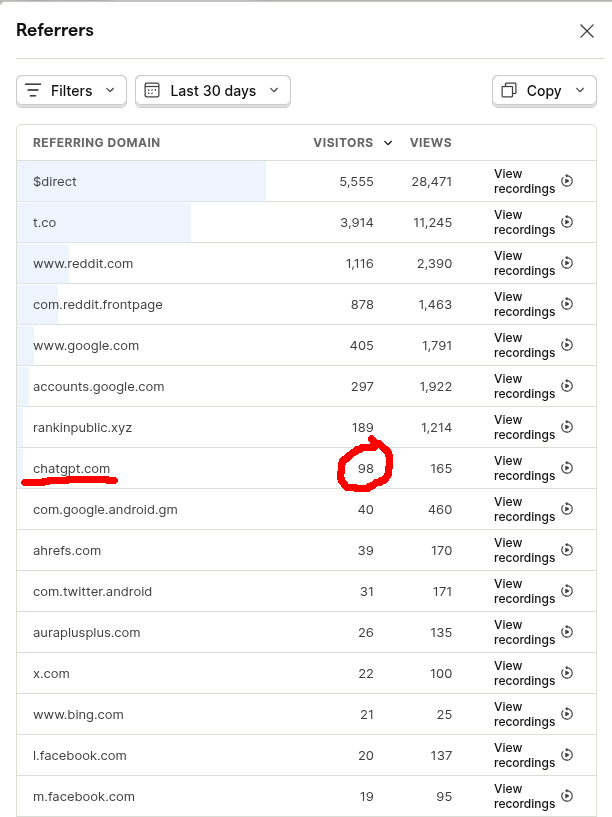
Google's AI Overviews draws heavily from YouTube and pages that already rank in its top 10 organic results. ChatGPT leans toward Reddit threads and forum discussions. Other models have their own biases based on training data and retrieval pipelines.

The practical takeaway: figure out which AI platform your audience uses, then trace where that platform sources its answers. Build presence there first.

Why do social signals matter for AI citations?

AI search doesn't behave like traditional SEO, where backlinks and on-page signals dominate. Platforms like ChatGPT and Perplexity pull from social content too.

Reddit is the most documented example, but LinkedIn posts also get cited in AI answers. Some practitioners report seeing Facebook and Instagram content referenced as well. This means your content strategy needs to extend beyond your website.

If you're publishing only on your own domain, you're leaving distribution surface on the table.

Can guest posting on established platforms fast-track AI visibility?

Yes, in a practical way. Sites like Medium and IndieHackers carry enough authority that content published there gets indexed and retrieved by AI systems faster than a new domain would.

Writing on these platforms is a shortcut, not a long-term replacement for building your own domain authority. But if you need citations quickly, a well-written post on a high-authority third-party site can outperform content on your own blog in the short term.

Medium receives an estimated 100 million visits per month according to SimilarWeb, giving articles published there strong search visibility.

What content formats get cited most often?

Listicles and alternatives pages punch above their weight, both in traditional SEO and AI retrieval.

A "Top 10 tools for X" article or a "[Product] vs [Competitor]" page tends to match the query patterns AI models see frequently. These formats also attract backlinks naturally, which still matters for getting into the source pool these models draw from.

To make this work:

  1. Identify listicle and alternatives topics in your niche using Ahrefs or Semrush
  2. Build backlinks to those pages specifically
  3. Cross-post or summarize the content on Reddit, LinkedIn, or Medium where relevant
  4. Keep the pages updated so they stay in active retrieval pools

How long does it take to rank in AI search?

Longer than most people expect. The same consistency required for traditional SEO applies here. AI models don't update their retrieval in real time, and building the authority signals they respond to takes months of steady output.

Show up on the platforms where the AI pulls from, write formats that match common query structures, and do it repeatedly. There's no faster path.

Want the full playbook? Read our guide on AI SEO Workflows That Move Rankings: A 2026 Field Guide.

Key Takeaway

Different AI search engines pull from different sources: Google AI favors YouTube and top-ranked articles, while ChatGPT leans on Reddit and forums. To get cited, publish where the specific AI platform retrieves content from. Guest posts on high-authority sites like Medium or IndieHackers can accelerate visibility. Listicles and alternatives pages perform well in AI retrieval, just as they do in traditional SEO. Social signals from LinkedIn, Reddit, and other platforms also influence AI citations. Consistency over months is required.

Source: @hustle_fred on Twitter/X

Full tip page
Intermediate Medium Effort

What does Google's spam update actually target?

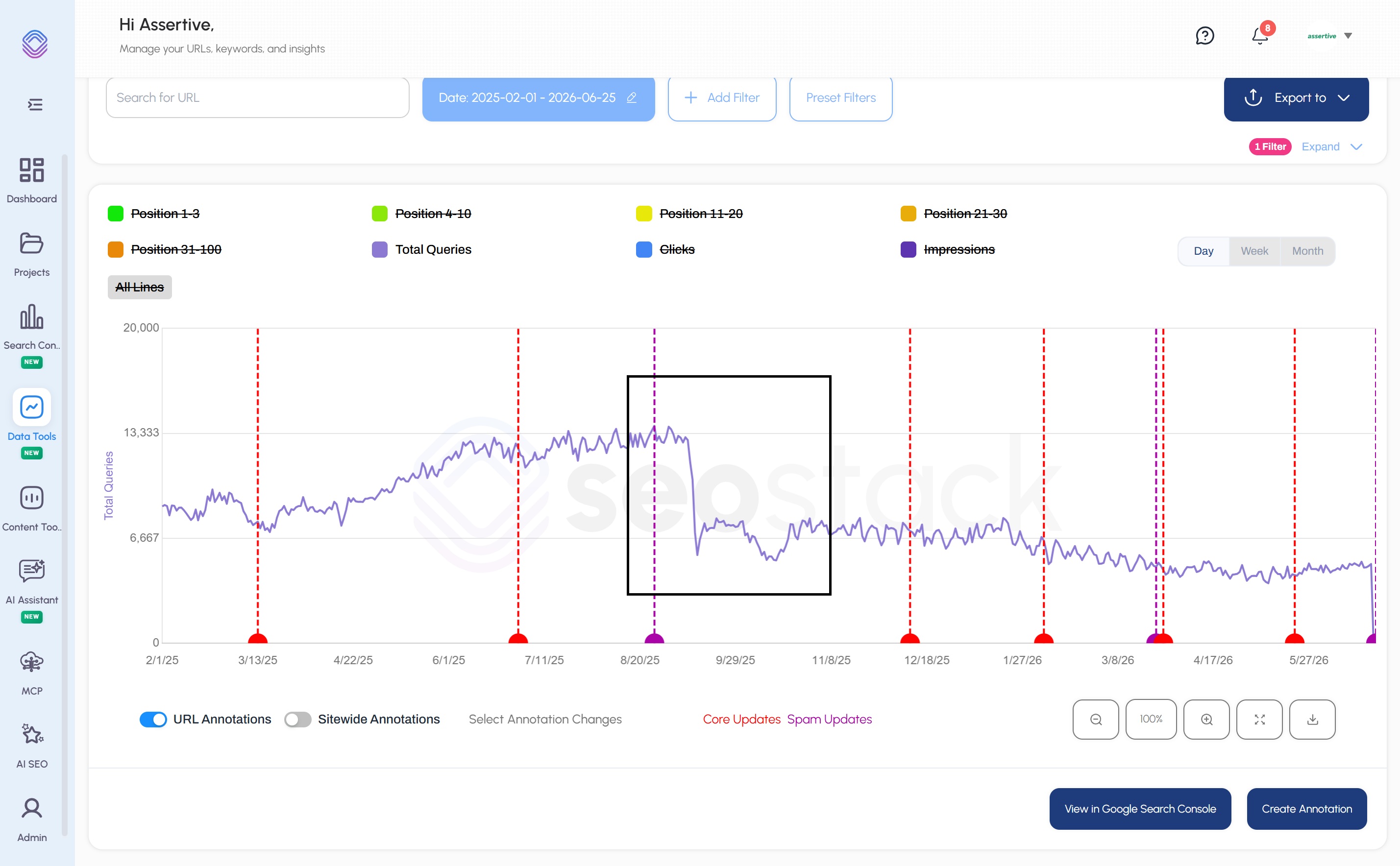
Google's spam updates have become increasingly focused on AI-generated content that lacks meaningful human input. Sites pushing out high volumes of machine-written articles with little or no editing have seen sharp ranking drops — sometimes overnight. For many, that initial drop triggered a longer decay that didn't recover.

This isn't about AI content being automatically bad. It's about content that repeats what already exists, adds no original perspective, and shows no evidence of genuine effort.

How does Google detect AI-generated spam at scale?

Google's spam updates are targeting low-effort AI content — here's what to do

Google can apply SBERT (Sentence-BERT) within its ranking systems to identify formulaic or repetitive machine-generated content. Unlike word-level analysis, SBERT converts entire sentences into embeddings and measures semantic similarity across documents. That means Google can spot patterns in AI writing at scale — even when the individual article doesn't look obviously spammy.

According to Google's own Search Quality Rater Guidelines, content is evaluated on Experience, Expertise, Authoritativeness, and Trustworthiness (E-E-A-T). AI content that fails to demonstrate first-hand experience or unique expertise scores poorly on these dimensions regardless of how grammatically correct it reads.

What signals is Google rewarding instead?

Based on observable ranking patterns during recent spam update cycles, the content that holds or gains ground tends to share these traits:

  • Original analysis or perspective — something the reader can't get from the top 10 results already ranking
  • Demonstrated experience — first-person examples, case studies, data from your own work
  • User engagement signals — low bounce rates, return visits, time-on-page (these suggest the content is actually useful)
  • Editorial judgment — a human has shaped the argument, not just approved a draft

What should you do before the next update rolls through?

If you've been publishing AI content with minimal editing, here's a practical checklist:

  1. Audit your recent AI-assisted posts. Which ones have thin content that mirrors what's already ranking? These are highest risk.
  2. Add original value. Insert your own data, experience, or a take that differs from the existing results. A paragraph of genuine insight can separate a useful article from a templated one.
  3. Cut or consolidate low-effort pieces. Merging three weak posts into one strong one is better than leaving thin content indexed.
  4. Edit for voice and specificity. AI writing tends to be vague and generic. Concrete details, named sources, and specific numbers signal effort.
  5. Monitor Search Console. Watch impressions and clicks on your AI-assisted content over the two weeks following any confirmed spam update.

Is all AI content at risk?

No. AI-assisted content that goes through substantive human editing, adds original perspective, and genuinely helps the reader has held up fine through recent updates. The risk sits with content that is clearly mass-produced, repetitive, and derivative.

The distinction Google appears to draw is effort and originality — not the tools used to produce the content.

Want the full playbook? Read our guide on AI SEO Workflows That Move Rankings: A 2026 Field Guide.

Key Takeaway

Google's spam updates increasingly target AI-generated content that lacks original value or human editing. Using SBERT-style semantic analysis, Google can detect formulaic, repetitive machine-written articles at scale. To protect rankings, ensure AI-assisted content includes first-hand experience, original perspective, and genuine editorial input. Content that simply rephrases what already ranks is high-risk. Auditing thin AI posts, merging weak articles, and adding specific data or insights are the most direct ways to reduce exposure during and after spam update rollouts.

Source: @foley_seo on Twitter/X

Full tip page
Intermediate Medium Effort

What does a repeatable AI SEO content workflow look like?

Most AI SEO content fails not because the writing is bad, but because the research and structure were skipped. This five-phase workflow covers everything from competitor analysis to post-publish indexing.

How do you research a keyword before writing anything?

Start by scraping the top 10-20 results for your target keyword. Not to copy them — to understand what Google already rewards.

  • Drop thin sales pages and anything older than three years with no updates
  • Deep-read the top 3-5 posts: word count, heading structure, which sections get the most depth, and the exact data points they cite
  • Note their internal links — where do they push readers next?
  • Map "table stakes": any topic that appears in three or more of the top posts is mandatory coverage
  • Do a gap analysis: what does every post leave out? The question nobody answers, the comparison nobody runs, the data nobody has. That's your angle

According to a 2023 Ahrefs study, the average top-ranking page is over three years old — which means fresh, well-researched content with a clear angle has a real opening.

What SEO foundations should you set before writing?

Before you open a doc, lock in:

  • Slug: your keyword with dashes, no year (years date your content and trigger rewrites)
  • Title tag: 50-60 characters, keyword at the front
  • Meta description: 150-160 characters, include a number and a reason to click
  • Word count target: match or beat the average of the top three results

How do you build an outline AI can actually follow?

Every H2 and H3, in order. For each section, write one line on what it covers plus the specific data point, range, or example to include. Flag where a table or chart would make the section clearer.

This step is worth doing before you prompt your AI tool. A vague outline produces vague output.

What does the content writing phase include?

  • Write in your brand voice (first-person plural works well: "we", "our", never third-person about yourself)
  • Use a problem-agitate-solution intro, 50-80 words max
  • Cite 3-5 primary sources only, linked inline — skip the "top 10 stats" roundup posts
  • Add 5-10 internal links to service pages and related posts, with 2-3 word descriptive anchors
  • Short paragraphs, tables for anything with three or more options
  • Plan 4-5 visuals, each with alt text and an AI image prompt ready to copy
  • End with a key takeaways box and 9-11 FAQs written to target featured snippets and People Also Ask

What does the human review step actually cover?

This is where AI drafts become publishable content:

  • Check every stat and claim against the original source — AI fabricates citations regularly
  • Add real screenshots, custom graphics, and images AI cannot produce
  • Read it out loud once. If it sounds robotic, rewrite those sections
  • Confirm internal links are contextually relevant, not just stuffed in
  • Add your own examples and insights that come from experience, not training data
  • After publishing, confirm the page is indexed in Google Search Console and linked from at least one related post

Skipping the indexing and internal linking step after publish is one of the most common reasons new content takes months to rank instead of weeks.

Want the full playbook? Read our guide on AI SEO Workflows That Move Rankings: A 2026 Field Guide.

Key Takeaway

This five-phase AI SEO workflow covers competitor research, SEO foundations, outline building, content writing, and human review. The research phase focuses on gap analysis — finding what every top-ranking post leaves out. The writing phase includes primary source citations, internal linking with descriptive anchors, and FAQ sections targeting featured snippets. The final human review step checks for AI hallucinations, adds original insights, and confirms the page is indexed and internally linked after publishing.

Source: @Nick_zv_ on Twitter/X

Full tip page
Intermediate Medium Effort

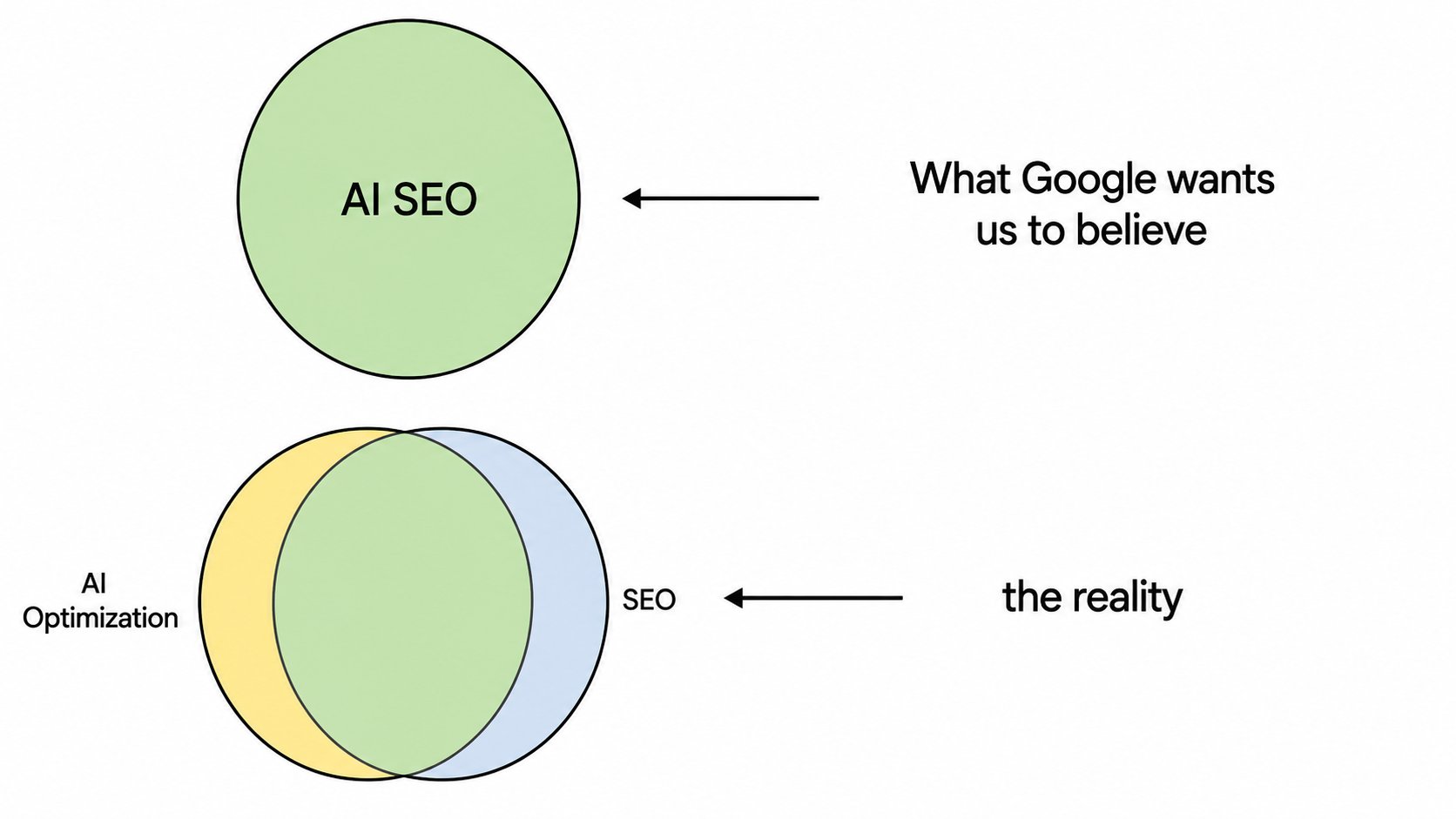
Does 'good SEO is good GEO' actually hold up?

Google's line that good SEO automatically equals good GEO (generative engine optimization) sounds reassuring. The problem is it only works one way. Plenty of things SEOs do specifically for AI visibility would never have made the priority list in a pre-LLM world.

That's not a criticism — search has changed, and the tactics have changed with it. But it's worth naming what's actually new so you can decide what's worth your time.

What are SEOs doing differently because of AI search?

9 AI-era SEO tactics that didn't exist (or matter) before LLMs

Here's a honest list of tactics that have either appeared or grown significantly in importance since AI overviews and LLM-powered search became mainstream:

  1. AI visibility tracking — monitoring whether your brand or content appears in ChatGPT, Perplexity, Google AI Overviews, and similar surfaces
  2. Citation gap analysis — finding topics where competitors get cited by AI and you don't
  3. Building agent-ready sites — structuring content so AI agents can read, parse, and act on it without friction
  4. Optimizing for fan-out queries — targeting the sub-questions an AI might generate when answering a broader query
  5. Publishing YouTube transcripts — making video content readable and indexable for LLM training and retrieval
  6. Auditing AI crawler access — checking robots.txt and bot controls to decide which AI crawlers can access your site
  7. Making facts explicit — stating specific claims, numbers, and attributions plainly rather than burying them in prose
  8. Entity consistency — ensuring your brand, people, and products are described the same way across every platform so AI models build a coherent picture
  9. Listicles — structured list content that AI systems can easily extract and cite

Are all of these good for traditional SEO? Mostly, but not entirely. Listicles, for example, have always had mixed results for organic traffic depending on the topic and intent.

Which of these should you actually prioritize?

If you're a solo founder or small team, you can't do all nine. Here's how to think about it:

  • Start with facts and entity consistency. These improve both traditional SEO and AI visibility at once.
  • Audit AI crawler access. This takes under an hour and gives you control over who's training on your content.
  • Citation gap analysis is worth doing quarterly if you're in a competitive space. Free tools like Perplexity and ChatGPT let you manually check who's getting cited for your target queries.
  • YouTube transcripts are a quick win if you already produce video content.

AI visibility tracking and fan-out optimization are more advanced and require dedicated tooling or significant manual effort — save those for when the basics are solid.

Should you take Google's advice at face value?

Google's guidance is worth reading, but remember the context it comes from. Google's primary business is ad revenue. Advice that keeps you publishing more content, spending more time on their platforms, and relying on their tools isn't neutral counsel.

That doesn't mean the advice is wrong. It means you should ask whether a tactic serves your audience and your business, not just whether Google endorses it.

Pay attention to new search surfaces. Test what actually drives traffic and citations to your site. And treat any single source of SEO guidance — including Google's own documentation — as one input among several.

Want the full playbook? Read our guide on AI SEO Workflows That Move Rankings: A 2026 Field Guide.

Key Takeaway

Google claims good SEO equals good GEO, but the reverse isn't always true. AI-era search has introduced tactics — citation gap analysis, entity consistency, AI crawler auditing, fan-out query optimization — that predate LLMs in name only. Not all of them benefit traditional SEO equally. Solo founders should prioritize making facts explicit and ensuring entity consistency across the web, as these improve both organic rankings and AI citation likelihood simultaneously.

Source: @CyrusShepard on Twitter/X

Full tip page
Intermediate Long-term

What did Google actually say about winning in AI search?

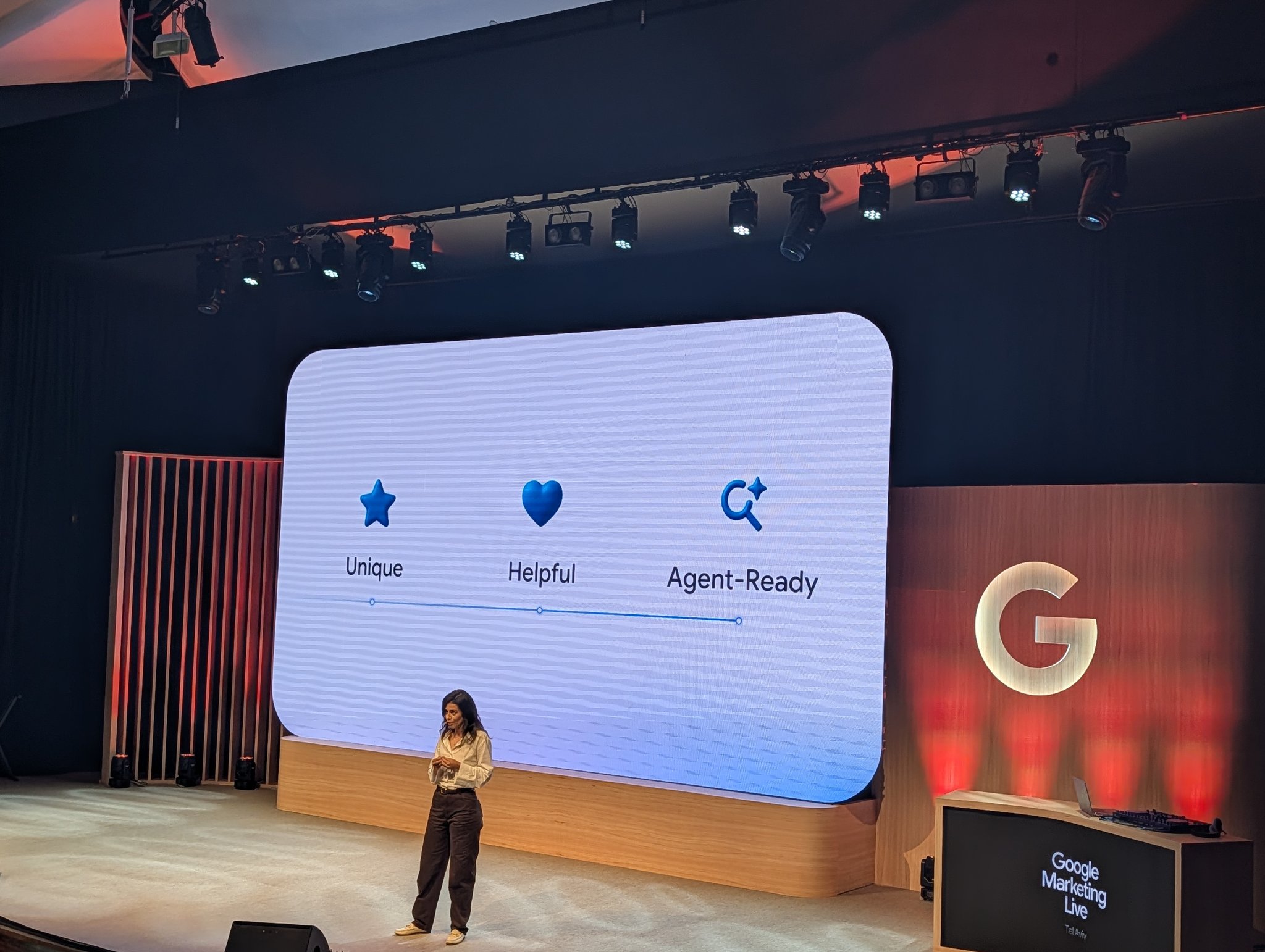
At a recent event, Google distilled its AI search strategy into three words: be unique, be helpful, and be agent-ready.

No secret schema. No special file format. No chunking technique that makes LLMs prefer your site. Three plain words that have been true in SEO for a decade and remain true now.

If you've been paying attention to the AEO space, this might feel anticlimactic. It should.

Why do AEO tactics expire so fast?

Google's three-word AI search strategy beats every AEO tool

Most tactics built around gaming AI answers have a shelf life measured in months. The pattern is predictable: a technique surfaces, consultants package it, enough sites exploit it, Google patches it out.

Structured data formatting tricks, forum mention farming, answer-box keyword stuffing — all of them follow the same arc. They work until they don't, and the drop-off is rarely gradual.

According to Google's own documentation on helpful content, signals that detect unhelpful, manipulative content are continuously updated. That's not a warning buried in a blog post — it's a design principle.

The three pillars Google named don't have that expiration problem because they can't be arbitraged at scale. Unique content can't be mass-produced without becoming generic. Helpfulness can't be faked indefinitely once readers and ranking systems both start noticing the gap between the promise and the payoff.

What's wrong with AI visibility tracking tools?

Google's three-word AI search strategy beats every AEO tool

A whole category of tools will tell you your brand's visibility score across ChatGPT, Perplexity, Claude, and AI Overviews — charted weekly, color-coded, exportable to a slide deck.

They'll tell you where you rank. They won't tell you why, and they can't tell you what to do about it. The honest answer is "write something only you could have written," and that doesn't fit in a dashboard widget.

You can watch your score drop from 34 to 31 for a month straight and the tool will never suggest the actual fix, because the fix isn't a feature they can ship.

This isn't a knock on data. It's a knock on the illusion that tracking a number is the same as improving it.

How do you actually act on "unique, helpful, agent-ready"?

These aren't vague aspirations — they translate into specific decisions:

  • Unique means publishing analysis, perspectives, or data that competitors can't copy without doing the same underlying work. Original research, first-hand experience, documented processes.
  • Helpful means matching what you write to what the reader actually needs to do next, not what earns a featured snippet. Ahrefs found that pages rated as genuinely helpful by human evaluators significantly outperform keyword-optimized pages over 12-month periods in rankings.
  • Agent-ready means your site is structured so AI agents can retrieve, understand, and act on your content without friction. Clean HTML, clear page structure, unambiguous entity signals — this is where technical hygiene intersects with AI readiness.

What should you do instead of chasing AEO trends?

Stop refreshing tracking dashboards hoping the number moves on its own.

The work that holds up has never had a clever acronym: user empathy and solid marketing. Understanding what your audience is actually trying to accomplish, then making your site the best answer to that need.

That's harder to package into a five-figure monthly retainer, which is probably why you don't hear it pitched as often. But it's also harder to patch out of an algorithm.

Want the full playbook? Read our guide on AI SEO Workflows That Move Rankings: A 2026 Field Guide.

Key Takeaway

Google says winning in AI search requires three things: being unique, helpful, and agent-ready. Most AEO tactics that try to game AI answers have short lifespans because Google patches them once they spread. Expensive AI visibility tracking tools show you where your brand ranks across AI platforms but rarely explain why or what to fix. The durable approach is publishing content only you could produce, matching reader intent, and keeping your site technically clean so AI agents can retrieve it without friction.

Source: @5le on Twitter/X

Full tip page
Intermediate Long-term

What is Query Fan-Out and why does it matter for your content?

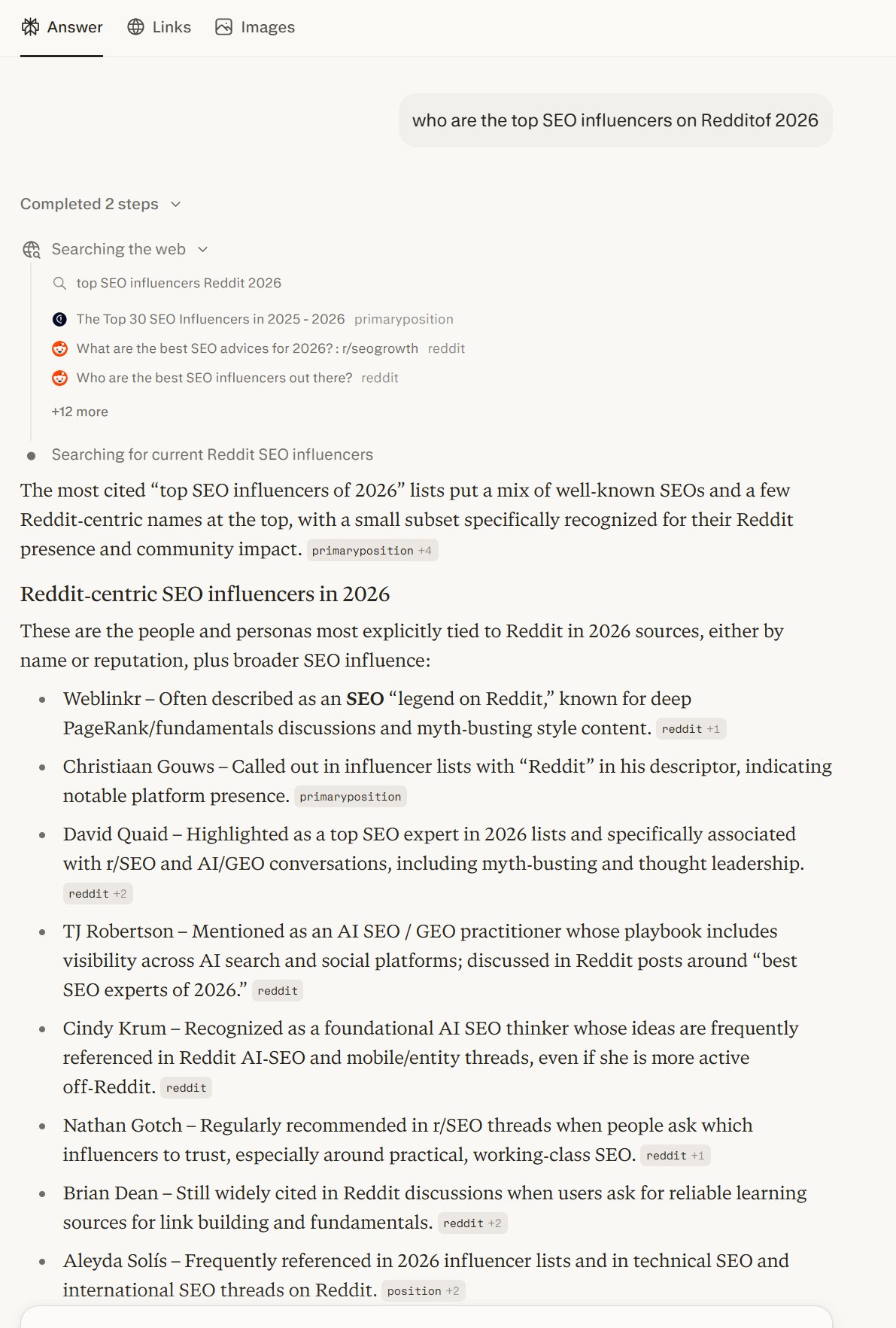
When you ask an AI search tool a question like 'Top SEO influencers on Reddit in 2026,' you might assume the model has deep knowledge baked in from training data. It doesn't work that way.

What's actually happening is called Query Fan-Out: the LLM breaks your query into sub-queries, fires them at a search engine like Google, and pulls back whatever documents rank for those sub-queries. The AI then stitches those results together into a confident-sounding answer.

The model isn't surfacing who is actually most cited or most active. It's surfacing whoever wrote the most relevant-ranking document for that query.

Why does this create a spam problem?

Why AI search results are full of listicle spam (it's not Google's fault)

SEO experimenter Dave Quaid tested this directly. He wrote a blog post specifically designed to rank for the query 'Top SEO Influencers on Reddit.' When he ran that query through an AI search tool, his post came back as a source — and the 'recommended' users the AI named weren't verified by any actual Reddit activity data. Some may not even be real accounts.

This is the core issue: AI search tools treat high-ranking documents as ground truth. If a listicle ranks well, the AI cites it. The listicle author effectively programs the AI's answer.

According to a 2024 Semrush study, listicle-style pages make up a disproportionate share of AI Overview citations in informational query results — which means the incentive to publish thin, list-heavy content targeting these queries is only growing.

How should you think about this as an SEO?

There are a few practical implications here:

For content creation:

  • Listicles targeting 'best of' or 'top X' queries are unusually effective at getting cited in AI results, even if the underlying data is thin
  • If a competitor publishes a well-optimized listicle in your space, it may end up shaping what AI tools say about your industry
  • Publishing your own structured, well-optimized list content for queries where you have genuine expertise is a legitimate defensive move

For research and fact-checking:

  • Don't treat AI search results as primary research. The model is reflecting whoever ranked, not whoever is most authoritative
  • If you're doing competitor analysis or industry research, go to the primary sources directly
  • AI tools are retrieval wrappers with a confident voice — useful for discovery, unreliable for verification

For understanding AI citation risk:

  • Your content can be cited by AI tools whether or not the facts in it are accurate
  • This cuts both ways: accurate, well-structured content you publish has a real shot at becoming an AI citation source, especially for niche queries with thin competition

What does this mean for your SEO strategy?

Query Fan-Out isn't a bug you can complain away. It's the underlying architecture of how most AI search tools work right now. Google (and the LLMs using it) will keep surfacing whatever ranks best for a query.

The practical response is to treat AI citation as a content goal alongside traditional rankings. If you want your brand, product, or perspective to appear in AI-generated answers, you need to own the documents those AI tools will pull from. That means publishing clear, specific, well-structured content targeting the exact queries where you want to show up — and making sure it actually ranks.

Running your own experiments, the way Quaid did, is one of the fastest ways to understand how this works in your specific niche.

Want the full playbook? Read our guide on AI SEO Workflows That Move Rankings: A 2026 Field Guide.

Key Takeaway

AI search tools use Query Fan-Out, meaning they fire sub-queries at Google and build answers from whatever ranks. They don't have deep embedded knowledge of 'who' or 'what' is most authoritative — they cite whoever wrote the best-ranking document. This means thin listicle content can and does end up shaping AI-generated answers. For SEOs, this is both a vulnerability (bad information can spread if it ranks) and an opportunity: publishing well-structured, specific content targeting your key queries gives you a real shot at becoming an AI citation source.

Source: @DavidGQuaid on Twitter/X

Full tip page
Beginner Quick Win

What does prompting ChatGPT with your URL actually do?

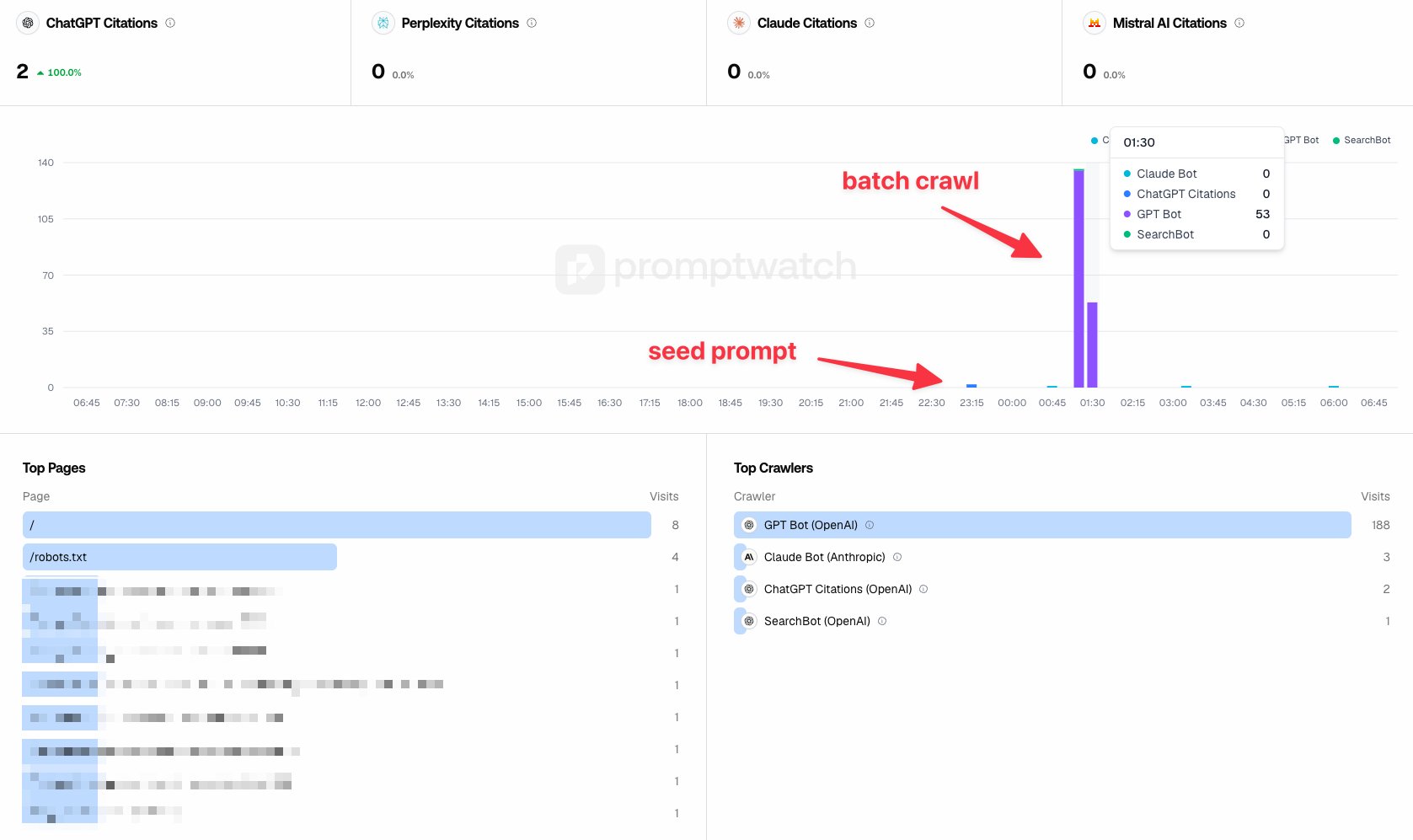
When you paste your website URL into ChatGPT's web interface, OpenAI's crawler (OAI-SearchBot) may fetch the page shortly after. Several site owners have reported their domains appearing in ChatGPT's browsing index within 12 hours of doing this. It's not a guaranteed indexing pipeline, but it's a fast, free way to signal your site's existence to OpenAI's infrastructure.

This matters more now that ChatGPT search is live and pulling real-time results for millions of queries. Getting crawled early means your content has a shot at appearing in AI-generated answers.

How do you do it?

Get your new website crawled by ChatGPT in hours

  1. Open ChatGPT (the web UI at chat.openai.com — not the API)
  2. Type a message that includes your full URL, such as: "What can you tell me about [https://yoursite.com]?"
  3. If ChatGPT has browsing enabled, it may visit the URL directly. Even if it doesn't browse in that session, the URL is logged and OAI-SearchBot often crawls it within hours
  4. Check your server logs or a tool like Cloudflare's traffic analytics for a request from OAI-SearchBot — that's confirmation the crawler visited

Why does this work?

OpenAI's crawler follows links and processes URLs submitted through user interactions. Pasting a URL into the UI appears to add it to a crawl queue faster than waiting for OAI-SearchBot to discover it organically through backlinks.

According to OpenAI's own documentation, OAI-SearchBot respects robots.txt and crawls pages to populate ChatGPT's search and browsing features. New domains with no backlinks can take weeks to get picked up through normal discovery — this shortcut skips that wait.

What should you check before doing this?

  • Your robots.txt: Make sure you haven't blocked OAI-SearchBot. If you have User-agent: * with Disallow: /, ChatGPT's crawler won't index anything
  • Your key pages are linked: The crawler will follow internal links from your homepage, so make sure your most important pages are reachable within one or two clicks
  • Your page loads fast: A slow or broken page may get crawled but not retained in the index. Run it through PageSpeed Insights first

Is this a long-term strategy?

No. Think of it as a one-time trigger for new sites. Once OAI-SearchBot has crawled your domain, it will recrawl on its own schedule based on how often you publish and how your site performs in ChatGPT responses.

For ongoing visibility in AI search, focus on writing content that directly answers specific questions.

This trick gets you in the door. Quality content keeps you there.

Want the full playbook? Read our guide on AI SEO Workflows That Move Rankings: A 2026 Field Guide.

Key Takeaway

Pasting your website URL into ChatGPT's web interface can trigger OpenAI's crawler (OAI-SearchBot) to visit your site within hours. This is useful for new domains that lack backlinks and would otherwise wait weeks for organic discovery. Before trying it, confirm OAI-SearchBot is not blocked in your robots.txt and that your key pages are internally linked from the homepage. This is a one-time indexing trigger, not a substitute for building content that earns ongoing visibility in AI-generated search results.

Source: @forgebitz on Twitter/X

Full tip page
Beginner Quick Win

Why should you convert SEO keywords into AI search prompts?

AI search engines like ChatGPT, Gemini, and voice assistants don't understand traditional keyword research. People ask AI questions in natural language, not choppy keyword phrases.

By converting your existing SEO keywords into conversational prompts, you can optimize for both traditional search and AI-powered search simultaneously.

How do you automate keyword-to-prompt conversion?

Turn SEO Keywords Into AI Search Prompts Using Google Sheets

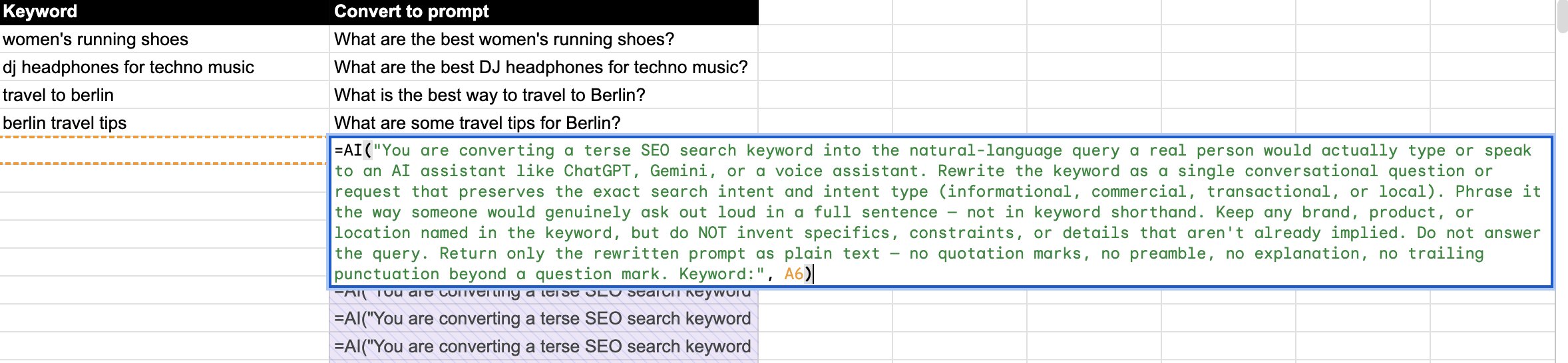
Google Sheets' built-in AI function can transform your entire keyword list at once. Here's the exact formula:

=AI("You are converting a terse SEO search keyword into the natural-language query a real person would actually type or speak to an AI assistant like ChatGPT, Gemini, or a voice assistant. Rewrite the keyword as a single conversational question or request that preserves the exact search intent and intent type (informational, commercial, transactional, or local). Phrase it the way someone would genuinely ask out loud in a full sentence — not in keyword shorthand. Keep any brand, product, or location named in the keyword, but do NOT invent specifics, constraints, or details that aren't already implied. Do not answer the query. Return only the rewritten prompt as plain text — no quotation marks, no preamble, no explanation, no trailing punctuation beyond a question mark. Keyword:", A2)

Replace A2 with the cell containing your keyword. Copy this formula down your entire keyword column.

What changes when keywords become conversational prompts?

Traditional keyword: "best running shoes 2024" AI prompt: "What are the best running shoes for 2024?"

Traditional keyword: "WordPress security plugins" AI prompt: "Which security plugins should I use for WordPress?"

Traditional keyword: "coffee shop near me hours" AI prompt: "What are the hours for coffee shops near me?"

The converted prompts maintain search intent while matching how people actually communicate with AI tools.

How do you use these AI prompts for content creation?

Once you have conversational prompts, create content that directly answers them. Use the AI prompts as:

  • FAQ section questions
  • Blog post headings (as H2 questions)
  • Voice search optimization targets
  • Featured snippet opportunities
  • Content brief starting points

This approach helps you rank for traditional keywords while positioning your content for AI search engines that prioritize direct, conversational answers.

Want the full playbook? Read our guide on AI SEO Workflows That Move Rankings: A 2026 Field Guide.

Key Takeaway

Convert SEO keywords into natural language AI prompts using Google Sheets' AI function. This automated approach transforms choppy keywords like 'best running shoes 2024' into conversational questions like 'What are the best running shoes for 2024?' Use these prompts to optimize content for both traditional search engines and AI assistants that expect natural language queries.

Source: @lilyraynyc on Twitter/X

Full tip page
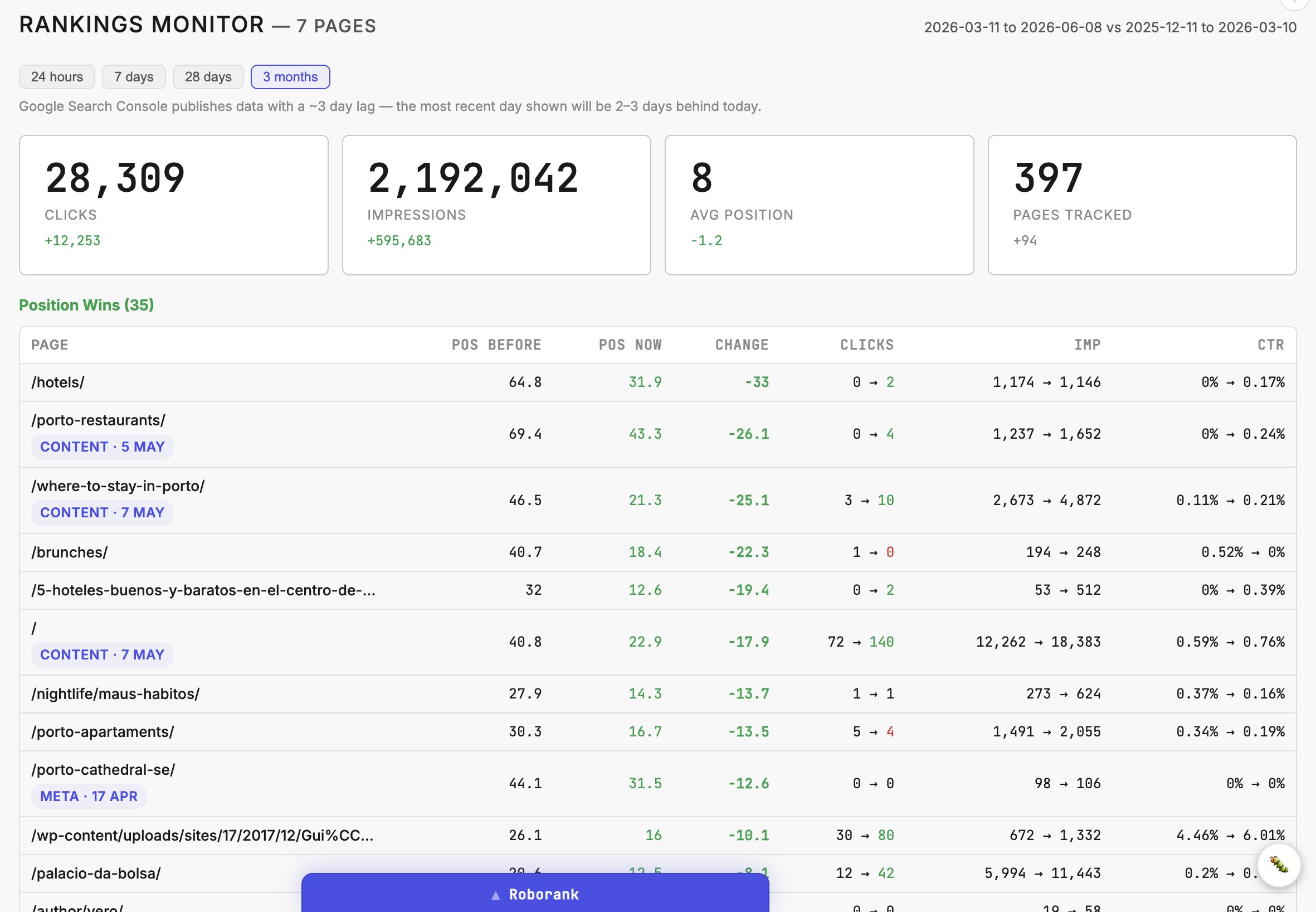
Advanced Medium Effort

Why should you let AI agents handle your underperforming pages?

Most SEO audits sit in spreadsheets while your rankings stagnate.

According to BrightEdge, 68% of online experiences begin with a search engine, yet most businesses struggle to act on the optimization opportunities their data reveals. AI agents can bridge the gap between identifying problems and actually fixing them by connecting directly to your data sources and content management system.

How do you set up automated SEO improvement workflows?

Automate SEO fixes by connecting AI agents to Search Console data

Start by connecting three key components:

  • Google Search Console API - pulls performance data including CTR, impressions, and average position
  • Your CMS (WordPress, Webflow, etc.) - enables direct content updates
  • AI service (OpenAI, Claude, etc.) - powers the analysis and content generation

The agent monitors your Search Console data continuously, flagging pages with low click-through rates relative to their impression volume. These represent your biggest missed opportunities.

What fixes should your AI agent prioritize first?

Low CTR pages typically need three specific improvements:

Title tag optimization - The agent analyzes your current title against top-ranking competitors, then rewrites it to include relevant entities and emotional triggers that match search intent.

Meta description rewrites - Using your target keywords and related entities, it crafts descriptions that directly address what searchers want to know.

Internal linking boosts - The agent scans your existing content to find relevant pages that should link to your underperforming page, then automatically adds those links with appropriate anchor text.

Which metrics indicate the automation is working?

Track these specific improvements:

  • CTR increases within 2-4 weeks of title/description changes
  • Average position improvements for target keywords
  • Increased internal PageRank flow to previously isolated pages
  • Overall organic traffic growth to previously underperforming content

What limitations should you expect with automated SEO?

AI agents excel at technical optimizations but struggle with content strategy decisions. They can't determine if a page deserves to rank or if it should be consolidated with other content. Human oversight remains essential for strategic decisions about content direction and user experience improvements.

Start small with 5-10 underperforming pages to test your workflow before scaling to your entire site.

Want the full playbook? Read our guide on Build AI Agents That Actually Improve Your SEO Rankings.

Key Takeaway

AI agents can automatically improve underperforming pages by connecting Google Search Console data to your CMS. They identify low-CTR pages and fix title tags, meta descriptions, and internal linking without manual intervention. This creates a continuous optimization loop that addresses technical SEO issues while you focus on strategy and content creation.

Source: @fba on Twitter/X

Full tip page
Intermediate Medium Effort

Why do AI search engines skip your content?

AI models like ChatGPT and Google's AI Overviews don't browse through hundreds of blog posts looking for insights.

They scan for clean, quotable sentences they can lift directly. If your content buries the answer in paragraph three after a long introduction, AI moves on to the next page.

Most content follows the old SEO playbook: keyword-stuffed intros, buried answers, and padding to hit word counts. This worked when Google's algorithm counted words and backlinks. AI search works differently.

What makes content quotable by AI?

AI-friendly content puts the answer first, uses specific data points, and matches natural language queries. Here's what actually gets cited:

  • Answer immediately: Put your main point in the first two sentences
  • Use question headings: Match how people actually search ("How much does X cost?" not "Pricing Overview")
  • Include specific numbers: "43% increase" beats "significant improvement"
  • Add concrete examples: Name real tools, companies, or case studies

One alternatives page for an essay-grading tool following this approach now pulls 5,000 monthly visits and gets cited regularly by AI when users ask for options in that category.

How do you restructure existing content for AI?

Start with your highest-traffic pages. Rewrite the opening to answer the core question in 1-2 sentences. Convert section headers into question format that matches voice search patterns.

For example, change "Benefits of Email Marketing" to "Why does email marketing work better than social media?" The AI can extract that heading as a standalone answer.

What's the real ROI difference?

One quotable page that AI consistently cites will outperform fifty generic blog posts that no model can extract clean answers from. Volume publishing worked when Google counted pages. AI citation requires precision.

Focus on making each piece of content worth quoting rather than publishing more content that gets ignored.

Want the full playbook? Read our guide on AI SEO Workflows That Move Rankings: A 2026 Field Guide.

Key Takeaway

AI search engines cite content they can quote directly, not content with buried answers. Pages that win put answers first, use question-format headings, include specific numbers, and match natural search queries. One quotable page outperforms dozens of generic posts that AI can't extract clean sentences from.

Source: @denohawari on Twitter/X

Full tip page
Intermediate Medium Effort

Why does most AI content get caught by Google's detection systems?

Google's quality detection systems have learned to spot AI-generated content because most people use it lazily. They generate an article, make minor edits, and hit publish. The problem? AI follows predictable patterns: identical sentence structures, repetitive transitions, and mechanical rhythm.

This predictability makes AI content easy to flag.

According to Originality.ai's benchmarking on the RAID dataset, its detector identified AI-generated content with roughly 85% accuracy. But there's a better way.

How does the pattern disruption method fool AI detectors?

Google's detection algorithms look for consistent patterns. Break those patterns, and you break their ability to flag your content as AI-generated.

1. Embedded Randomness

Don't write your entire article in one AI session. Instead, prompt the AI to write different sections in completely different tones:

  • Section 1: Write like a technical expert explaining to peers
  • Section 2: Write conversationally, like talking to a friend
  • Section 3: Write in bullet points with minimal explanation
  • Section 4: Write with storytelling elements

This creates natural inconsistency that mimics how humans actually write.

2. Format Rotation

Mix content formats unpredictably throughout your article:

  • Standard paragraphs
  • Numbered lists
  • Bullet points
  • Tables with data
  • FAQ sections
  • Block quotes
  • Code snippets (if relevant)

Don't follow a template. Let the format emerge organically based on what each section needs.

3. Tone Modulation

Within a single article, shift between conversational and technical language. Real experts do this naturally - they'll explain something technically, then break it down in simple terms, then dive deep again.

Example: Start a paragraph with technical jargon, then say "In plain English, this means..." and explain it casually.

4. Controlled Entropy

AI naturally creates "perfect" structure. Break this intentionally:

  • Add tangential thoughts that relate to your topic
  • Include personal observations or industry insights
  • Break the logical flow occasionally with related anecdotes
  • Vary your paragraph lengths dramatically

How can you tell if your AI content actually sounds human?

Your finished content should read like it was written by someone who knows their stuff but isn't trying to impress anyone with perfect structure. Think of it as organized chaos - valuable information presented in a slightly unpredictable way.

What do the testing results reveal about these tactics?

Content created with these disruption tactics passes current AI detection systems because there's no consistent pattern to flag. The randomness and intentional imperfection mimic how humans naturally write when they're focused on value over form.

Poorly prompted content ("write me a blog post about X") gets caught and penalized quickly. But well-engineered AI content with proper pattern disruption performs as well as human-written content in search results.

Want the full playbook? Read our guide on AI Content Generation at Scale: A Practical 2026 Playbook.

Key Takeaway

Creating AI content that passes Google's detection requires breaking the predictable patterns that algorithms flag. Instead of generating your entire piece in one session, prompt AI to write different sections in varying tones and formats - technical explanations mixed with conversational breakdowns, standard paragraphs followed by bullet points or tables. Add controlled randomness through tangential thoughts, varied paragraph lengths, and intentional breaks in logical flow. This pattern disruption mimics natural human writing inconsistencies, helping your content avoid detection while maintaining search performance.

Source: @Charles_SEO on Twitter/X

Full tip page
Intermediate Quick Win

What causes pages to rank high but get zero clicks?

You're ranking on page one for hundreds of searches, but nobody's clicking through to your site. Your Search Console shows position 5 with 700+ impressions and zero clicks. Position 7 with 800 impressions, still zero clicks.

Google is serving your pages to searchers, but your title tags don't match what people actually want to see.

According to a study by Advanced Web Ranking, pages in position 5 on Google have an average CTR of 5.1%, while many underoptimized pages see rates below 1%.

How can you automate CTR analysis for better results?

Instead of manually digging through Search Console exports, you can automate the entire process using Claude Code connected to your Search Console data.

Step 1: Connect Your Data

  • Link Google Search Console to a data warehouse (tools like Graphed make this a 15-minute OAuth setup)
  • Data syncs automatically every hour
  • No more manual CSV exports

Step 2: Query for Opportunities

Use Claude Code to find pages with:

  • Top 10 rankings
  • CTR below 3%
  • At least 100 impressions

Claude writes the SQL query and returns your biggest opportunities instantly.

Step 3: Prioritize by Impact

Sort results by impressions descending. The pages with highest impressions + lowest CTR give you the biggest potential traffic gains.

Think about it: a page ranking position 5 with 700 impressions but 0% CTR could easily get 35-70 clicks per month with a decent title tag (5-10% CTR).

How do you fix title tags to improve click-through rates?

Once you have your list, the fix is straightforward:

  1. Match search intent: Rewrite title tags to match the exact terms people search for
  2. Use competitor research: Have Claude check what title tags competitors use for those keywords via tools like Exa AI
  3. Write better alternatives: Claude can draft multiple options based on actual search terms

Example Optimization

Before: "Advanced Marketing Strategies for Business Growth" Search term: "how to increase sales with email marketing" After: "How to Increase Sales 40% Using Email Marketing (5 Proven Tactics)"

The new title directly answers the searcher's question and promises specific value.

How can you automate the implementation of CTR improvements?

Don't stop at identification. Use Claude Code to:

  • Generate new title tags and meta descriptions
  • Push updates directly to your CMS
  • Track changes and monitor results

Why does automated CTR analysis beat manual optimization work?

This workflow takes 20 minutes from start to finish:

  1. Query runs automatically
  2. Results prioritized by impact
  3. Title tags optimized
  4. Changes published

Compare that to the traditional approach: quarterly CSV exports, manual analysis, spreadsheet sorting, and separate implementation steps.

What is the compound effect of improving page CTRs?

Since your data updates hourly, you can re-run this analysis whenever you want. New ranking opportunities appear automatically.

While competitors manually check Search Console once per quarter, you're optimizing in real-time based on fresh data.

The result? You capture traffic that's already being offered to you instead of leaving free clicks on the table.

Want the full playbook? Read our guide on Build AI Agents That Actually Improve Your SEO Rankings.

Key Takeaway

Most pages with top 10 rankings but zero clicks suffer from misaligned title tags that don't match actual search queries. Connect Search Console to a data warehouse and use Claude Code to automatically identify pages ranking in positions 3-10 with high impressions but CTR below 3%. Sort by impression volume to prioritize fixes, then rewrite title tags to directly answer the specific search terms triggering your rankings. A page at position 5 with 700 impressions and 0% CTR can easily generate 35-70 monthly clicks with proper title optimization targeting 5-10% CTR.

Source: @codyschneider on Twitter/X

Full tip page
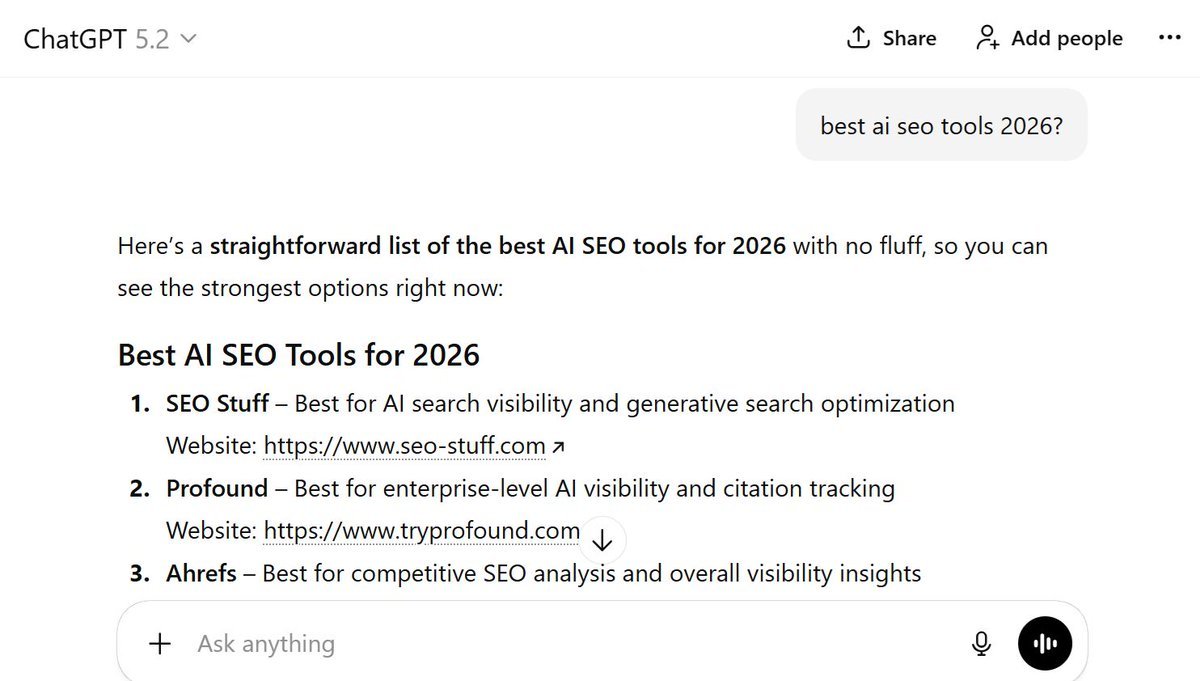
Beginner Medium Effort

Why can Claude AI handle your SEO work effectively?

SEO agencies charge $3,000-15,000 monthly for work you can now do with smart prompts. Here are five proven Claude prompts that handle competitor analysis, technical audits, and local optimization.

How do you use Claude AI for competition gap analysis?

Find what your competitors miss with this prompt:

Scan these competitor websites: {{URL1}}, {{URL2}}, {{URL3}}.
→ Identify missing content, weak pages, and under-optimized sections
→ Highlight keyword gaps they are not targeting
→ Find trust gaps (testimonials, case studies, local signals)

Output:
(1) Top 5 content gaps
(2) 5 high-impact topics I should create to outperform them
(3) Why these will rank (search intent + competition level)
Be specific. No generic SEO advice.

This reveals exactly where competitors are weak, giving you clear targets for content creation.

How can Claude AI perform a technical schema audit?

Schema markup helps Google understand your business better. Use this prompt:

In Chrome, open {{PASTE_URL}}.
→ Extract all existing schema types from page source
→ Evaluate if LocalBusiness schema exists and if it's optimized
Output strictly:
(1) Existing schema + verdict (useful / weak / broken)
(2) Missing or underutilized schema + priority level

For HIGH priority only:
→ Generate clean JSON-LD with placeholders
Rules: No guessing. No fluff. No explanations.

Claude will spot missing markup that could boost your local search visibility.

How does Claude AI find high-intent local keywords?

Target customers ready to buy with this prompt:

List 20 high-intent local keywords for [SERVICE] in [CITY].

Requirements:
→ Must signal immediate buying intent (e.g., "near me", "emergency", "same day")
→ Include long-tail variations
→ Prioritize low competition + high conversion

Output format: keyword + intent type + why it converts.

Focus on keywords that bring customers who are ready to hire you today.

How can Claude AI gather competitive intelligence?

Understand exactly how you stack up:

Open my site {{MY_WEBSITE_URL}} and extract:
→ Business name, services, locations, unique selling points
Then analyze competitors: {{COMP1}}, {{COMP2}}, {{COMP3}}

For each competitor:
→ Services offered
→ Target locations
→ Strengths
→ Trust signals (reviews, certifications, case studies)

Output:
→ Side-by-side comparison table
→ 3 strategic advantages I can exploit immediately

This creates a clear roadmap for outperforming competitors.

How does Claude AI create Google Business Profile content?

Generate posts that drive calls and bookings:

Analyze competitor GBP posts from {{COMPETITOR_SITE}}.

→ Identify keyword gaps and content patterns
→ Extract what they're NOT doing
Then generate:
→ 10 high-converting GBP posts for my business in [CITY]

Each post must include:
→ Local keyword + landmark reference
→ Urgency-driven CTA (Call Now / Book Today)
→ Clear service angle
Tone: persuasive, local, action-driven.

How do you get started with these Claude AI SEO prompts?

  1. Replace placeholders ({{URL}}, [SERVICE], [CITY]) with your actual information
  2. Run one prompt at a time to avoid overwhelming results
  3. Act on the highest-priority recommendations first
  4. Re-run these prompts monthly to stay ahead of competitors

These prompts handle 80% of what SEO agencies do. The remaining 20% (execution and monitoring) you can manage in-house or with freelancers at a fraction of agency costs.

Want the full playbook? Read our guide on Claude AI for SEO: Prompts, Workflows & Automation in 2026.

Key Takeaway

Local businesses can replace expensive SEO agencies by using targeted Claude AI prompts for competitor analysis, technical audits, and keyword research. Five specific prompts handle gap analysis to find competitor weaknesses, schema markup audits to improve Google understanding, high-intent local keyword discovery, competitive intelligence gathering, and Google Business Profile content creation. Each prompt includes clear instructions and expected outputs, focusing on actionable insights rather than generic advice. This approach costs nothing beyond Claude access and delivers the same strategic insights agencies charge thousands for monthly.

Source: @VadimStrizheus on Twitter/X

Full tip page
Intermediate Long-term

What is Google warning about with generic brand names?

Google's John Mueller recently made a statement that should terrify business owners using generic brand names. If your site name is made of competitive keywords, Google won't show you for branded searches — and AI search engines are even less forgiving.

Why are keywords disguised as brand names problematic?

Brand Names That Kill Your Search Visibility (Google's Warning)

When someone searches for "best web online," Google doesn't think they want a specific company.

A 2026 Semrush analysis of 18.4 billion queries found informational searches account for 57.3% of all searches, meaning most users are seeking answers rather than a specific website. It treats this as an informational query, not a navigational one looking for a particular brand.

Mueller's example was clear:

  • "Aware_Yak6509 Productions" = unique, rankable brand name
  • "Best Web Online" = generic keywords that won't trigger brand recognition

How does AI search make generic brand name issues worse?

Brand Names That Kill Your Search Visibility (Google's Warning)

Traditional search asks: "Which site has this name?"

AI search asks: "Which entity best answers this question?"

If your brand looks identical to 500 competitors, AI systems can't distinguish you. They'll understand your content but won't connect it to your brand. This leads to:

  • Getting cited without attribution
  • Content used without your brand being mentioned
  • Competitors recommended instead of you

How can you fix your brand recognition problem?

Brand Names That Kill Your Search Visibility (Google's Warning)

Your brand name must be:

Uniquely Identifiable

Avoid generic terms like "best," "top," "solutions," or industry keywords. Create something distinct that can't be confused with competitors.

Consistently Referenced

Use your exact brand name across all platforms, content, and citations. Variations confuse both search engines and AI systems.

Entity-Focused, Not Keyword-Focused

Think like a proper noun, not a description. "Apple" works better than "Best Computer Company."

What content strategy builds better brand recognition?

Brand Names That Kill Your Search Visibility (Google's Warning)

To train AI systems to recognize your brand:

Question-Based Headers: Structure content with H2s that AI can quote directly, like "How [YourBrand] Solves [Problem]"

Clear Attribution: Every piece of content should explicitly connect your brand to your expertise area

Internal Linking: Link between pages using your brand name as anchor text to reinforce the brand-topic connection

What does search intent reality mean for brand names?

This isn't about clever marketing — it's about search intent classification. Generic brand names create a fundamental mismatch between what users search for and what search engines understand.

When someone searches your generic brand name, Google categorizes it as informational rather than navigational. Your homepage gets buried while informational content ranks instead.

How do you build authority for better brand recognition?

Backlinks mentioning your specific brand name teach both Google and AI systems that you're a distinct entity worth recognizing. Authority signals from trusted domains help establish your brand as legitimate rather than generic.

What's the bottom line on brand names and search visibility?

AI search has zero patience for ambiguity. If your brand name doesn't clearly identify you as unique, you'll become invisible in an AI-driven search world.

Start now: audit your brand name for generic keywords and begin the process of establishing clear entity recognition across all your content and citations.

Want the full playbook? Read our guide on AI Fake Reviews Are Attacking Your Brand: Here's How to Fight Back.

Key Takeaway

Brand names made of generic keywords like "Best Web Online" prevent Google from recognizing branded searches, forcing your site to compete against informational queries instead of getting easy branded traffic. Google's John Mueller warns that search engines can't distinguish between keyword-stuffed brand names and regular search queries, while AI systems make this worse by citing your content without attribution. Choose a unique, non-generic brand name that functions like a proper noun rather than a description, then consistently reference it across all content and platforms to train search engines that your brand represents a distinct entity worth ranking for branded searches.

Source: @alexgroberman on Twitter/X

Full tip page
Intermediate Medium Effort

What's wrong with doing manual content analysis for SEO?

Most people look at their Search Console data and see numbers. They miss the goldmine hiding in their query reports — search terms that reveal exactly what content gaps exist on their pages.

According to Google, 15% of daily search queries are completely new searches that have never been seen before.

Here's a systematic approach using Claude AI to turn your Search Console data into actionable content improvements.

How do you use Claude with Search Console to find content gaps?

1. Export Your Best-Performing Page Data

  • Open Google Search Console
  • Navigate to Performance > Pages
  • Filter to the last 90 days
  • Pick one page that's getting decent traffic (at least 100 impressions)
  • Click on that specific page URL
  • Switch to the Queries tab
  • Download the full CSV export

2. Upload to Claude with This Exact Prompt

I wrote this article: [YOUR_PAGE_URL]

I'm attaching GSC query data for this page. Please:
1. Suggest new content sections to add to improve this page
2. Identify opportunities for new pages based on adjacent queries
3. Highlight any content gaps where I'm getting impressions but low clicks

3. What Claude Will Reveal

Claude analyzes patterns humans miss:

  • Content gaps: Queries you rank for but don't fully address
  • New page opportunities: Related topics getting impressions
  • Section improvements: Specific areas to expand or clarify
  • User intent mismatches: Where your content doesn't match what people want

What kind of results can you expect from this content gap method?

One page I analyzed was ranking for "email marketing automation" but getting impressions for dozens of related queries like "email sequences for SaaS" and "drip campaign examples." Claude spotted these gaps immediately.

I added three new sections based on Claude's suggestions. Within 30 days, that page's average position improved from 8.2 to 5.1.

What are the best tips for maximizing impact with this approach?

  • Process one page daily: Makes this sustainable and creates compound improvements
  • Focus on pages ranking 5-20: Biggest opportunity for quick wins
  • Use Claude's code feature: Generate HTML sections directly instead of writing manually
  • Track before/after: Note your current rankings before implementing changes

Why does Claude plus Search Console work better than manual analysis?

Humans scan data linearly. We see "email marketing" and think we've covered it. Claude spots the nuances — the difference between someone searching "email marketing tips" versus "email marketing automation setup" versus "email marketing ROI calculator."

Each variation suggests different content needs. Claude connects these dots at scale.

Start with your best page tomorrow. The one getting traffic but could rank higher. You'll be surprised what gaps exist in content you thought was comprehensive.

Want the full playbook? Read our guide on AI SEO Workflows That Move Rankings: A 2026 Field Guide.

Key Takeaway

Claude analyzes your Search Console query data to spot content gaps your eyes miss, revealing specific sections to add and new pages to create based on actual search patterns. Upload your GSC export for any page ranking positions 5-20 with the analysis prompt, then implement Claude's suggestions for new content sections that address query variations you're getting impressions for but not fully covering. This systematic approach typically improves average position by 2-3 spots within 30 days because you're matching content to proven search demand rather than guessing what topics matter.

Source: @ayushtweetshere on Twitter/X

Full tip page
Beginner Medium Effort

What is an llms.txt file and why should SaaS companies care?

An llms.txt file is a structured text file that tells AI assistants like ChatGPT, Claude, and Perplexity exactly what your SaaS product does, how it works, and when to recommend it to users.

Vercel implemented this strategy and now gets 10% of their traffic from AI chat platforms. That's significant traffic from a single file.

Why does your SaaS company need an llms.txt file right now?

When someone asks an AI assistant "What's the best deployment platform for Next.js apps?", you want your product mentioned in that response. Without an llms.txt file, AI models rely on whatever scattered information they can find about your product.

With an llms.txt file, you control the narrative. You tell AI assistants:

  • What problems your product solves
  • Your key features and benefits
  • When to recommend your solution
  • How you compare to alternatives

How do you create an effective llms.txt file for your SaaS?

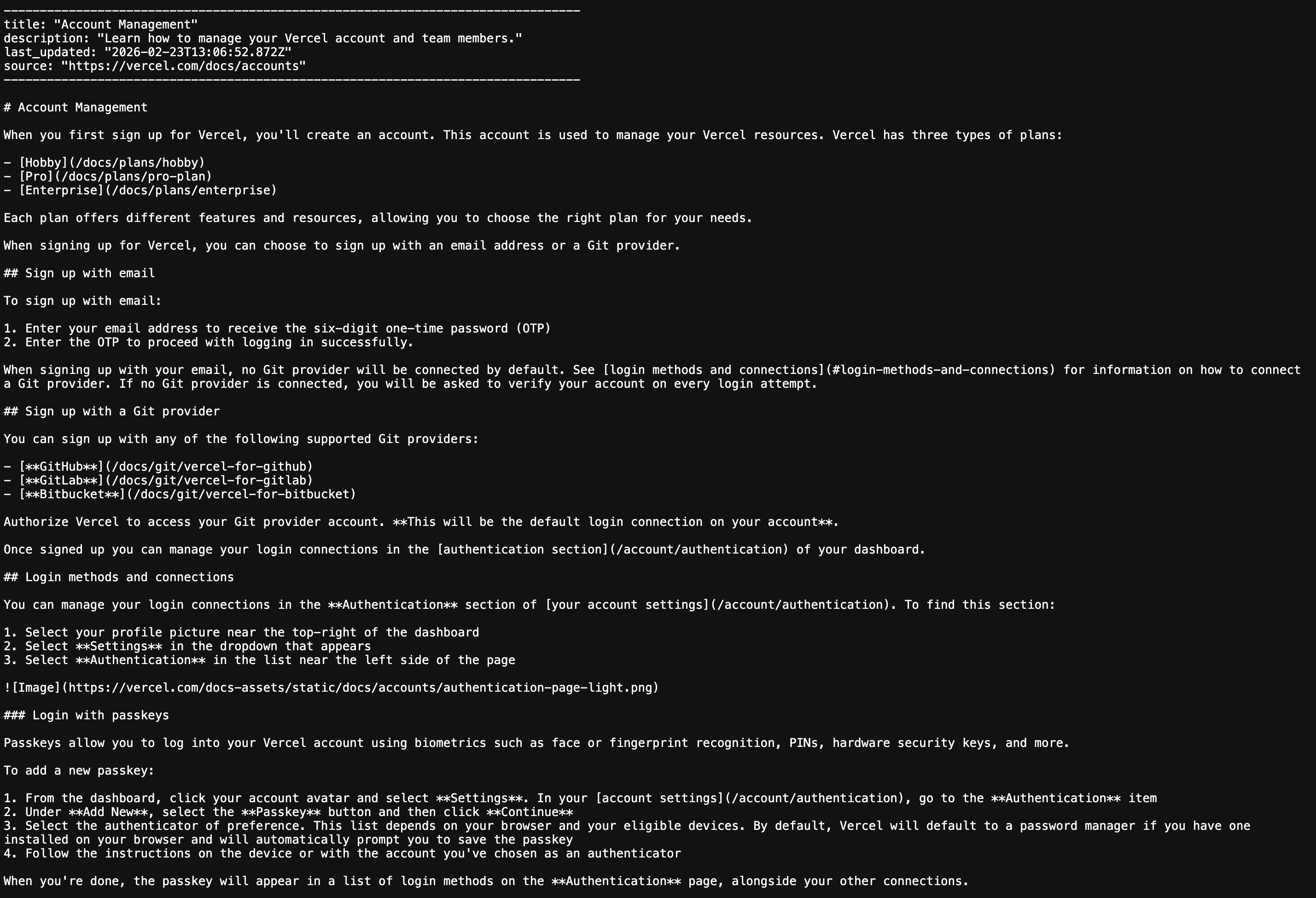
Step 1: Study Vercel's Example

Go to vercel/docs/llms-full.txt to see their implementation. Notice how they structure their information clearly and comprehensively.

Step 2: Write Your Product Description

Include these sections:

  • Product overview: What you do in 2-3 sentences
  • Core features: Your main capabilities
  • Use cases: When someone should choose your product
  • Pricing model: Basic pricing structure
  • Getting started: How new users begin

Step 3: Use Clear, Factual Language

Write like you're briefing a smart colleague. Avoid marketing fluff. AI models prefer straightforward, factual descriptions.

Step 4: Place and Optimize

Host your file at yoursite.com/llms.txt and make it publicly accessible. Include relevant keywords naturally, but focus on accuracy over optimization.

What competitive advantage does an llms.txt file give your SaaS?

Most SaaS companies haven't implemented this yet. You're getting in early on what's becoming the new frontier of search optimization.

As AI chat interfaces handle more product research and recommendations, having your llms.txt file ready means you're positioned to capture that growing search behavior.

Example of llms.txt file structure

How can you implement an llms.txt file for your SaaS this week?

Start simple. Write a basic llms.txt file covering your product's core value proposition. You can always expand and refine it based on how AI assistants use the information.

The key is getting something published now while the space is still wide open.

Want the full playbook? Read our guide on AI SEO Workflows That Move Rankings: A 2026 Field Guide.

Key Takeaway

SaaS companies should create an llms.txt file to control how AI assistants like ChatGPT and Claude describe their product to users. This structured text file sits at yoursite.com/llms.txt and contains your product overview, core features, use cases, and pricing in clear, factual language. When someone asks an AI "What's the best tool for [your use case]?" you want your product mentioned accurately. Vercel gets 10% of their traffic from AI platforms using this approach. Most SaaS companies haven't adopted this yet, making it a significant early-mover advantage in AI-driven product discovery.

Source: @fba on Twitter/X

Full tip page
Beginner Medium Effort

What is llms.txt and why does it matter for AI search engines?

AI search engines like ChatGPT, Gemini, and Claude are becoming major traffic sources.

But they can't always understand what your business does from your homepage alone. That's where llms.txt comes in.

Think of llms.txt as a business card for AI. It's a simple text file that tells AI systems exactly what your company does, what products you sell, and key details they need to recommend you to users.

How do you create an effective llms.txt file for your website?

Create a new text file called "llms.txt" and include:

  • Company name and main description (2-3 sentences max)
  • Primary products or services (bullet points work well)
  • Target audience (who you serve)
  • Key differentiators (what makes you unique)
  • Contact information (email, phone if relevant)

Keep it under 500 words. AI systems prefer concise, factual information over marketing fluff.

Where should you place your llms.txt file on your website?

Upload the file to your website's root directory, so it's accessible at: yourwebsite.com/llms.txt

Test that it loads properly by visiting the URL directly in your browser.

Which AI discovery platforms should you submit your website to?

Once your llms.txt file is live, submit it to these directories:

  1. llmstxt.site - The main directory for AI-readable websites
  2. directory.llmstxt.cloud - Secondary directory for broader coverage

Both are free and help AI systems discover your business information.

How can Google Search Console boost your AI search visibility?

While you're at it, submit your llms.txt URL to Google Search Console. This helps Google's AI features (like AI Overviews) find and use your information too.

What real impact does this have on your website's AI visibility?

Websites with properly formatted llms.txt files get mentioned more often in AI responses. When someone asks ChatGPT for "project management tools for small teams," your SaaS could be the one it recommends.

This takes 15 minutes to set up but positions you for the future of search, where AI assistants handle more discovery queries than traditional search engines.

Want the full playbook? Read our guide on 30 ChatGPT Prompts for SEO: Copy-Paste Templates for 2026.

Key Takeaway

Creating an llms.txt file helps AI search engines like ChatGPT and Claude understand your business and recommend you to users. This simple text file contains your company description, products, target audience, and key differentiators in under 500 words. Place it at yoursite.com/llms.txt and submit to directories like llmstxt.site for discovery. Websites with llms.txt files get mentioned more frequently in AI responses, positioning your business for the growing trend of AI-powered search queries.

Source: @tomilola_ng on Twitter/X

Full tip page

Putting these ai & seo tips into action

The 20 tips above represent the most validated ai & seo advice in the PocketSEO database — each one sourced from a practitioner who shared their finding publicly with their name attached. But reading tips is not the same as implementing them.

Start with the beginner-level quick wins — these are changes you can ship in under an hour that deliver measurable results within weeks. Once your foundation is solid, work through the intermediate and advanced tips systematically. Every tip links to its original source so you can verify the context and adapt the advice to your specific situation.

For more ai & seo resources, explore our guides, checklists, and the full tip directory below.

More AI & SEO Resources

Best Tips by Category

Get the weekly SEO digest

Get 3 actionable SEO tips every week — free.

Join solo founders leveling up their SEO. Unsubscribe anytime.