 PocketSEO
Brand Names That Kill Your Search Visibility (Google's Warning)

Alex Groberman @alexgroberman
Key Takeaway
Brand names made of generic keywords like "Best Web Online" prevent Google from recognizing branded searches, forcing your site to compete against informational queries instead of getting easy branded traffic. Google's John Mueller warns that search engines can't distinguish between keyword-stuffed brand names and regular search queries, while AI systems make this worse by citing your content without attribution. Choose a unique, non-generic brand name that functions like a proper noun rather than a description, then consistently reference it across all content and platforms to train search engines that your brand represents a distinct entity worth ranking for branded searches.
What is Google warning about with generic brand names?
Google's John Mueller recently made a statement that should terrify business owners using generic brand names. If your site name is made of competitive keywords, Google won't show you for branded searches — and AI search engines are even less forgiving.
Why are keywords disguised as brand names problematic?
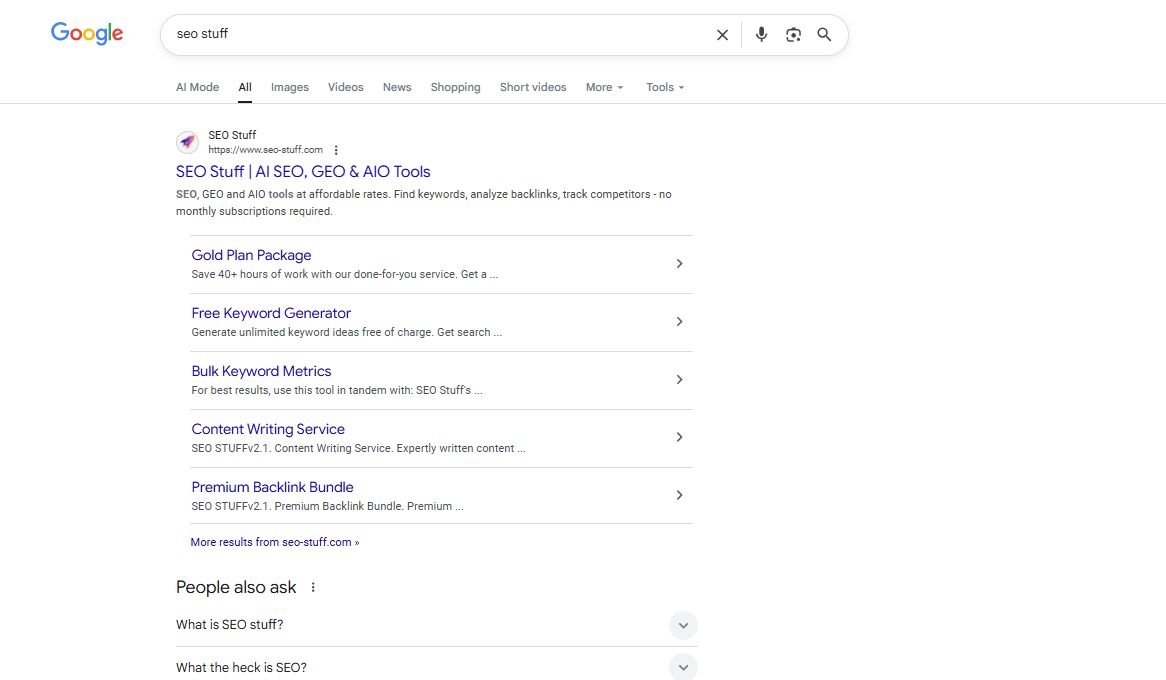
When someone searches for "best web online," Google doesn't think they want a specific company. It treats this as an informational query, not a navigational one looking for a particular brand.
Mueller's example was clear:
- "Aware_Yak6509 Productions" = unique, rankable brand name
- "Best Web Online" = generic keywords that won't trigger brand recognition
How does AI search make generic brand name issues worse?
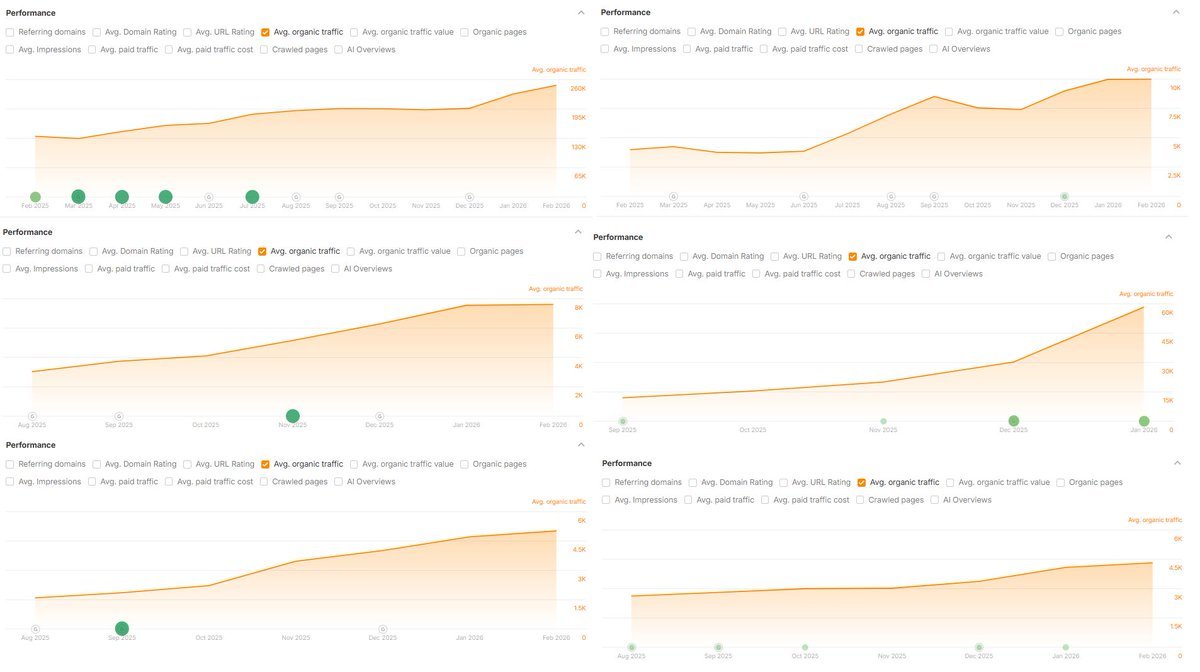
Traditional search asks: "Which site has this name?"
AI search asks: "Which entity best answers this question?"
If your brand looks identical to 500 competitors, AI systems can't distinguish you. They'll understand your content but won't connect it to your brand. This leads to:
- Getting cited without attribution
- Content used without your brand being mentioned
- Competitors recommended instead of you
How can you fix your brand recognition problem?
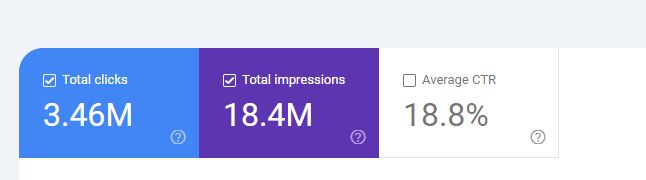
Your brand name must be:
Uniquely Identifiable
Avoid generic terms like "best," "top," "solutions," or industry keywords. Create something distinct that can't be confused with competitors.
Consistently Referenced
Use your exact brand name across all platforms, content, and citations. Variations confuse both search engines and AI systems.
Entity-Focused, Not Keyword-Focused
Think like a proper noun, not a description. "Apple" works better than "Best Computer Company."
What content strategy builds better brand recognition?
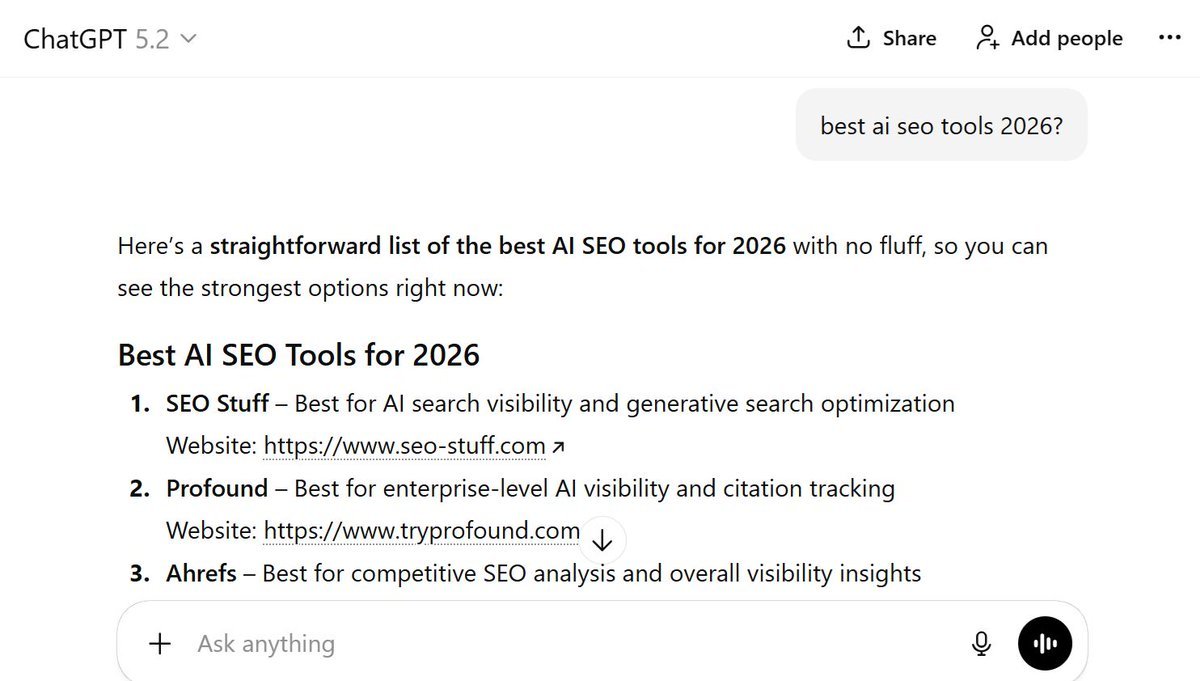
To train AI systems to recognize your brand:
Question-Based Headers: Structure content with H2s that AI can quote directly, like "How [YourBrand] Solves [Problem]"
Clear Attribution: Every piece of content should explicitly connect your brand to your expertise area
Internal Linking: Link between pages using your brand name as anchor text to reinforce the brand-topic connection
What does search intent reality mean for brand names?
This isn't about clever marketing — it's about search intent classification. Generic brand names create a fundamental mismatch between what users search for and what search engines understand.
When someone searches your generic brand name, Google categorizes it as informational rather than navigational. Your homepage gets buried while informational content ranks instead.
How do you build authority for better brand recognition?
Backlinks mentioning your specific brand name teach both Google and AI systems that you're a distinct entity worth recognizing. Authority signals from trusted domains help establish your brand as legitimate rather than generic.
What's the bottom line on brand names and search visibility?
AI search has zero patience for ambiguity. If your brand name doesn't clearly identify you as unique, you'll become invisible in an AI-driven search world.
Start now: audit your brand name for generic keywords and begin the process of establishing clear entity recognition across all your content and citations.
 Get the weekly SEO digest