PocketSEOPocketSEO

Best Off-Page SEO Tips (2026)

16 tips · ~26 min read · 6,362 words · Updated 2026

Off-page SEO builds the authority signals that exist beyond your own domain. Brand mentions, digital PR, social signals, and external citations all contribute to how search engines perceive your site's trustworthiness. These tips focus on the strategies practitioners use to build domain authority through channels they don't directly control — the kind of signals that are hardest to fake and most valuable to earn.

Beginner Quick Win

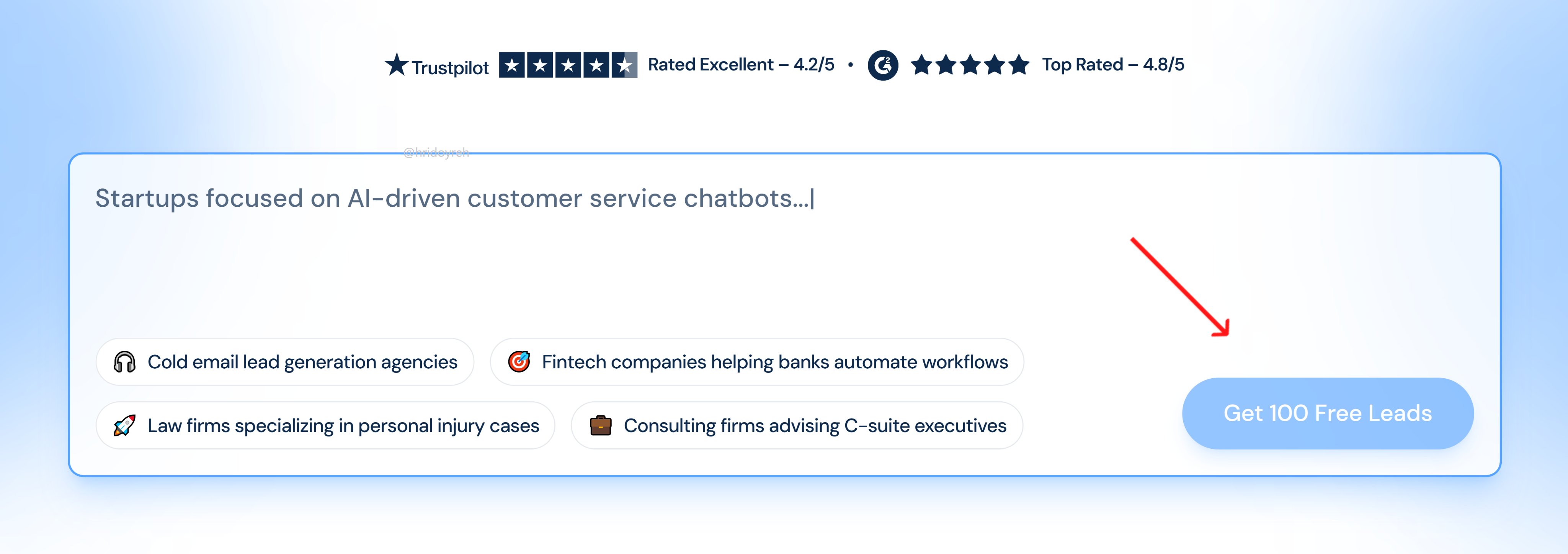
Is Hacker News actually worth your time for traffic?

Hacker News has a notoriously sharp-elbowed community. Self-promotion gets buried fast, accounts get flagged, and low-effort comments disappear. But the audience is high-value: developers, founders, and technical decision-makers. A single well-placed comment on a top thread can send thousands of targeted visitors to your site.

The traffic converts because readers are actively looking for tools and solutions.

How do you find the right threads to comment on?
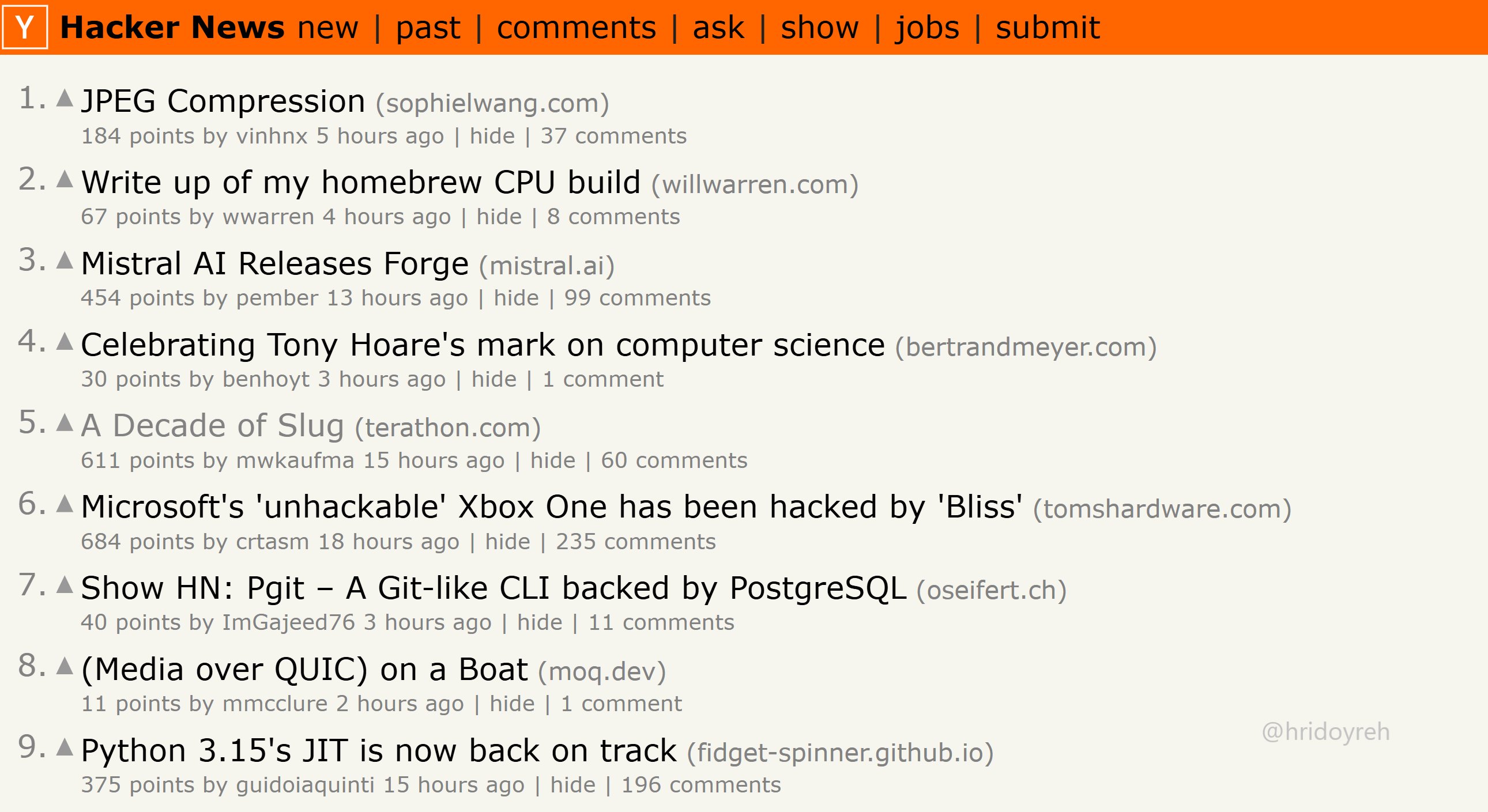
How to Drive Traffic from Hacker News Without Getting Banned

Go to news.ycombinator.com and use the search at hn.algolia.com to find threads matching your product's problem space. Sort by date to find active discussions, not dead ones from 2019.

Look for threads like:

  • "Ask HN: How do you handle X?"
  • "Show HN" posts in your niche
  • News stories about a problem your product solves

Set up a Google Alert for your main keyword + "site:news.ycombinator.com" so you catch new threads early. Early comments rank higher in threads and get more visibility.

What does a good Hacker News comment actually look like?

HN users read closely and will call out anything that smells like marketing copy. The bar for a useful comment is high.

Here's the structure that works:

  1. Answer the question directly. Give a real, specific answer before mentioning anything about yourself or your product. If someone asks how to monitor uptime cheaply, tell them how.
  2. Add context from experience. "We ran into this exact issue building X and found that..." is more credible than generic advice.
  3. Mention your product only if it genuinely fits. Disclose that you built it. HN users respect transparency and punish undisclosed promotion.
  4. Keep it short. Long-winded comments get skipped. Make your point in four to six sentences.

A comment that gets upvoted becomes visible to thousands of readers. A comment that reads as an ad gets flagged within minutes.

What should you avoid?

  • Posting the same comment across multiple threads
  • Dropping your URL without context
  • Creating an account just to promote one thing
  • Replying to every comment in a thread with product mentions

HN has a shadow-ban system. If you trigger spam filters, your comments become invisible to everyone except you. You won't be notified.

Does this actually produce measurable results?

For niche B2B tools, a single front-page comment thread can drive 500 to 2,000 visits in 24 hours. The traffic drops off fast, but the signups from that cohort tend to be high-quality because HN readers self-select as technical early adopters.

The long game here is building a recognized username. HN users check comment histories. An account with 18 months of genuine contributions gets far more benefit of the doubt than a new account promoting a product on its third comment.

Want the full playbook? Read our guide on Parasite SEO on Web 2.0 Platforms: A 2026 Tactical Guide.

Key Takeaway

Hacker News can drive high-quality traffic to your product if you lead with genuine value. Find threads where your product solves a real problem, answer the question directly and specifically, then mention your product only if it's a natural fit and disclose that you built it. HN users penalize undisclosed promotion quickly, but reward honest, helpful contributors with visibility to a highly engaged technical audience of founders and developers.

Source: @hridoyreh on Twitter/X

Full tip page
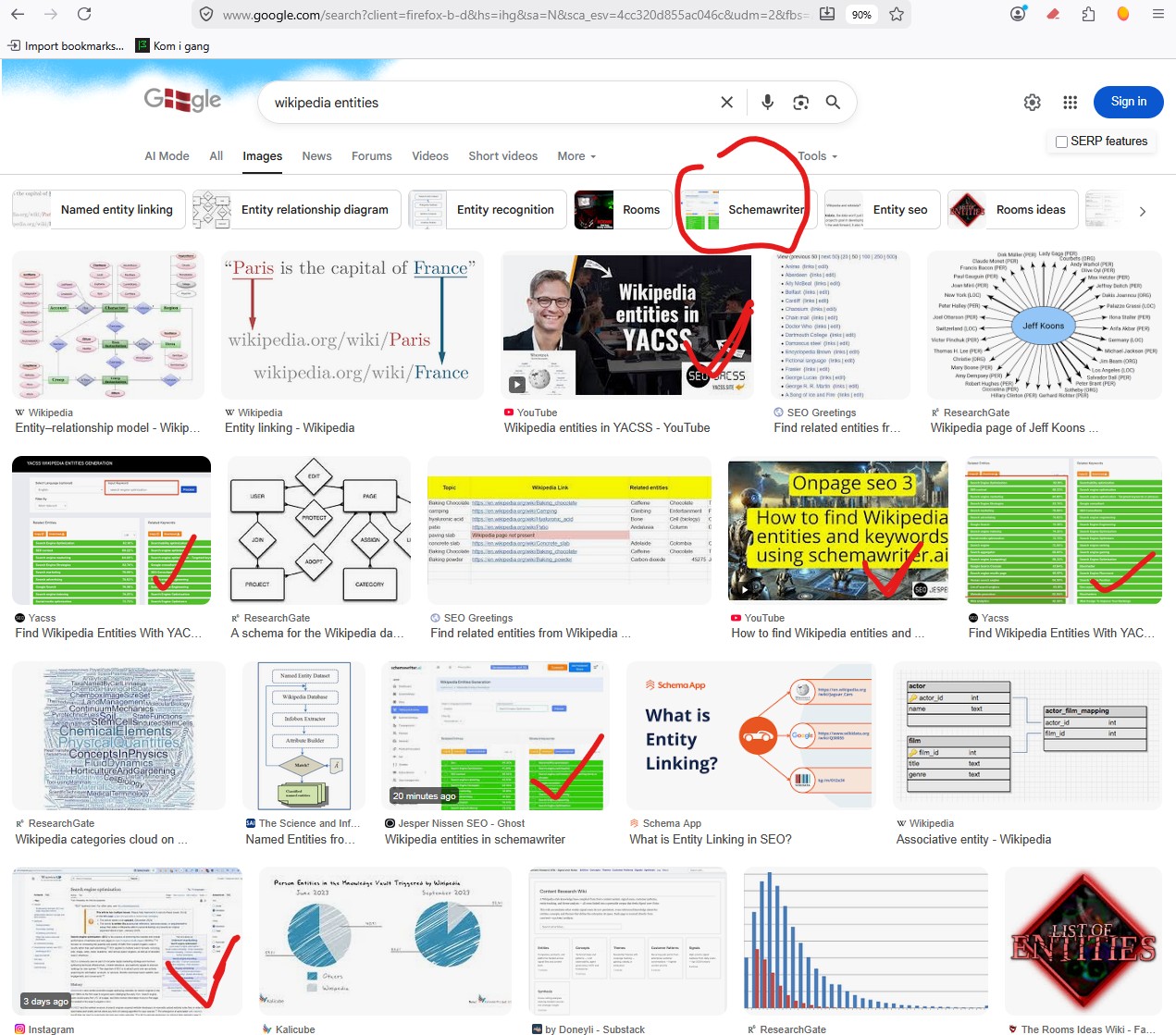
Beginner Quick Win

What's actually happening when you post on Facebook?

Every public post on a Facebook company page generates its own standalone URL. Google crawls and indexes these URLs as individual pages, not just as part of the broader Facebook domain.

The SEO implication: Facebook has enormous domain authority. Pages hosted on it tend to rank well, and your company posts inherit that authority.

How does Facebook structure these URLs and titles?

According to SEO consultant Jesper Nissen, Facebook takes the first 12 to 13 words of your post and uses them to construct both the page's URL and its title tag. That's the text Google reads as the primary ranking signal for those pages.

So if your post starts with "Best accountant for small businesses in Manchester UK hire today," that phrase becomes the title and slug for an indexed page — one that can show up for searches containing those words.

Why do these pages rank so well?

Facebook's domain authority is off the charts. According to Ahrefs, facebook.com has a Domain Rating of 100. Any page hosted there starts the ranking race with a massive head start. Your standalone post page doesn't need external links or a content strategy to compete — it leans on Facebook's authority directly.

This is the core mechanic behind "parasite SEO": publishing on a high-authority host to rank content faster than you could on your own domain.

How to put this to work?

Here's the practical playbook:

  1. Identify your target keywords. Focus on branded search terms, location-based phrases, or long-tail queries where you want page-one visibility.
  2. Lead with the keyword phrase. Put your primary keyword in the first 12 to 13 words of the post. Everything after that is for your audience, not the URL.
  3. Post publicly. Private or friends-only posts won't be indexed. Your company page posts should already be public by default.
  4. Write something useful. The post needs to be coherent enough that if someone lands on it from Google, they don't immediately bounce. A short paragraph with a clear call to action works fine.
  5. Repeat for multiple terms. Each post is its own indexed page, so you can target different keyword phrases across multiple posts without them cannibalizing each other.

What kinds of searches is this best for?

This tactic works best for:

  • Branded searches (your company name + service or location)
  • Local searches (service + city/town)
  • Long-tail commercial queries where competition is low enough for a high-DA page to rank easily

It's less reliable for highly competitive head terms where Google expects authoritative editorial content, not social posts.

What are the limitations?

Facebook controls the page, not you. If Facebook changes how it structures post URLs, or restricts crawling, this stops working. It's also dependent on your posts remaining public and the page staying active.

Use it as a supplementary channel for brand visibility, not a replacement for your own site's SEO. Think of it as borrowing shelf space in a store you don't own — useful, but not something to build your entire strategy around.

Want the full playbook? Read our guide on Parasite SEO on Web 2.0 Platforms: A 2026 Tactical Guide.

Key Takeaway

Every public Facebook company post generates a standalone indexed page. Facebook takes the first 12 to 13 words of your post and uses them as both the URL and title tag for that page. Because Facebook has a Domain Rating of 100, these pages can rank on Google page one for those keyword phrases with minimal effort. Starting your posts with target keywords — branded terms, local queries, or long-tail phrases — turns each post into a fast-ranking indexed page you can use to capture brand visibility.

Source: @JespernissenSEO on Twitter/X

Full tip page
Beginner Quick Win

Can you really rank on Google's first page without spending money on tools or hosting?

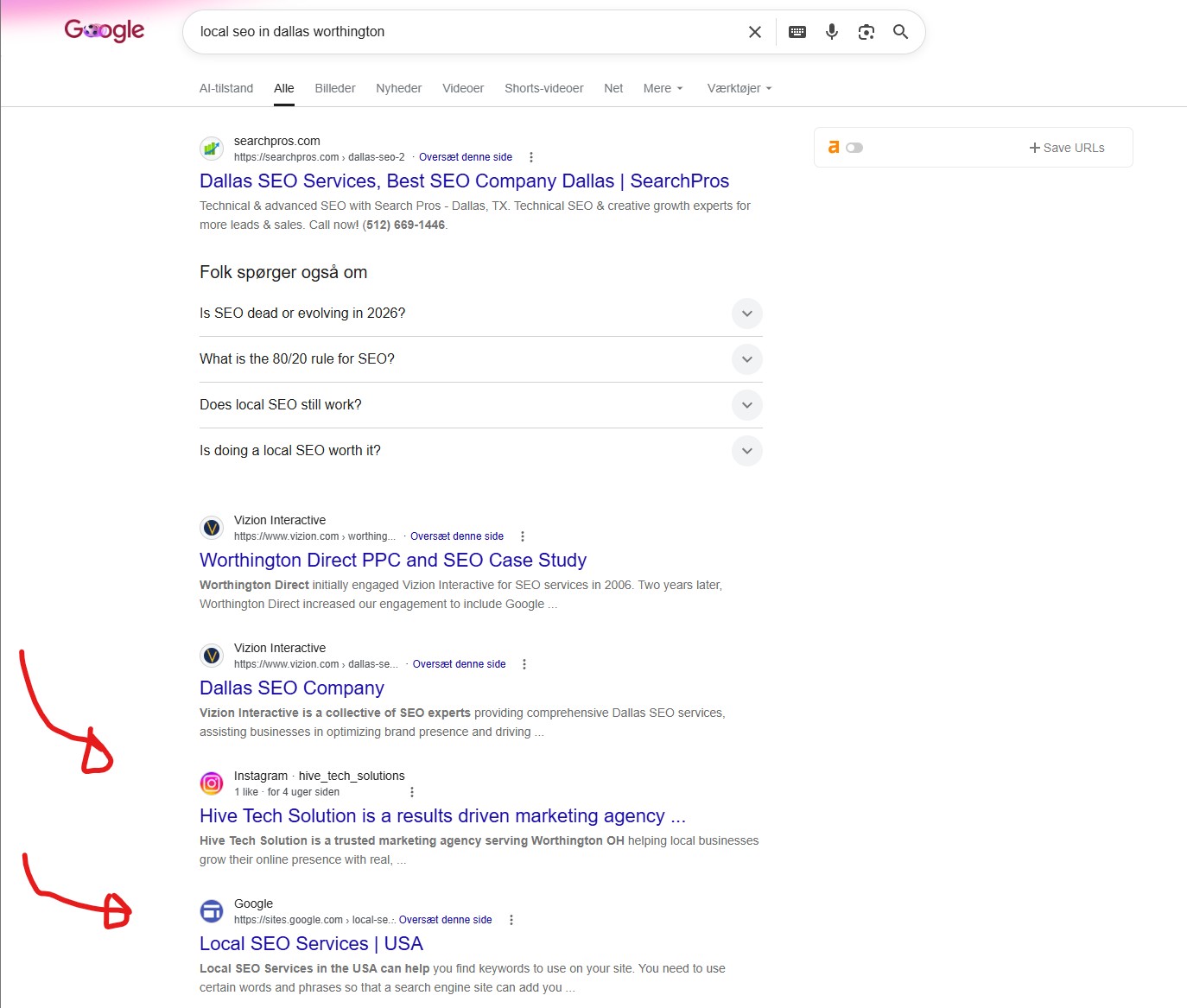
Absolutely. A quick search for "local seo in dallas worthington" shows an Instagram post ranking #4 and a free Google Site at #5. These platforms have massive domain authority that you can borrow for free.

Why do Instagram posts and Google Sites rank so well?

Rank on Google Page 1 with Free Instagram Posts and Google Sites

Google trusts established platforms with high domain authority.

According to Ahrefs, Instagram has a domain rating of 95, making it one of the most powerful domains on the internet. When you post content on Instagram or create a Google Site, you're essentially piggybacking on their SEO power. This strategy, called parasite SEO, works because:

  • Instagram has a domain authority of 95+
  • Google Sites inherit Google's own domain trust
  • Both platforms are mobile-optimized by default
  • They load fast and have clean technical SEO

Which keywords should you target with parasite SEO?

Focus on keywords that don't trigger AI overviews in search results. These are goldmine opportunities because:

  • Less competition from AI-generated content
  • Traditional ranking factors still dominate
  • Local and niche keywords work especially well
  • Long-tail phrases with commercial intent

How do you execute this strategy?

For Instagram posts:

  1. Research keywords using Google's autocomplete
  2. Create a carousel post with valuable tips or insights
  3. Use your target keyword in the caption naturally
  4. Include location tags for local keywords
  5. Add relevant hashtags (but don't overdo it)

For Google Sites:

  1. Sign up for a free Google Sites account
  2. Choose a template and customize with your keyword
  3. Write 300-500 words of helpful content
  4. Include your target keyword in the title and headers
  5. Add images with descriptive alt text
  6. Publish and submit to Google Search Console

What makes this approach work in 2024?

Many SEOs overcomplicate things with expensive tools and complex strategies. But Google still rewards helpful content on trusted platforms. The key is finding those keyword gaps where traditional websites aren't competing aggressively.

Start with local service keywords, how-to queries, or product comparisons in your niche. Test 5-10 pieces of content and track which ones gain traction. Once you find what works, scale up your content production on these free platforms.

Want the full playbook? Read our guide on Parasite SEO on Web 2.0 Platforms: A 2026 Tactical Guide.

Key Takeaway

You can rank on Google's first page using free platforms like Instagram and Google Sites through parasite SEO. Focus on keywords without AI overviews, create helpful content on these high-authority platforms, and leverage their domain trust to compete with expensive websites. This works especially well for local and long-tail commercial keywords.

Source: @JespernissenSEO on Twitter/X

Full tip page
Beginner Quick Win

Why do Facebook groups work so well for parasite SEO?

Facebook's domain authority gives your content instant credibility with Google. When you post in active Facebook groups, you're borrowing from Facebook's massive trust signals. Your posts can appear in search results within hours, not months.

According to BrightEdge, 68% of online experiences begin with a search engine, making Facebook's high search visibility particularly valuable for local businesses.

Local businesses are quietly using this strategy because Facebook groups often rank on page one for local search terms. A well-crafted group post can outrank your own website for competitive keywords.

How do you structure posts for maximum SEO impact?

Lead with your target keyword. Google pays special attention to the opening words of your post. If you're targeting "Denver plumber emergency," start your post exactly with those words.

Write long-form content. Google needs context to understand your topic. Aim for 200+ words minimum. Share a detailed story, case study, or step-by-step guide. Short posts get ignored by search algorithms.

Include natural keyword variations throughout. Don't stuff keywords, but naturally work in related terms. For a plumbing post, mention "water damage," "pipe repair," "24-hour service" where they fit naturally.

Which Facebook groups should you target?

Own your group if possible. Creating your own local business group gives you complete control. Name it strategically with local keywords: "Denver Home Repair Network" or "Austin Small Business Owners."

Join established local groups. Look for active groups in your service area with engaged members. Groups with 1,000-10,000 members often have the best engagement rates.

Post consistently but don't spam. Share valuable content 2-3 times per week. Mix promotional posts with genuinely helpful advice. Group moderators will remove obvious spam quickly.

What content formats work best?

Before/after photos with detailed explanations perform exceptionally well. Share a problem you solved, explain your process, and include relevant keywords naturally in your description.

Question-format posts also rank well. Ask something your target customers would search for: "What's the fastest way to fix a leaking faucet in Denver?"

Customer success stories work too. Detail the problem, solution, and results while incorporating local and industry keywords.

Want the full playbook? Read our guide on Parasite SEO on Web 2.0 Platforms: A 2026 Tactical Guide.

Key Takeaway

Facebook groups offer powerful parasite SEO opportunities for local businesses. Post long-form content starting with target keywords, join or create local business groups, and share valuable stories with natural keyword placement. Facebook's domain authority can help your content rank on page one within hours.

Source: @JespernissenSEO on Twitter/X

Full tip page
Beginner Medium Effort

The Social Media Image SEO Strategy That Works

Most people ignore image SEO on social platforms. That's a mistake.

Social media posts can help your images rank in Google Image search within weeks, not months.

Here's a step-by-step system that got one founder 6 image search results for his target keyword:

Step 1: Start With Video Content

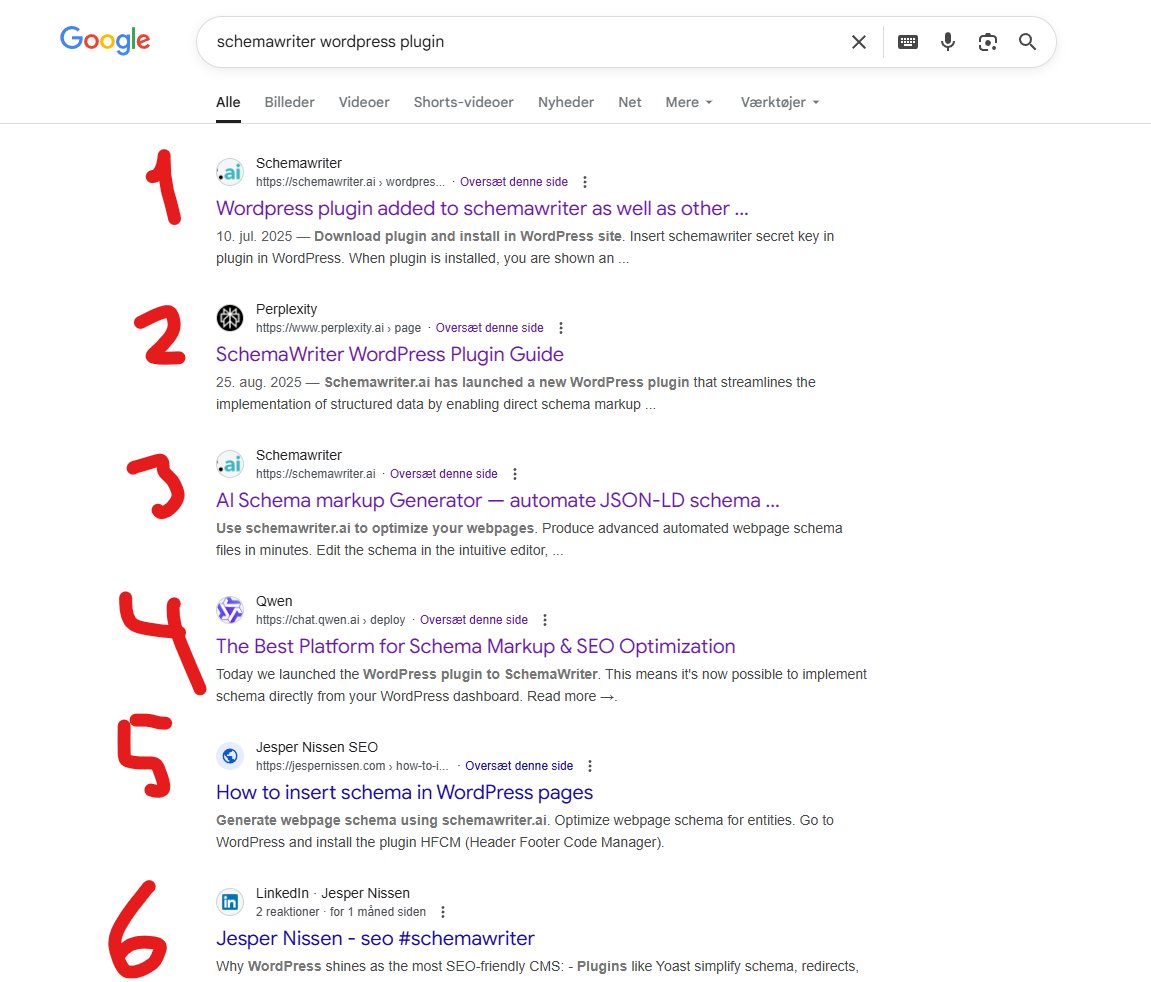
How to Rank Images Fast Using Social Media Posts

Create YouTube videos with your exact target keyword in the title. YouTube is owned by Google, so these rank fast. The video thumbnail becomes an indexed image that can appear in image search results.

Step 2: Optimize Your Website Images

  • Write a long-form article targeting your keyword
  • Name your image file with the exact keyword (example: "schema-writer-tool.jpg")
  • Use this optimized image as your featured image
  • Include proper alt text with the keyword

Step 3: Distribute Across Multiple Platforms

Post the same content (with image variations) on:

For each platform, use slight keyword variations in the image filename. Don't use the exact same filename everywhere.

Step 4: Hashtag Strategy

Use 3-5 hashtags per post that include:

  • Your main keyword
  • Keyword variations
  • Industry-related terms

Example: #seo #imageseo #schematools #seosoftware

Step 5: Write Relevant Captions

Don't just post images. Write 2-3 sentences about the topic in each social media caption. This gives Google context about what your image shows.

Step 6: Add Text Overlays to Images

Include your target keyword as readable text directly on the image. This helps Google understand the image content and can boost rankings.

Step 7: Post Consistently

Repeat this process multiple times with the same keyword focus. Consistency signals to Google that you're an authority on this topic.

Pro Tips for Faster Indexing

  • Use indexing tools like Prime Indexer to speed up Google discovery
  • Cross-link between your social posts and website content
  • Engage with comments to increase post visibility

Why This Works

Most businesses post random images without optimization. By following this systematic approach, you face less competition in image search results.

Social media images often rank faster than website images because platforms like Instagram and YouTube have high domain authority.

Start with one keyword and one image. Scale the process once you see results.

Want the full playbook? Read our guide on Parasite SEO on Web 2.0 Platforms: A 2026 Tactical Guide.

Key Takeaway

Rank images faster by pairing keyword-named files with YouTube thumbnails and multi-platform posts, feeding Google context and authority signals from high-domain social sites.

Source: @JespernissenSEO on Twitter/X

Full tip page
Beginner Medium Effort

What Is Parasite SEO for Brand Building?

Parasite SEO means leveraging high-authority platforms to rank your content faster than your own website could. For brand building, this translates to consistent posting across social platforms that already dominate search results.

How does the free multi-platform strategy work?

Build Brand Visibility with Free Parasite SEO on Social Platforms

Primary Platforms to Target Daily

YouTube: Post videos when possible, but standard posts with video links work too. YouTube content often appears in both Google and YouTube search results.

Facebook: Create a Facebook group using your company name instead of just a page. Groups typically rank higher in search results than business pages.

LinkedIn: Focus on posts, not articles. LinkedIn posts get indexed faster and appear in search results more frequently.

Twitter/X: Regular posts work well. If budget allows, upgrade to Premium for article publishing — these tend to rank better than standard tweets.

Reddit: Create your own subreddit with your brand name. This gives you a controlled space to post content that can rank for branded searches.

Secondary Platforms Worth Including

  • Instagram for visual content
  • Threads for Twitter-style engagement
  • Pinterest for evergreen content discovery
  • TikTok for short-form video content

What timeline should you follow for implementation?

Week 1: Setup and Content Creation

  • Create branded profiles on all platforms
  • Establish posting schedule (multiple times daily across platforms)
  • Focus on text and image posts — you don't need unique videos for each platform

Week 2: AI Platform Expansion

  • Create brand pages on Perplexity, Qwen, and similar AI search tools
  • Continue consistent posting across social platforms
  • Monitor which posts start appearing in search results

Beyond Week 2: Scale and Amplify

  • Once social posts start ranking, consider paid press releases
  • Link press releases to both your website and ranking social content
  • This creates a reinforcement loop that boosts overall brand visibility

What results can you expect from this approach?

With consistent execution, you'll see branded search results dominated by your social profiles within two weeks. Long-tail keywords related to your brand will start appearing on page one as your content library grows.

The key is volume and consistency. This approach requires significant time investment, but the payoff comes from owning multiple spots in search results for your brand terms — something that would take months to achieve with a new website alone.

Want the full playbook? Read our guide on Parasite SEO on Web 2.0 Platforms: A 2026 Tactical Guide.

Key Takeaway

Create branded profiles on high-authority platforms like YouTube, LinkedIn, Facebook groups, Twitter/X, and Reddit to dominate search results for your brand terms faster than your website could rank alone. Post consistently across multiple platforms daily, focusing on text and image content rather than unique videos for each platform. Within two weeks of regular posting, your social profiles will start appearing in branded search results, giving you multiple page-one positions that would take months to achieve with a new website. This strategy works because search engines already trust these established platforms, so your content gets indexed and ranked much faster than building domain authority from scratch.

Source: @JespernissenSEO on Twitter/X

Full tip page
Intermediate Medium Effort

How does this simple client acquisition system work?

Finding SEO clients doesn't require complex funnels or expensive ads. This straightforward approach uses public business directories and quick audits to identify prospects who need your help.

How do you extract prospects from ListKit?

5-Step System to Find SEO Clients Using ListKit and Mini Audits

ListKit aggregates business listings across industries. Use their export function to download:

  • Company names
  • Website URLs
  • Contact emails
  • Basic company info

Filter by industry, location, or company size based on your ideal client profile. A list of 100-200 prospects works well for manual outreach.

How do you identify poor Google rankings?

Don't waste time on companies that already rank well. Quick screening methods:

  • Search "[company name] + [city]" in Google
  • Check if they appear in the first 3 results
  • Search their main service keywords
  • Note companies missing from page 1

Remove well-ranking businesses from your list. Focus on companies with clear visibility gaps.

How do you run 10-minute SEO audits?

For remaining prospects, conduct quick audits covering:

  • Title tags: Missing, duplicate, or poorly optimized
  • Page speed: Use PageSpeed Insights
  • Mobile-friendliness: Test on Google's Mobile-Friendly tool
  • Local presence: Check Google Business Profile completeness
  • Basic on-page: H1 tags, meta descriptions, image alt text

Document 2-3 specific issues per prospect. This becomes your email ammunition.

How do you craft value-first outreach?

Your email should include:

  • One specific problem you found
  • Why it hurts their business
  • A quick fix they can implement
  • Offer for a full audit

Example: "I noticed your homepage loads in 8 seconds on mobile, which likely costs you 40% of potential customers. Compressing your header image alone would cut that to 4 seconds."

How do you follow up consistently?

Most responses come from follow-ups, not initial emails:

  • Email 2 (1 week later): Share another quick insight
  • Email 3 (1 week after that): Case study or success story
  • Email 4 (2 weeks later): Final attempt with urgency

Track open rates and responses. Adjust your messaging based on what generates replies.

Why does this client acquisition method work?

This system succeeds because you're solving real problems before asking for anything. The mini-audit demonstrates expertise while the follow-up sequence builds familiarity.

Expect a 2-5% response rate initially. As you refine your messaging and targeting, this can reach 8-12% for warm prospects.

Start with 50 prospects to test your process, then scale up once you dial in your approach.

Want the full playbook? Read our guide on Parasite SEO on Web 2.0 Platforms: A 2026 Tactical Guide.

Key Takeaway

Use ListKit to export 100-200 business listings with contact information, then quickly identify companies ranking poorly for their main keywords by searching "[company name] + [city]" in Google. Run 10-minute SEO audits on prospects who don't appear in the first 3 results, focusing on title tags, page speed, mobile-friendliness, and local presence issues. Send value-first emails highlighting one specific problem you discovered and how it impacts their business, followed by three strategic follow-ups over four weeks. This approach typically generates 2-5% response rates initially because you're demonstrating expertise with real problems before making any sales pitch.

Source: @hridoyreh on Twitter/X

Full tip page
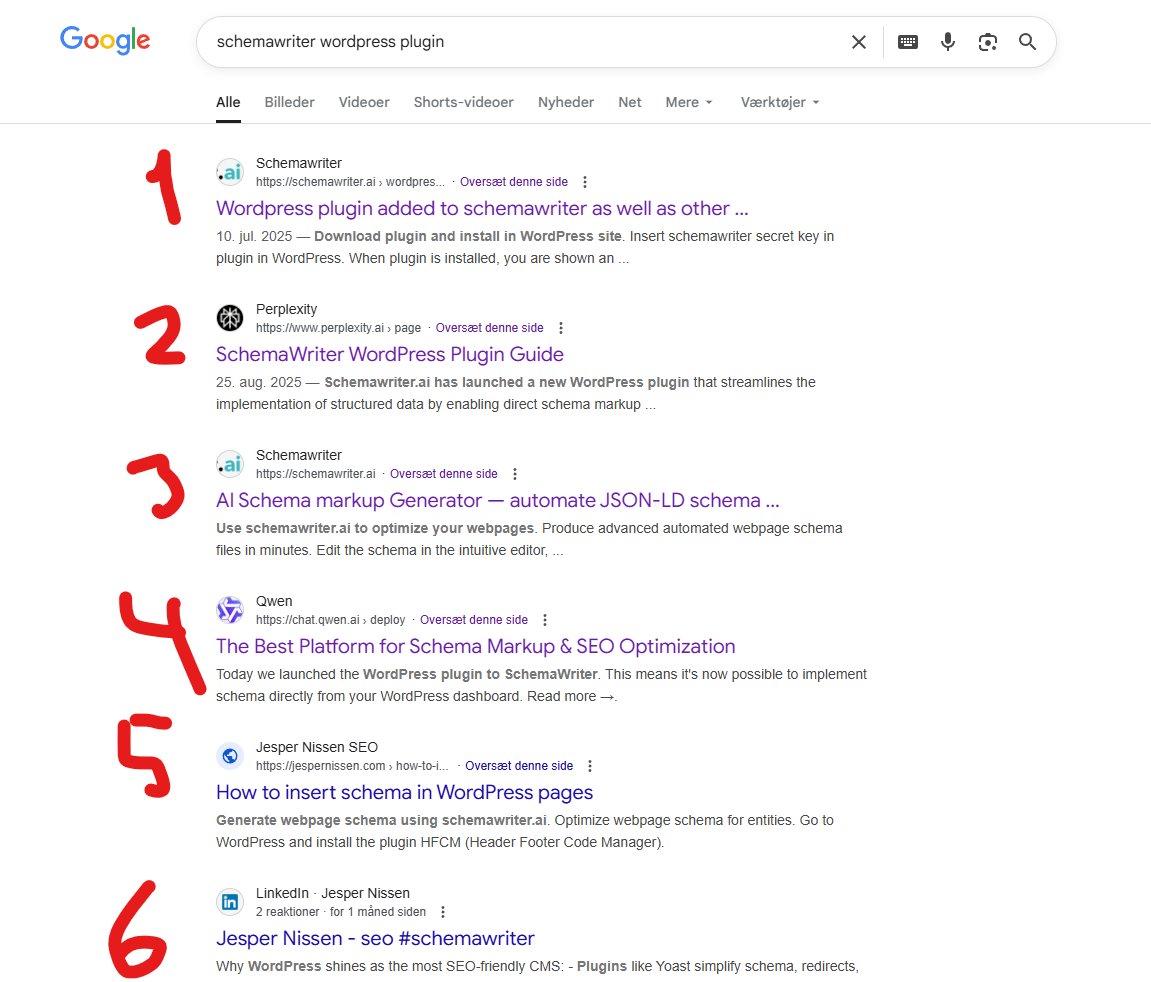
Beginner Medium Effort

How can you skip building a website and rank with free platforms instead?

You don't need a website to start ranking in Google. This "parasite SEO" strategy lets you hijack the authority of established platforms to get your brand visible in search results within weeks.

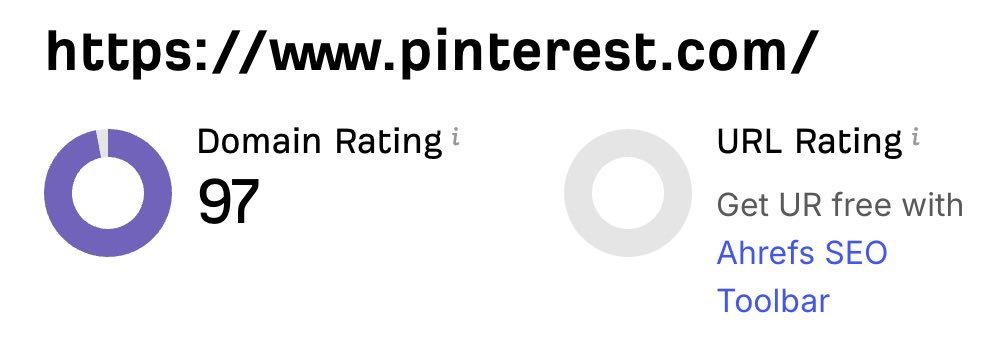
According to Ahrefs, 90.63% of pages get zero organic search traffic from Google, making parasite SEO an attractive alternative for new brands.

How do you build a strong social media foundation for ranking?

Start by creating profiles on every major platform. These profiles often rank on page one for brand searches:

  • YouTube — Post community updates daily
  • Google Business Profile — Essential for local visibility
  • Facebook — Create a group with your company name (groups rank better than pages)
  • LinkedIn — Share posts, not articles
  • X/Twitter — Upgrade to Premium for better-ranking articles if budget allows
  • Instagram, Threads, Pinterest, TikTok — Daily posting
  • Reddit — Create your own subreddit for brand content

Which high-authority web platforms should you leverage for SEO?

These free or cheap platforms have strong domain authority and rank quickly:

  • Ghost — Not free but worth it. Posts rank well, and images get indexed
  • Substack — Create unique articles (duplicates won't index)
  • WordPress — Free subdomain sites
  • Blogger — Google-owned property, ranks well for local terms
  • Wix and Webflow — Free site tiers available

How to Rank Without a Website Using Free Platforms and Social Media

What interlinking strategy works best across platforms?

Link from your web platforms back to your social profiles. This creates a network effect that boosts everything.

How does video content accelerate your ranking results?

Upload videos daily if possible:

  • YouTube videos rank fastest
  • Facebook videos now appear in Google's video carousels
  • Embed videos in your web platform posts

What results can you expect from this no-website approach?

After consistent posting for two weeks:

  1. Brand name searches show multiple properties on page one
  2. Long-tail keywords start ranking
  3. Organic traffic increases in Search Console
  4. Leads begin coming in

What advanced tactics can boost your platform-based rankings?

  • Create AI-powered brand pages on Perplexity and Qwen
  • Once posts start ranking, buy press releases linking to your top-performing content
  • Focus on local search terms if you're a local business

Why does ranking without a website actually work?

You're borrowing authority from platforms Google already trusts. Instead of waiting months to build domain authority, you get immediate access to established ranking power.

The key is consistency. Daily posting across multiple platforms creates enough signals for Google to recognize your brand as legitimate and worth ranking.

Want the full playbook? Read our guide on Parasite SEO on Web 2.0 Platforms: A 2026 Tactical Guide.

Key Takeaway

Parasite SEO bypasses the months needed to build website authority by using established platforms like YouTube, Google Business Profile, and Substack that Google already trusts. Create profiles across major social media and publishing platforms, then post content daily while interlinking between properties to create a network effect. This strategy can get your brand ranking on page one for searches within two weeks because you're borrowing the ranking power of high-authority domains rather than starting from zero.

Source: @JespernissenSEO on Twitter/X

Full tip page
Intermediate Medium Effort

Why does Reddit beat traditional link building for SEO?

Forget chasing Reddit backlinks. The platform uses nofollow links, and profile links barely register with crawlers. Here's what makes Reddit powerful for SEO: it can outrank your own website.

According to Ahrefs, Reddit ranks in the top 20 most visited websites globally with over 1.7 billion monthly visits. When you create helpful content that gains traction, your Reddit post can show up higher in search results than your landing page. That's free traffic flowing to content you control.

Google has leaned harder on Reddit since a reported $60 million content licensing deal with the platform in 2024, so threads now sit above brand websites, review sites, and even Wikipedia for many product and service searches.

How does the trust-first strategy work on Reddit?

Reddit users spot promotional content instantly and downvote it into oblivion. Your approach needs to flip the script:

  1. Help first, promote never - answer questions, solve problems, share insights
  2. Build karma organically - contribute valuable comments before mentioning anything you've built
  3. Let others ask for your link - share your resource only when someone specifically requests it

This patient approach builds genuine community trust. Users start recognizing your username as someone who provides value, not just another marketer.

How do you comment on threads that already rank in Google?

There's a faster play: comment on Reddit threads that already rank for your keywords.

  1. Search Google for a keyword you target, like "best [tool] for [use case]"
  2. Open the Reddit threads in the top results, which often appear in the top five
  3. Check upvotes and comment age, since active threads with recent comments still get traction
  4. Read the full thread before commenting

Your comment should answer the original question directly with specific detail, mention your product in context rather than as the main point, add something other comments missed, and end naturally without a call to action.

Upvotes matter here. Reddit's algorithm surfaces top comments, and Google pulls them into featured snippets and "People Also Ask" boxes. According to a 2024 BrightEdge report, Reddit results appear in Google's AI Overviews far more than most brand websites do.

Where should you start, and what should you avoid?

These communities balance activity with receptiveness to helpful business content:

  • r/saas - 180k+ members discussing software tools and challenges
  • r/indiehackers - founders sharing real experiences and metrics
  • r/SideProject - people launching and critiquing new projects

Watch the risks:

  • Account age: new accounts with no post history get flagged as spam, so build some history first
  • Subreddit rules: many subreddits ban self-promotion outright, so check before you comment
  • Overdoing it: one or two comments per week is sustainable; dozens of brand mentions gets your account banned

Start contributing value today. Your future search rankings will thank you.

Want the full playbook? Read our guide on Parasite SEO on Web 2.0 Platforms: A 2026 Tactical Guide.

Key Takeaway

Reddit's huge authority means its posts, and your helpful comments on threads that already rank, can outrank your own site and send free search traffic.

Source: @RoxanaLimban on Twitter/X

Full tip page
Beginner Long-term

Why does Pinterest matter for SaaS SEO strategy?

Most SaaS companies ignore Pinterest, thinking it's only for recipes and home decor. That's a mistake. While Pinterest links are nofollow, the platform still offers real SEO value through authority signals and brand presence.

Google consistently indexes Pinterest profiles, even those with minimal followers.

According to a Shareaholic study, Pinterest drives roughly 3x more referral traffic to websites than Twitter, making it a valuable platform for building brand visibility. This creates another branded touchpoint in search results and reinforces your company's digital footprint.

What authority signal benefits does Pinterest provide?

How Pinterest Builds SEO Authority for SaaS Companies

Pinterest profiles contribute to your overall brand authority signals. When Google sees your brand mentioned across multiple platforms, it builds confidence in your business legitimacy.

Think of it as digital brand consistency. Your company appears on LinkedIn, Twitter, your website, and now Pinterest. This cross-platform presence signals to search engines that you're an established entity, not a fly-by-night operation.

How do you set up your Pinterest profile for SEO?

Create a business account with your company name and complete branding. Add your website link in the profile description. Pin relevant content like:

  • Product screenshots
  • Educational infographics about your industry
  • Company announcements and updates
  • User-generated content featuring your product

The goal isn't going viral on Pinterest. It's establishing another verified touchpoint for your brand.

How do you ensure Pinterest gets properly crawled by search engines?

Once your profile exists, help search engines discover it:

  1. Add it to your website footer alongside other social links
  2. Include it in business directory listings like Google Business Profile
  3. Link to it from your About page in your social media section
  4. Reference it in press releases or company announcements

These internal and external links signal to Google that your Pinterest profile is legitimate and worth crawling.

How does Pinterest contribute to long-term brand building?

Pinterest won't drive immediate SEO results, but it strengthens your overall digital presence. When potential customers or partners research your company, they'll find consistent branding across multiple platforms.

This omnichannel approach builds trust and authority over time. Even if users never visit your Pinterest, knowing it exists reinforces your brand's credibility.

Want the full playbook? Read our guide on Parasite SEO on Web 2.0 Platforms: A 2026 Tactical Guide.

Key Takeaway

Pinterest profiles get indexed by Google even with minimal followers, creating another branded search result that reinforces your company's digital authority. Set up a business account with complete branding, pin relevant content like product screenshots and industry infographics, then link to it from your website footer and business directories. While Pinterest links are nofollow, this cross-platform presence signals to search engines that you're an established business, building long-term trust and brand credibility in search results.

Source: @RoxanaLimban on Twitter/X

Full tip page
Beginner Quick Win

How can you turn your GitHub profile into an SEO trust signal?

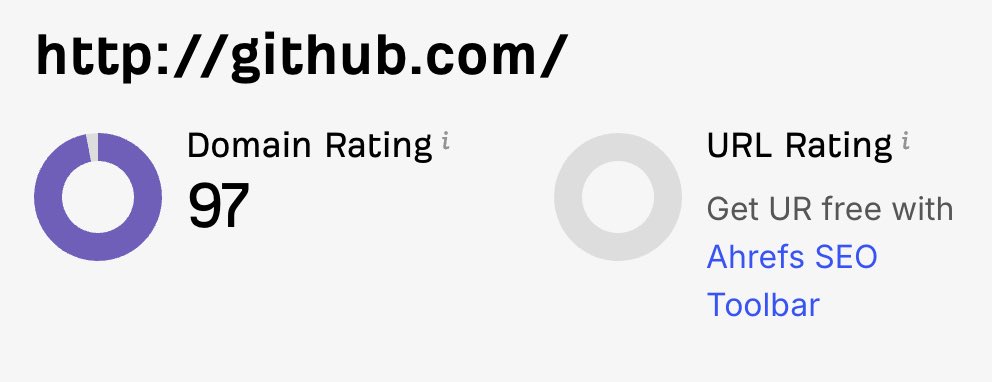
GitHub has a Domain Rating of 90+ and massive authority with Google.

Most people think it's just for developers, but you can use it as a powerful trust signal for any business.

What's the simple setup process for this strategy?

Use GitHub Profile for Free DR 90+ Authority Signal

Here's how to claim this free authority boost:

  1. Find or create a public repository you own on GitHub
  2. Add your website URL in the "Website" field of the repository
  3. Complete your GitHub profile with your real name and photo

That's it. Takes 5 minutes.

Why does this GitHub authority signal actually work?

Google doesn't just count backlinks anymore. They look for entity validation signals across the web. When they see your website consistently linked from high-authority platforms like GitHub, it helps establish legitimacy.

Even though GitHub links are nofollow (they don't pass direct link juice), Google still uses these connections to:

  • Verify your business exists
  • Cross-reference your entity across platforms
  • Build confidence in your domain's authenticity

How do you maximize the SEO signal from your GitHub profile?

Don't just add your link and forget it. Make your GitHub presence look real:

  • Use your actual business name as the repository name
  • Write a proper README explaining what your business does
  • Keep the repository active with occasional updates
  • Link to your main website from multiple relevant repositories if you have them

What other high-authority platforms should you consider for backlinks?

Once you've set up GitHub, apply the same strategy to:

  • LinkedIn company pages
  • Behance profiles
  • Medium author profiles
  • Any platform where you can legitimately add your website

The key is consistency. Google trusts signals that appear across multiple authoritative sources, not just isolated mentions.

What's the reality check on this GitHub SEO strategy?

This won't single-handedly rocket your rankings, but it's free validation that takes minutes to set up. Every trust signal helps, especially for newer websites that need to establish credibility with search engines.

Set it up now while you're thinking about it.

Want the full playbook? Read our guide on Parasite SEO on Web 2.0 Platforms: A 2026 Tactical Guide.

Key Takeaway

GitHub's 90+ Domain Rating makes it perfect for building entity validation signals with Google. Create a public repository, add your website URL in the "Website" field, and complete your profile with real business information. While GitHub links are nofollow, Google uses these high-authority platform connections to verify your business legitimacy and cross-reference your entity across the web. This free setup takes five minutes and helps establish credibility for newer websites that need trust signals with search engines.

Source: @RoxanaLimban on Twitter/X

Full tip page
Beginner Quick Win

Why does Reddit work so well for startup launches?

Reddit's startup communities offer direct access to entrepreneurs, potential customers, and feedback providers.

According to Reddit's annual report, the platform reaches over 430 million monthly active users globally, making it the 10th most visited website worldwide. Unlike other social platforms, Reddit users expect authentic discussions about business challenges and solutions.

Which subreddits have the highest impact for launching startups?

14 Reddit Communities to Launch Your Startup and Find First Users

Large Communities (Great for Reach)

  • r/Entrepreneur (5M members) - General business discussions
  • r/business (2.5M members) - Professional business content
  • r/smallbusiness (2.3M members) - SMB-focused community
  • r/startups (2M members) - Startup-specific discussions

Targeted Communities (Better Engagement)

  • r/SaaS (500K members) - Software product launches
  • r/SideProject (580K members) - Side projects and MVPs
  • r/EntrepreneurRideAlong (641K members) - Journey documentation
  • r/Business_Ideas (402K members) - Concept validation

Niche Communities (Quality Feedback)

  • r/ycombinator (160K members) - YC community
  • r/indiehackers (143K members) - Solo founders
  • r/MicroSaaS (142K members) - Small software businesses
  • r/growmybusiness (78K members) - Growth strategies
  • r/AlphaandBetaUsers (26K members) - Beta testing
  • r/RoastMyStartup (23K members) - Honest feedback

What's the best strategy for launching on Reddit?

Before Posting:

  1. Read each subreddit's rules and posting guidelines
  2. Engage with the community for 1-2 weeks first
  3. Study successful launch posts in each subreddit

Your Launch Post Should Include:

  • Clear problem your startup solves
  • Brief demo or screenshots
  • Specific ask (feedback, beta users, etc.)
  • How you'll use their input

Timing Matters:

  • Post during peak hours (typically Tuesday-Thursday, 9-11 AM EST)
  • Avoid weekend posts in business subreddits
  • Space out posts across communities (don't spam)

How do you maximize your results from Reddit launches?

Respond to every comment within the first few hours. Reddit's algorithm favors active discussions. Ask follow-up questions to keep conversations going.

Track which communities drive the most signups or valuable feedback. Focus your future updates on the most responsive subreddits.

Consider doing AMAs (Ask Me Anything) in relevant communities once you've built some traction.

Want the full playbook? Read our guide on Parasite SEO on Web 2.0 Platforms: A 2026 Tactical Guide.

Key Takeaway

Reddit's startup communities can generate genuine early users because members actively seek new tools and provide detailed feedback. Focus on smaller, niche subreddits like r/MicroSaaS or r/indiehackers rather than massive general communities - you'll face less competition and reach more engaged audiences. Spend 1-2 weeks commenting and helping others before posting your launch. Include specific asks for feedback or beta users, and respond to every comment within hours since Reddit's algorithm rewards active discussions. This approach typically generates 10-50 quality signups per well-executed launch post.

Source: @daniel_dhawan on Twitter/X

Full tip page
Beginner Long-term

Why does Substack's social profile feature actually matter for your brand?

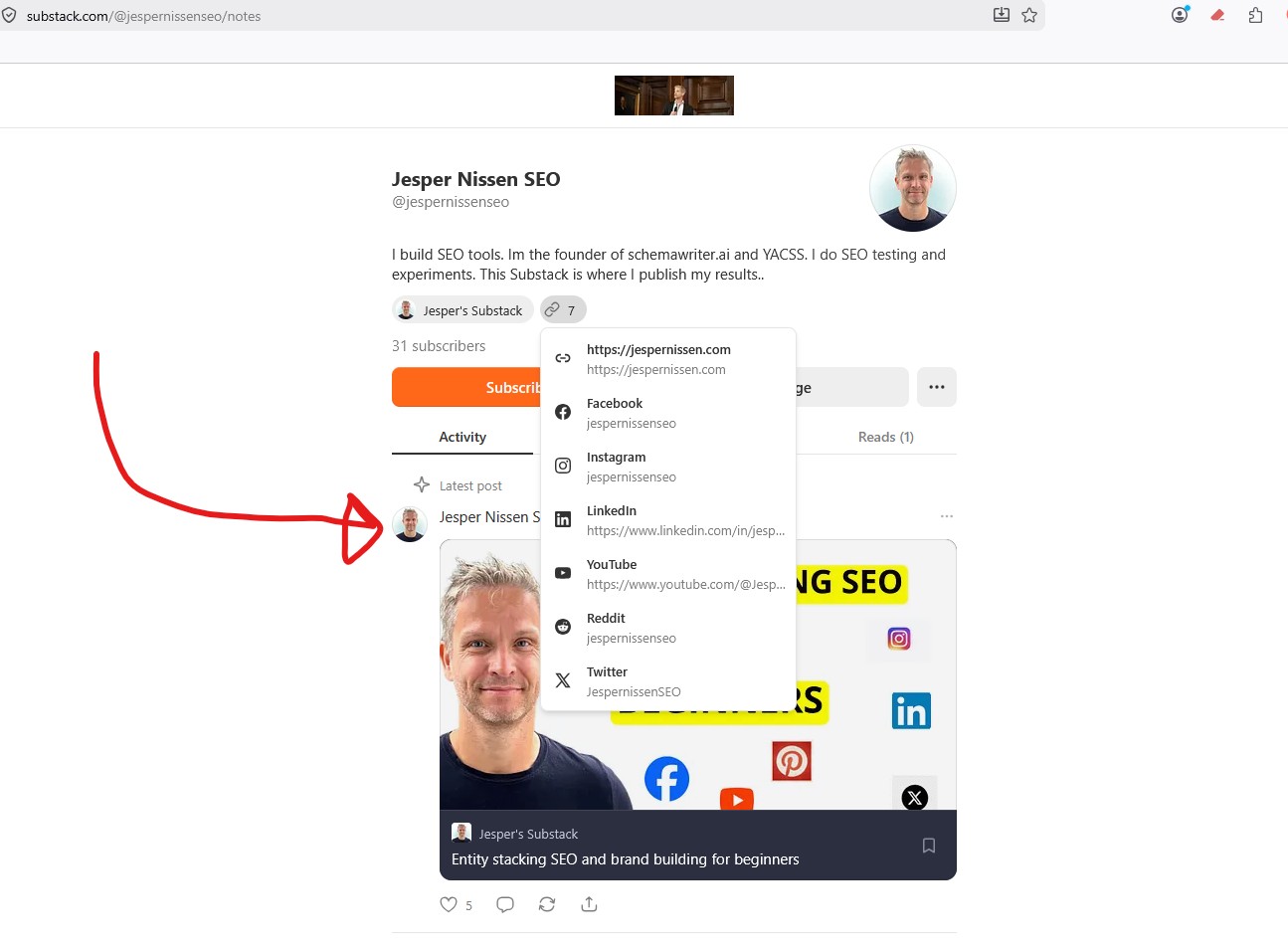
Substack lets you add up to 12 social media profiles and websites to your account. This isn't just for show — it's a powerful way to build interconnected authority across your digital presence.

With Substack's domain rating of 94, those outbound links from your profile carry significant weight.

According to Ahrefs, 90.63% of pages get zero organic search traffic from Google, making authority-building through high-domain platforms like Substack even more valuable. When your newsletter posts start indexing (typically after you've published consistently for a few weeks), these social links become valuable pathways that strengthen your entire brand ecosystem.

How do you set up your social profiles on Substack?

  1. Go to your Substack settings and find the social media section
  2. Add your primary platforms first: LinkedIn, Twitter/X, YouTube, Instagram
  3. Include your website if you have one
  4. Add relevant secondary profiles: TikTok, Facebook, Medium, etc.
  5. Use consistent usernames across platforms when possible

Social profile settings in Substack dashboard

Which social profiles should you strategically select for maximum impact?

Don't just add every social account you have. Focus on:

  • Active profiles where you post regularly
  • Professional platforms relevant to your niche
  • Your main website or portfolio
  • High-engagement accounts where your audience actually follows you

Empty or inactive profiles can hurt more than help.

How do you build an effective authority network through interlinking?

The real power comes from creating a web of connections between high-authority platforms. When Substack links to your LinkedIn, and LinkedIn links back to your Substack, search engines see this as a strong signal that you're a legitimate authority in your space.

This cross-platform linking strategy works especially well for:

  • Personal brands building thought leadership
  • Consultants establishing expertise
  • Content creators growing their reach
  • Small businesses building local authority

What timeline should you expect for seeing authority building results?

Don't expect immediate results. Substack posts typically start indexing after 3-4 weeks of consistent publishing. Once they do, those social profile links begin passing authority to your other platforms.

The compound effect builds over time — each new post creates another node in your authority network.

Want the full playbook? Read our guide on Parasite SEO on Web 2.0 Platforms: A 2026 Tactical Guide.

Key Takeaway

Substack's high domain authority of 94 makes your social profile links incredibly valuable for building cross-platform authority. Add up to 12 active social accounts and websites to your Substack profile, focusing on platforms where you post regularly rather than dormant accounts. Once your newsletter posts begin indexing after 3-4 weeks of consistent publishing, these profile links create a powerful web of connections between high-authority platforms, signaling to search engines that you're a legitimate authority in your niche and boosting your entire digital ecosystem.

Source: @JespernissenSEO on Twitter/X

Full tip page
Intermediate Long-term

What Reddit SEO strategy are most brands completely missing?

Most people obsess over finding the perfect subreddit thread to jump into. They spend hours crafting comments that might get buried or deleted by moderators.

But Reddit has a feature that bypasses all of that: profile pages.

Every Reddit user gets a personal profile page that works like a mini-blog. You can post directly to it without subreddit rules, moderation queues, or community guidelines. These pages are public, Google indexes them, and AI crawlers treat them as legitimate content sources.

Why do profile posts work better than thread comments for SEO?

When you comment in someone else's thread, you're competing for attention in a space you don't control. The post might get removed, the thread might die, or your comment might get buried.

Profile posts are different. You own the space. The content stays put. And here's the key insight: when you have brand-related content spread across multiple Reddit profiles, AI systems start recognizing it as a content cluster.

This isn't about one post on one profile. It's about creating a network of authentic mentions that search engines and LLMs read as genuine brand signals.

How do you solve the account authority problem on Reddit?

Not all Reddit profiles carry equal weight. Fresh accounts with zero karma get ignored. What matters is:

  • Account age — profiles that have been active for months or years
  • Real karma — earned through genuine participation, not quick upvote schemes
  • Diverse post history — accounts that look like real people because they've behaved like real people

AI systems are getting better at spotting manufactured conversations. They weight credible, established accounts much higher than obvious sock puppets.

How do you build an effective Reddit content cluster?

The strategy is straightforward:

  1. Start with existing aged accounts — either your own established profiles or team members who've been active Reddit users
  2. Create valuable profile posts — share insights, case studies, or useful resources related to your industry
  3. Maintain authentic posting patterns — don't suddenly switch to pure brand content on accounts with different histories
  4. Space out brand mentions naturally — mix business content with the topics these profiles normally discuss

The goal isn't to spam Reddit with brand mentions. It's to create legitimate content that happens to mention your brand across multiple credible sources.

Why does this approach work better than thread hijacking?

Most brands try to manufacture conversations in high-engagement threads. But you're fighting for placement in spaces designed for community discussion, not brand promotion.

Profile pages flip this dynamic. You're creating owned content that search engines can discover and rank. When done across multiple established accounts, you're building a cluster of related content that reinforces your brand authority.

This approach takes patience. You can't manufacture account credibility overnight. But for brands willing to play the long game, Reddit profile pages offer a way to build search visibility without fighting subreddit moderators or community backlash.

Want the full playbook? Read our guide on Parasite SEO on Web 2.0 Platforms: A 2026 Tactical Guide.

Key Takeaway

Instead of chasing high-traffic subreddit threads where comments get buried or deleted, create brand content directly on established Reddit profile pages. These personal profiles work like mini-blogs that bypass subreddit rules and stay permanently indexed by Google and AI crawlers. When you distribute valuable, industry-relevant posts across multiple aged accounts with real karma and authentic histories, you build a content cluster that search engines recognize as genuine brand authority signals rather than manufactured mentions.

Source: @pythonhulk on Twitter/X

Full tip page

Putting these off-page seo tips into action

The 16 tips above represent the most validated off-page seo advice in the PocketSEO database — each one sourced from a practitioner who shared their finding publicly with their name attached. But reading tips is not the same as implementing them.

Start with the beginner-level quick wins — these are changes you can ship in under an hour that deliver measurable results within weeks. Once your foundation is solid, work through the intermediate and advanced tips systematically. Every tip links to its original source so you can verify the context and adapt the advice to your specific situation.

For more off-page seo resources, explore our guides, checklists, and the full tip directory below.

More Off-Page SEO Resources

Best Tips by Category

Get the weekly SEO digest

Get 3 actionable SEO tips every week — free.

Join solo founders leveling up their SEO. Unsubscribe anytime.