 PocketSEO
5-Step System to Find SEO Clients Using ListKit and Mini Audits
Reviewed Jul 2026
Key Takeaway
Use ListKit to export 100-200 business listings with contact information, then quickly identify companies ranking poorly for their main keywords by searching "[company name] + [city]" in Google. Run 10-minute SEO audits on prospects who don't appear in the first 3 results, focusing on title tags, page speed, mobile-friendliness, and local presence issues. Send value-first emails highlighting one specific problem you discovered and how it impacts their business, followed by three strategic follow-ups over four weeks. This approach typically generates 2-5% response rates initially because you're demonstrating expertise with real problems before making any sales pitch.
How does this simple client acquisition system work?
Finding SEO clients doesn't require complex funnels or expensive ads. This straightforward approach uses public business directories and quick audits to identify prospects who need your help.
How do you extract prospects from ListKit?
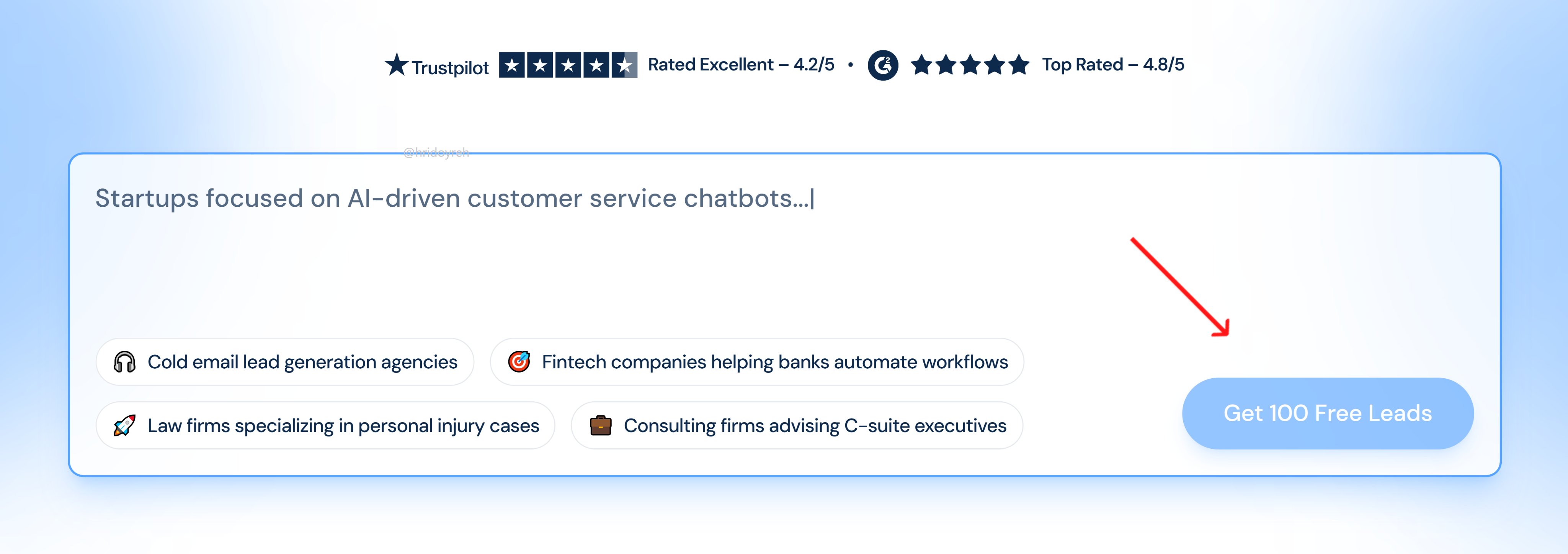
ListKit aggregates business listings across industries. Use their export function to download:
- Company names
- Website URLs
- Contact emails
- Basic company info
Filter by industry, location, or company size based on your ideal client profile. A list of 100-200 prospects works well for manual outreach.
How do you identify poor Google rankings?
Don't waste time on companies that already rank well. Quick screening methods:
- Search "[company name] + [city]" in Google
- Check if they appear in the first 3 results
- Search their main service keywords
- Note companies missing from page 1
Remove well-ranking businesses from your list. Focus on companies with clear visibility gaps.
How do you run 10-minute SEO audits?
For remaining prospects, conduct quick audits covering:
- Title tags: Missing, duplicate, or poorly optimized
- Page speed: Use PageSpeed Insights
- Mobile-friendliness: Test on Google's Mobile-Friendly tool
- Local presence: Check Google Business Profile completeness
- Basic on-page: H1 tags, meta descriptions, image alt text
Document 2-3 specific issues per prospect. This becomes your email ammunition.
How do you craft value-first outreach?
Your email should include:
- One specific problem you found
- Why it hurts their business
- A quick fix they can implement
- Offer for a full audit
Example: "I noticed your homepage loads in 8 seconds on mobile, which likely costs you 40% of potential customers. Compressing your header image alone would cut that to 4 seconds."
How do you follow up consistently?
Most responses come from follow-ups, not initial emails:
- Email 2 (1 week later): Share another quick insight
- Email 3 (1 week after that): Case study or success story
- Email 4 (2 weeks later): Final attempt with urgency
Track open rates and responses. Adjust your messaging based on what generates replies.
Why does this client acquisition method work?
This system succeeds because you're solving real problems before asking for anything. The mini-audit demonstrates expertise while the follow-up sequence builds familiarity.
Expect a 2-5% response rate initially. As you refine your messaging and targeting, this can reach 8-12% for warm prospects.
Start with 50 prospects to test your process, then scale up once you dial in your approach.
Want the full playbook? Read our guide on Parasite SEO on Web 2.0 Platforms: A 2026 Tactical Guide.