 PocketSEO
Image Backlinks: The Underrated Link-Building Play for 2026
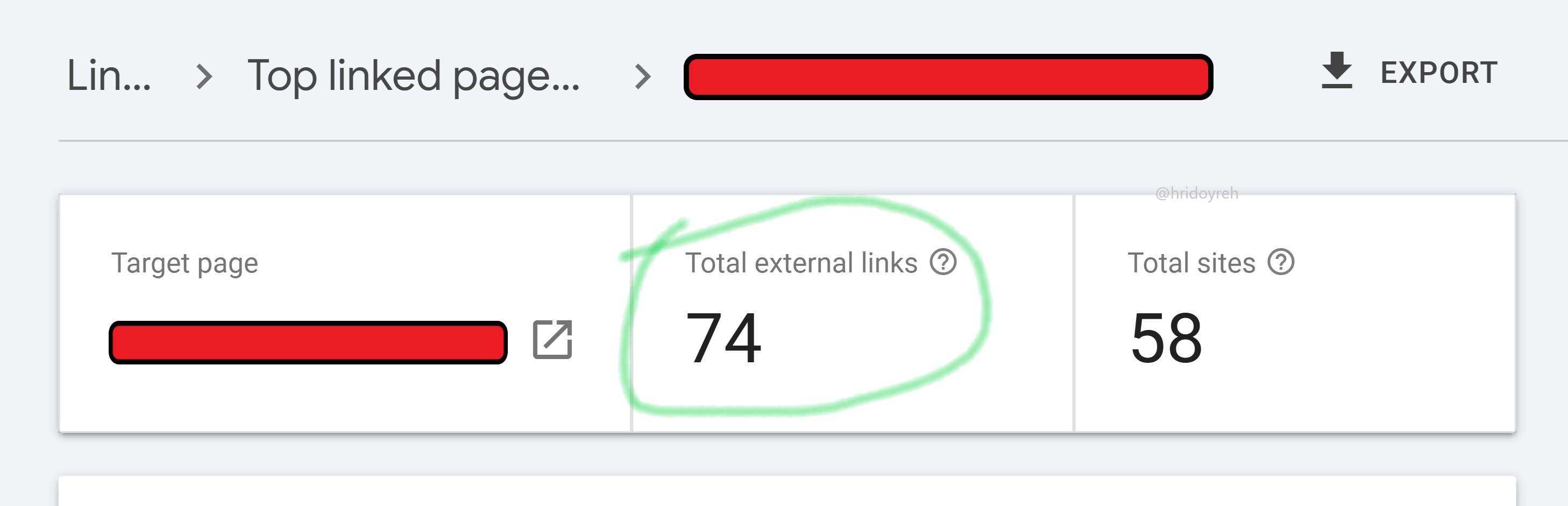
Turn one image into 74+ backlinks and 30,000+ visitors with this proven strategy.
Last updated: July 3, 2026

Hridoy Rehman @hridoyreh on Twitter/X
Jun 2, 2026 · 1mo ago
Updated July 3, 2026
What Are Image Backlinks and Why They Work
Image backlinks are one of the most overlooked link building strategies. When other websites use your images and link back to your site as the source, you get high-quality backlinks that search engines love.
Here's why image backlinks are so powerful:
- Easy to scale: Create once, earn links forever
- Natural link profile: These links look organic to Google
- High relevance: Images get used in related content
- Low competition: Most people ignore this strategy
Step 1: Create Link-Worthy Images
Not all images earn backlinks. You need to create images that other content creators actually want to use.
Best Image Types for Backlinks
Infographics: Statistics, processes, timelines, comparisons Charts and Graphs: Industry data, survey results, trend analysis Original Photography: Product shots, behind-the-scenes, team photos Illustrated Guides: Step-by-step visuals, flowcharts, diagrams Memes and Visual Quotes: Industry-specific humor, motivational quotes
Design Requirements
- High resolution: Minimum 1200px wide for sharing
- Clean, professional design: Use tools like Canva or Figma
- Readable text: Even when scaled down to 50%
- Your brand: Subtle logo or watermark (not too aggressive)
- File optimization: Compress for web but maintain quality
Step 2: Strategic Image Placement
Where you publish your images determines how many backlinks you'll get.
On Your Website
- Create dedicated resource pages: "Marketing Statistics 2024"
- Add images to relevant blog posts
- Build image galleries by topic
- Create downloadable versions for media kits
External Platforms
Pinterest: Create business account, use keyword-rich descriptions Unsplash: Submit high-quality photos with your website credit Flickr: Join relevant groups, use proper tags Industry forums: Share helpful diagrams and charts
Step 3: Image SEO Optimization
Optimize your images so people can find them and want to use them.
Technical Optimization
- File name: marketing-statistics-2024.jpg (not IMG_1234.jpg)
- Alt text: "Marketing budget allocation statistics for 2024"
- Title tag: Descriptive and keyword-rich
- Captions: Context about the image
- Surrounding text: Relevant content around the image
Schema Markup
Add ImageObject schema to help search engines understand your images:
{
  "@type": "ImageObject",
  "url": "https://yoursite.com/image.jpg",
  "description": "Your image description",
  "author": "Your Name"
}
Step 4: Outreach That Works
Don't wait for people to find your images. Proactively reach out to potential users.
Finding Prospects
Google reverse image search: Find sites using similar images Industry newsletters: Look for content that could use your visuals Social media: Search hashtags related to your image topics Content roundups: Sites that regularly curate industry content
Outreach Template
Subject: Free [Industry] Infographic for Your [Article Topic]

Hi [Name],

I saw your recent article about [topic] and thought you might find this helpful.

I created an infographic about [specific topic] that breaks down [key benefit]. It's getting great engagement and might be perfect for your audience.

Feel free to use it in your content - I just ask for a quick attribution link back to the source.

[Link to high-res version]

Let me know if you need it in a different format!

Best,
[Your name]
Follow-Up Strategy
- Wait 5-7 days before first follow-up
- Send maximum 2 follow-ups
- Add value in each message
- Offer different image formats or sizes
Step 5: Monitor and Protect Your Images
Track where your images are being used and ensure you get proper credit.
Monitoring Tools
Google Images: Upload your image and search "Search by image" TinEye: Free reverse image search with alerts Copytrack: Paid service for comprehensive image tracking Brand24: Social listening that includes image mentions
Getting Credit for Unlinked Uses
When someone uses your image without attribution:
- Document the usage: Screenshot with URL and date
- Send friendly request: Most sites will add attribution willingly
- Offer options: Link to original post or image source page
- Be patient: Give 2 weeks for response before escalating
DMCA Protection
For valuable images, consider:
- Copyright registration
- Watermarking (subtle but visible)
- Terms of use on your website
- DMCA takedown notices for commercial misuse
Step 6: Scale Your Image Backlink Strategy
Once you see results, expand your efforts systematically.
Content Calendar Approach
Monthly themes: Focus on specific topics each month Seasonal content: Create images for recurring events Trending topics: Quick-turn images on hot industry news Evergreen resources: Build long-term link assets
Team Building
As you scale:
- Hire freelance designers for increased output
- Create brand guidelines for consistency
- Build image templates for faster production
- Train team on outreach best practices
Advanced Tactics
Image link exchanges: Partner with complementary sites Press kit images: Create media-ready visuals for journalists Tool screenshots: If you have a product, create useful how-to visuals Conference content: Create shareable images from speaking events
Measuring Your Success
Track the right metrics to optimize your image backlink strategy.
Key Metrics
Backlink metrics:
- Total referring domains
- Domain authority of linking sites
- Anchor text variation
- Link placement (content vs sidebar)
Traffic metrics:
- Referral traffic from image backlinks
- Organic traffic growth to image host pages
- Image search traffic
Revenue attribution:
- Conversions from image referral traffic
- Email signups from image landing pages
- Direct sales from visual content
Tools for Tracking
- Ahrefs: Comprehensive backlink analysis
- SEMrush: Track image keyword rankings
- Google Analytics: Set up UTM tracking for image campaigns
- Google Search Console: Monitor image search performance
Common Mistakes to Avoid
Learn from these frequent missteps:
Over-watermarking: Aggressive branding makes images unusable Poor quality: Low-res or poorly designed images won't get shared No attribution request: Don't assume people know to link back Ignoring image SEO: Optimize for discovery in image search Giving up too early: Image backlinks build slowly but compound
Getting Started This Week
Here's your action plan:
Day 1-2: Audit existing images, identify 5 candidates for promotion Day 3-4: Optimize image SEO (file names, alt text, surrounding content) Day 5-6: Research 20 potential outreach targets per image Day 7: Send first batch of outreach emails
Start with your best-performing content and create visual assets around those topics. The key is consistent effort over time - image backlinks compound as more people discover and share your visuals.
Remember: This strategy works because it provides genuine value. Focus on creating images that truly help your target audience, and the backlinks will follow naturally.
FAQ
What types of images earn the most backlinks? Infographics, charts and graphs, original photography, illustrated step-by-step guides, and industry memes or visual quotes earn the most backlinks. These formats work because other content creators actually want to reuse them. For best results, design them at a minimum of 1200px wide, keep text readable even when scaled to 50%, and compress files for web without losing quality.
How do I find websites already using my images? Use a Google reverse image search or upload your image to Google Images and choose "Search by image" to spot sites using similar visuals. TinEye offers free reverse image search with alerts, while paid tools like Copytrack provide comprehensive tracking. Brand24 adds social listening that catches image mentions. Together these tools reveal both linked and unlinked uses you can pursue for attribution.
How do I get a backlink when someone uses my image without credit? First document the usage with a screenshot showing the URL and date. Then send a friendly request, since most sites add attribution willingly once asked. Offer options: link to your original post or the image source page. Be patient and give roughly two weeks for a response before escalating. For valuable images, DMCA takedown notices and copyright registration remain a last resort.
What image SEO steps make my visuals rank and get used? Use a descriptive file name like marketing-statistics-2024.jpg instead of IMG_1234.jpg, and write alt text such as "Marketing budget allocation statistics for 2024." Add a keyword-rich title tag, a caption giving context, and relevant surrounding text. Adding ImageObject schema markup helps search engines understand the image, including its url, description, and author, improving discovery in image search.
How should I follow up on image outreach emails? Wait 5 to 7 days after your first email before following up, and send a maximum of two follow-ups so you never seem pushy. Add value in each message rather than just chasing a reply, for example offering the image in a different format or size. Your initial pitch should share a free high-resolution version and ask only for a quick attribution link back to the source.