 PocketSEO
Relationship-Based Link Building: A System That Scales
Build authentic connections that generate 10+ quality backlinks weekly without cold pitches or sketchy tactics.
Last updated: July 3, 2026

Tibo @tibo_maker on Twitter/X
Jun 4, 2026 · 1mo ago
Updated July 3, 2026
The Problem with Traditional Link Building
Most people approach backlinks completely wrong. They send 100 cold emails begging for links, write generic guest posts for irrelevant sites, or buy cheap links from Fiverr that eventually get penalized by Google.
The stats are sobering:
- Cold email response rates hover around 2%
- Most purchased links get devalued or penalized
- Generic guest posting rarely moves the needle
- Spammy outreach burns bridges in your industry
This approach wastes time and damages your reputation. Smart link builders take a completely different approach.
The 4-Step Relationship-Based Link Building System
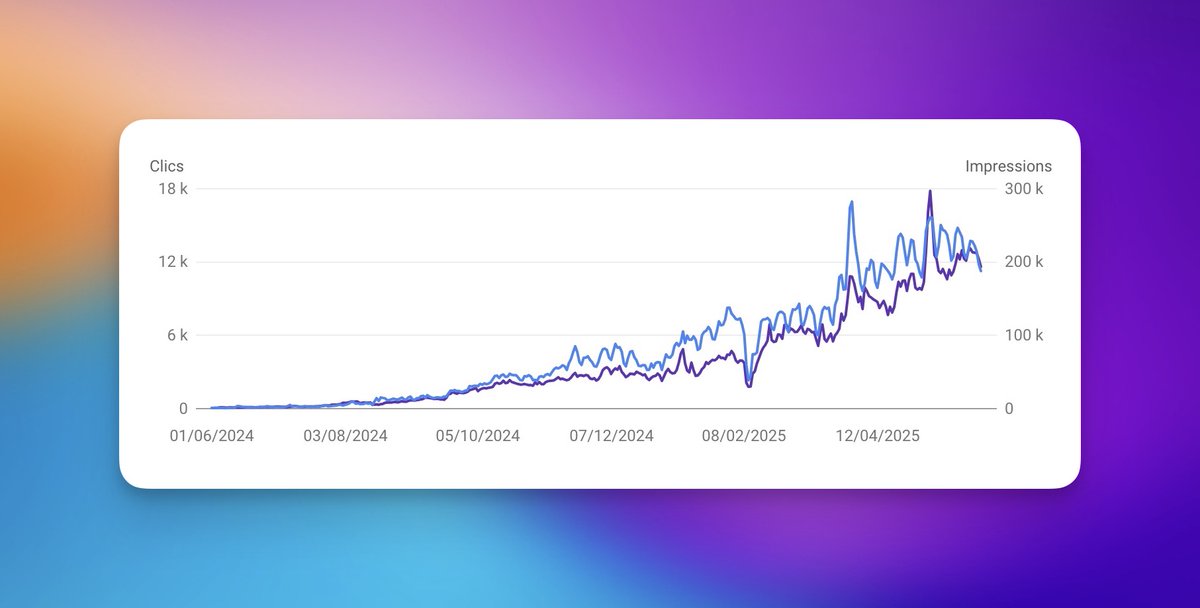
Instead of begging for links, successful link builders focus on creating value and building genuine relationships. Here's the proven 4-step system:
- Create link-worthy content
- Find the right people
- Build relationships first
- Make the ask (the right way)
This system can generate 10+ quality backlinks per week when executed properly.
Step 1: Create Link-Worthy Content
Nobody links to boring content. Your content needs at least one of these three elements:
Original Research or Data
- Industry surveys and reports
- User behavior studies
- Market analysis with statistics
- Performance benchmarks
Unique Insights or Frameworks
- Step-by-step methodologies
- Case studies with specific results
- Tool comparisons with testing data
- Industry predictions backed by data
High Visual Appeal
- Infographics with key statistics
- Charts showing trends or comparisons
- Screenshots of tools or processes
- Custom illustrations explaining concepts
Best Link-Worthy Content Types
Industry Reports: "State of [Industry] 2024" with original survey data Tool Comparisons: Head-to-head testing of popular tools in your niche Case Studies: Detailed breakdowns of successful campaigns with specific numbers Free Tools: Calculators, templates, or utilities that solve real problems Resource Lists: Comprehensive guides to tools, books, or strategies
Pro tip: Numbers always win. Content with specific statistics gets 3x more backlinks than general advice.
Step 2: Find the Right People
Don't spray and pray with mass outreach. Target these specific types of people:
Primary Targets
- Journalists covering your industry who need expert sources
- Bloggers who already link to your competitors
- Content creators in adjacent niches
- People who shared similar content on social media
Finding Link Prospects
Ahrefs Method:
- Enter competitor URLs in Ahrefs
- Go to "Backlinks" report
- Filter for relevant, high-quality sites
- Export contact details
Social Media Research:
- Twitter advanced search for industry discussions
- LinkedIn content creators in your space
- Industry newsletter writers
- Podcast hosts covering your topics
Content Analysis:
- Who shared competitor content?
- Which sites regularly cover industry news?
- What blogs accept guest contributions?
- Which journalists write about your space?
Spend 30 minutes daily on prospect research. Quality beats quantity every time.
Step 3: Build Relationships First
Here's where most people mess up - they immediately ask for links. Instead, invest in relationship building:
The 5-Week Relationship Timeline
Week 1: Follow and engage
- Follow them on Twitter, LinkedIn, Instagram
- Like and comment on their posts
- No asks, just genuine engagement
Week 2: Share their content
- Retweet with thoughtful comments
- Share in relevant Slack communities
- Mention them in your newsletter
Week 3: Add valuable insights
- Comment with additional data or perspectives
- Answer questions in their posts
- Offer helpful resources
Week 4: Personal connection
- Send a brief, friendly DM
- Congratulate them on recent wins
- Still no link requests
Week 5: Make your ask
- Reference your previous interactions
- Offer specific value to their audience
- Make it easy to say yes
Common Relationship Building Mistakes
- Asking for links in the first interaction
- Generic comments like "Great post!"
- Only engaging when you want something
- Not providing value in return
- Being pushy or desperate
Step 4: Make the Ask (The Right Way)
Your outreach email should include:
Essential Elements
- Personal connection you've built over weeks
- Specific value for their audience
- Easy yes/no decision with no pressure
- Clear next steps if they're interested
Proven Outreach Template
Subject: Quick question about [specific topic they covered]

Hi [Name],

I've been following your content on [platform] - especially loved your take on [specific topic from recent post].

I just published a study on [topic] that your readers might find valuable: [link]

[One sentence about specific value for their audience]

Would this be worth mentioning in a future post? No worries if not!

Best,
[Your name]
Follow-Up Strategy
- Wait 1 week before first follow-up
- Send maximum 2 follow-ups
- Each follow-up adds new value
- Accept "no" gracefully
Advanced Link Building Tactics
The Broken Link Method
-
Find broken links using Ahrefs:
- Go to competitor's profile
- Click "Best by links"
- Add "404" filter
- Export results
-
Recreate the content:
- Make it better than the original
- Update outdated information
- Add visual elements
-
Reach out to referring sites:
- Mention the broken link
- Offer your content as replacement
- Success rate: 15-20%
The Skyscraper Technique 2.0
- Find popular content in your niche
- Make it 10x better:
- Add original research
- Include more examples
- Better design and visuals
- Reach out to everyone who linked to original
- Show specific improvements you made
Resource Page Outreach
- Search for: "[topic] + resources" or "[topic] + links"
- Find pages that list tools/resources in your niche
- Reach out suggesting your content for inclusion
- Higher success rate than general outreach
Measuring and Tracking Results
Key Metrics to Track
- Response rate (aim for 10-15%)
- Link acquisition rate (aim for 5-8%)
- Domain authority of linking sites
- Traffic from referral links
- Rankings improvement for target keywords
Tools for Tracking
- Ahrefs: Monitor new backlinks and lost links
- Google Search Console: Track referral traffic
- Spreadsheets: Log outreach efforts and responses
- CRM tools: Manage relationship building activities
Success Benchmarks
- 10+ quality backlinks per month
- Average domain authority of 30+ for new links
- 15%+ response rate to outreach emails
- 5%+ link acquisition rate
Common Mistakes and How to Avoid Them
Mistake 1: Focusing on Quantity Over Quality
Problem: Sending 100 generic emails Solution: Send 10 highly personalized emails
Mistake 2: Asking for Links Too Early
Problem: No relationship building Solution: Engage for 3-4 weeks before asking
Mistake 3: Generic Outreach Templates
Problem: Copy-paste emails that get ignored Solution: Reference specific content and interactions
Mistake 4: Not Following Up
Problem: Single email gets buried Solution: 2 strategic follow-ups with added value
Mistake 5: Targeting Irrelevant Sites
Problem: Links from unrelated industries Solution: Focus on industry-relevant, high-authority sites
Time Investment and ROI
This relationship-based approach requires significant time investment:
- Finding prospects: 10 hours/month
- Building relationships: 20 hours/month
- Outreach and follow-ups: 10+ hours/month
- Total: 40+ hours/month
At $20/hour, that's $800+ of your time for potentially 10-15 backlinks.
Alternative: Automation Tools
Several tools can help automate parts of this process:
- Outreach platforms: BuzzStream, Pitchbox
- Relationship tracking: Airtable, Notion
- Content matching: Various SaaS tools
- Email automation: Mailshake, Lemlist
While automation can save time, the relationship building aspect still requires personal attention for best results.
Action Plan for Your First Month
Week 1: Content Audit
- Review your existing content
- Identify pieces worth promoting
- Create 1-2 new link-worthy pieces
Week 2: Prospect Research
- Use Ahrefs to find competitor backlinks
- Research 50 potential targets
- Create tracking spreadsheet
Week 3: Relationship Building
- Start following targets on social media
- Begin engaging with their content
- Set up Google Alerts for their names
Week 4: First Outreach Wave
- Send 10 highly personalized emails
- Reference previous interactions
- Include specific value propositions
The relationship-based approach to link building takes patience but delivers sustainable results. Focus on providing genuine value, building real connections, and the backlinks will follow naturally.
FAQ
How long does relationship-based link building take before I can ask for a link? Plan for about five weeks per prospect before making an ask. The timeline moves through following and genuine engagement in Week 1, sharing their content in Week 2, adding valuable insights in Week 3, a personal connection via DM in Week 4, and finally your link request in Week 5, referencing every prior interaction.
Why is relationship-based link building better than cold email outreach? Cold email response rates hover around just 2%, and purchased or spammy links get devalued, penalized, and burn industry bridges. The relationship-based system instead builds genuine connections first, then makes personalized asks. It targets a 10-15% response rate and a 5-8% link acquisition rate, generating 10 or more quality backlinks per month sustainably.
What are the four steps of the relationship-based link building system? The system has four steps: create link-worthy content, find the right people, build relationships first, then make the ask the right way. Link-worthy content needs original research, unique frameworks, or high visual appeal. You target journalists, bloggers, and content creators, engage for weeks, then send a personalized, low-pressure email referencing your prior interactions.
How do I find good link prospects for outreach? Use the Ahrefs method: enter competitor URLs, open the Backlinks report, filter for relevant high-quality sites, and export contacts. Supplement with Twitter and LinkedIn research to find industry creators, newsletter writers, and podcast hosts. Target journalists, bloggers who link to competitors, and people who shared similar content. Spend 30 minutes daily on prospect research.
How much time and money does relationship-based link building cost? Expect roughly 40 hours per month: 10 hours finding prospects, 20 hours building relationships, and 10 or more hours on outreach and follow-ups. At $20 per hour, that is $800 or more of your time for potentially 10-15 backlinks. Automation tools like BuzzStream, Pitchbox, Mailshake, and Lemlist help, though relationships still need personal attention.