 PocketSEO
Find High-Volume Keywords for Free Using Termsuggest and SearchVolume.io

Natia Kurdadze - SEO @seonatia
Key Takeaway
Startups can do effective keyword research for free by combining Termsuggest and SearchVolume.io. Type a broad seed keyword into Termsuggest to get autocomplete-based suggestions, then paste them into SearchVolume.io to check monthly search volume without needing a paid account. Filter for high-volume, relevant terms and optimize your landing pages accordingly. This workflow takes under an hour and builds a solid keyword foundation before you invest in any paid SEO tool.
What is the fastest free keyword research workflow for startups?
Paid keyword tools eat into tight budgets fast. But you can build a solid keyword list without spending anything, using two free tools most people overlook: Termsuggest and SearchVolume.io.
Here's the exact process:
- Go to Termsuggest.com and type the most generic keyword that describes your business (e.g., "accounting software" or "dog grooming").
- Copy the suggested keywords it returns. These are real search queries pulled from autocomplete data, so they reflect what people actually type.
- Paste the full list into SearchVolume.io, which pulls monthly search volume data directly from Google Keyword Planner — no account required.
- Filter for high-volume terms that are still relevant to what you actually offer. Ignore anything that's too broad or off-topic.
- Match each keyword to a landing page on your site and optimize that page around the term: title tag, H1, body copy, and meta description.
Why does starting with a generic seed keyword work better than guessing?
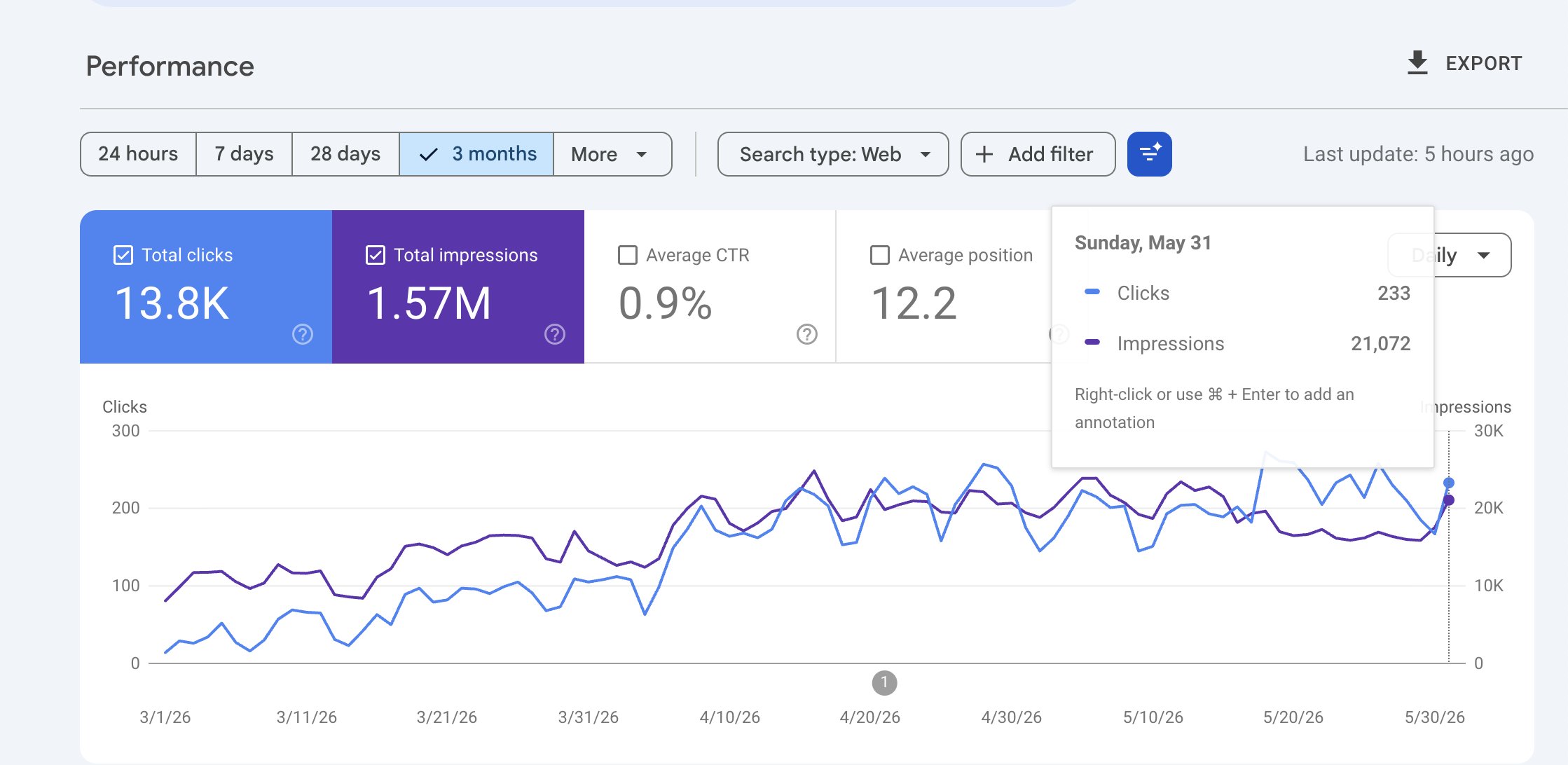
Autocomplete-based tools like Termsuggest surface queries based on real search behavior. When you type a broad term, you get the long-tail variations people are already searching for. This sidesteps the guesswork that kills most DIY keyword research.
According to Ahrefs, over 90% of all search queries get fewer than 10 monthly searches. The goal with this workflow is to skip the noise and surface the mid-volume, high-relevance terms where a small site can actually rank.
How do you decide which keywords are worth targeting?
High volume alone is not enough. Filter your list by asking:
- Does this keyword match what my page actually offers?
- Is the search intent transactional, informational, or navigational? Match it to the right page type.
- Could my site realistically compete for this term given your current domain authority?
For most early-stage startups, targeting keywords with 500 to 5,000 monthly searches and clear commercial intent is more effective than chasing terms with 50,000+ searches dominated by established players.
What should you change on the landing page once you have the keyword?
Optimization does not mean stuffing a keyword in 20 places. Focus on:
- Title tag: Put the primary keyword near the front, keep it under 62 characters.
- H1: Should match or closely reflect the title tag.
- First 100 words: Mention the keyword naturally in the opening paragraph.
- Meta description: Write for click-through, include the keyword, stay under 155 characters.
- URL: If you're creating a new page, include the keyword in the slug.
This workflow takes under an hour and costs nothing. For startups running lean, it's a practical way to build a keyword foundation before committing to a paid tool.
 Get the weekly SEO digest