 PocketSEO
How to Build SEO Before Your Product Launches

Soraia @SoraiaDev
Key Takeaway
You don't need a live product to run SEO. Publishing alternatives pages and problem-focused blog posts before launch lets you rank for high-intent keywords and capture waitlist signups organically. Alternatives pages target users already frustrated with competitors, while blog posts attract people searching for solutions your product will eventually solve. Starting SEO pre-launch means your site has crawl history, backlinks, and real traffic data by the time you ship — instead of starting from scratch on day one.
What is pre-launch SEO?
Most founders treat SEO as something to figure out after launch, once the product is live and the team has bandwidth. But there's no rule saying your site needs a working product to rank and convert.
You can publish pages, target keywords, and collect waitlist signups weeks or months before launch day.
Why does this approach work?
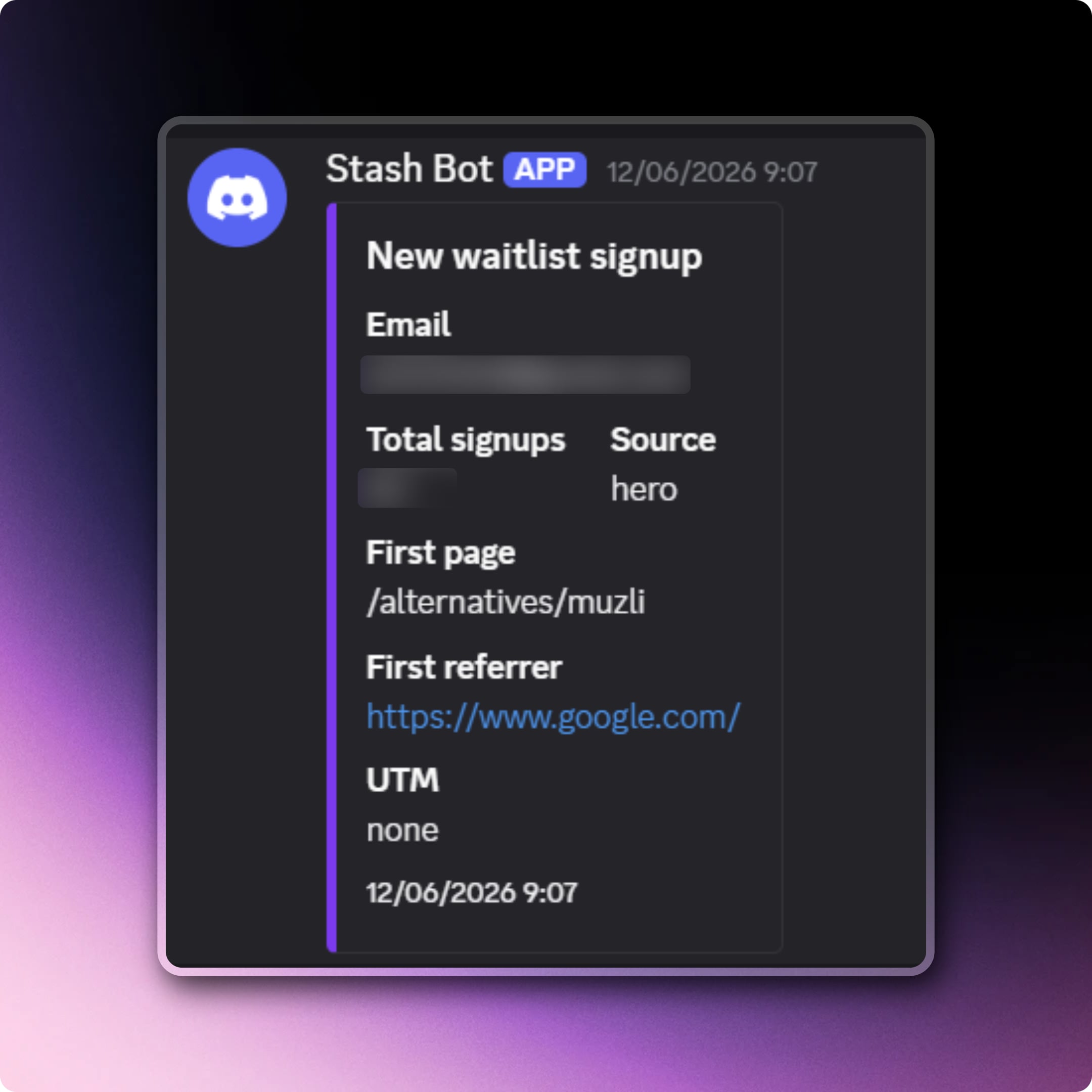
Search engines don't care whether your product is live. They care whether your pages are indexed, answer real search queries, and have enough authority to rank.
If someone searches "[competitor] alternative" or a problem your product solves, a well-structured page targeting that query can rank and send traffic to a waitlist form. The visitor never needs to see a finished product — they just need a reason to sign up.
According to Ahrefs, "best X alternative" and "X vs Y" queries have some of the highest commercial intent of any keyword type. People searching those terms are already in buying mode.
Which pages should you build before launch?
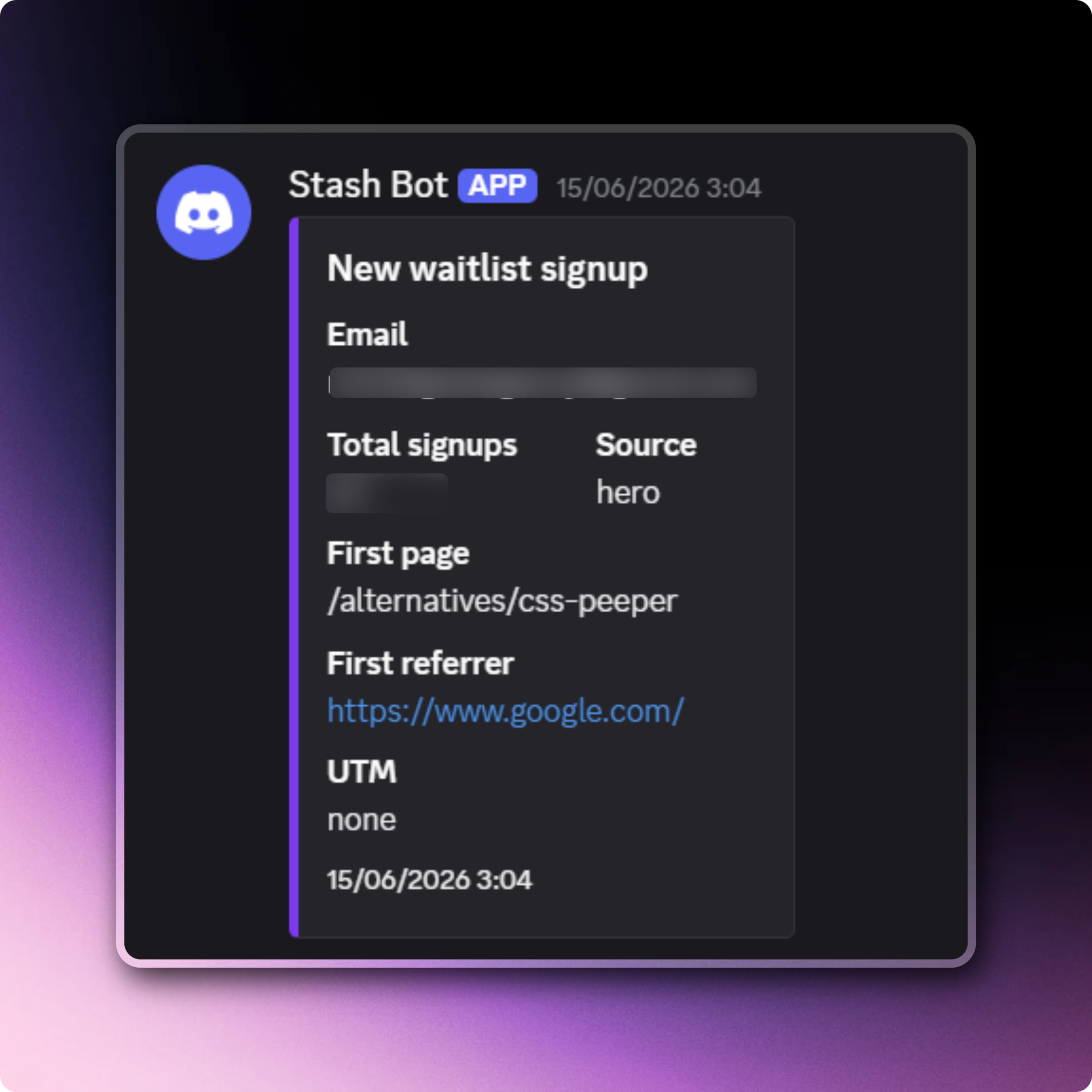
Two page types tend to perform well pre-launch:
Alternatives pages — Target "[competitor name] alternative" keywords. These attract users who are already frustrated with an existing tool and actively looking for something better. They're warm leads.
Blog posts targeting problem-aware keywords — Write about the specific pain your product solves. Someone searching "how to manage X without Y" is exactly the person you want on your waitlist.
Both page types can rank without any product features to describe. You're selling the category, not the feature set.
How do you set this up without a finished product?
Keep the pages honest. You don't need to fake anything:
- Write a genuine overview of the problem space
- Explain what your product will do differently (even in vague terms)
- Add a waitlist signup form — tools like Tally, Typeform, or a simple email capture work fine
- Interlink between your blog posts and alternatives pages to build internal authority
- Submit your sitemap to Google Search Console so pages get crawled fast
You don't need 50 pages. Two or three well-targeted pages, properly indexed, can start generating signups within weeks.
What should you expect from pre-launch SEO?
Don't expect page-one rankings overnight. SEO takes time regardless of launch status. But starting early means your pages have weeks or months of crawl history, backlinks, and engagement data by the time you launch.
When your product goes live, you're not starting from zero — you already have traffic, an indexed site, and a waitlist built from organic search. That head start compounds.
 Get the weekly SEO digest