 PocketSEO
Use LinkedIn to rank for keywords while your site builds authority

Nathan Gotch @nathangotch
Key Takeaway
New websites struggle to rank because Google favors older, authoritative domains. Publishing keyword-targeted long-form articles on LinkedIn gives new brands a way to appear in Google search results immediately, since LinkedIn carries significant domain authority. Each article should target a specific informational keyword, link back to your website, and run 600-1,000 words. Treat it as a temporary ranking bridge while your own domain builds authority over time, then repurpose top-performing content onto your site.
Why does LinkedIn content outrank brand-new websites?
Google trusts LinkedIn. It has massive domain authority, strong crawl frequency, and millions of backlinks. A new website has none of that — yet.
When you publish a keyword-targeted article or post on LinkedIn, it can appear in Google's top results within days. Your own website, if it launched recently, might take months to rank for the same term. According to Ahrefs, the average top-10 ranking page is over two years old. For new brands, that gap is a real problem.
LinkedIn gives you a shortcut.
How do you build a keyword-driven LinkedIn content strategy?
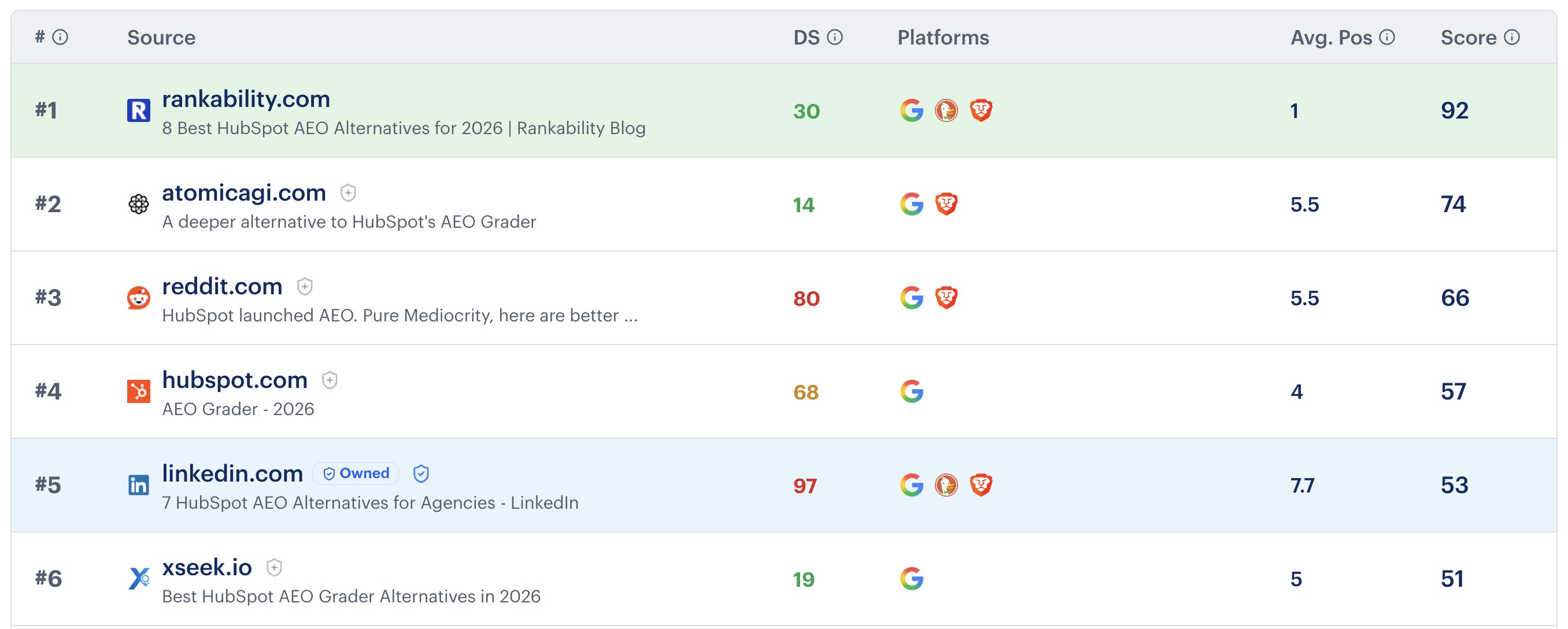
This works best when you treat LinkedIn like a satellite content hub, not just a social feed.
Pick target keywords first. Use Google Search Console, Ahrefs, or even Google's autocomplete to find terms your audience searches. Focus on informational queries — "how to", "what is", "best way to" — where LinkedIn articles tend to show up.
Write full articles, not just posts. LinkedIn's long-form article editor (the "Write an article" option) creates indexable pages at linkedin.com/pulse/. These rank in Google. Short status updates generally do not.
Structure each article for search. Include the target keyword in the article title, the first paragraph, and at least one subheading. Write 600-1,000 words. This is not a place to be vague — cover the topic specifically.
Link back to your website. Every article should include at least one relevant internal link to your site. This drives referral traffic and signals topical relevance to Google as your domain grows.
Publish consistently. One article a week over three months gives you a library of indexed content ranking under LinkedIn's authority while your own site catches up.
What topics work best for this approach?
Keywords where the search intent is informational and the SERP already shows LinkedIn results are the easiest wins. Check this by searching your target keyword on Google and looking at the results — if LinkedIn pages already appear, Google is comfortable ranking them for that topic.
Good candidate topics:
- Industry how-to guides
- Definitions and explainers for niche terms
- Comparison posts ("X vs Y")
- Process breakdowns specific to your field
Avoid transactional queries like "buy X" or "X pricing" — those SERPs favor product pages and review sites, not LinkedIn content.
When should you shift focus back to your own site?
This is a temporary bridge, not a permanent strategy. Once your website has 20-30 pages of indexed content and starts earning backlinks — even a handful — you should be publishing new keyword-targeted content on your own domain first.
Repurpose your top-performing LinkedIn articles onto your blog. Expand them, add more depth, and build internal links. Over time, your site will rank for terms where LinkedIn was your placeholder.
The goal is to be visible in search from day one, even when your domain is too new to compete directly.
 Get the weekly SEO digest