 PocketSEO
How AI Search Citations Work (And How to Earn Them)
The research on AI citations keeps piling up, but the real patterns are hiding in plain sight.
Last updated: July 3, 2026

Ann Smarty @seosmarty on Twitter/X
Jun 21, 2026 · 17d ago
Updated July 3, 2026
What the citation studies keep missing
Every few weeks another study drops claiming to have cracked the code on AI citations. Read enough of them and a pattern emerges: they describe what gets cited without explaining why.
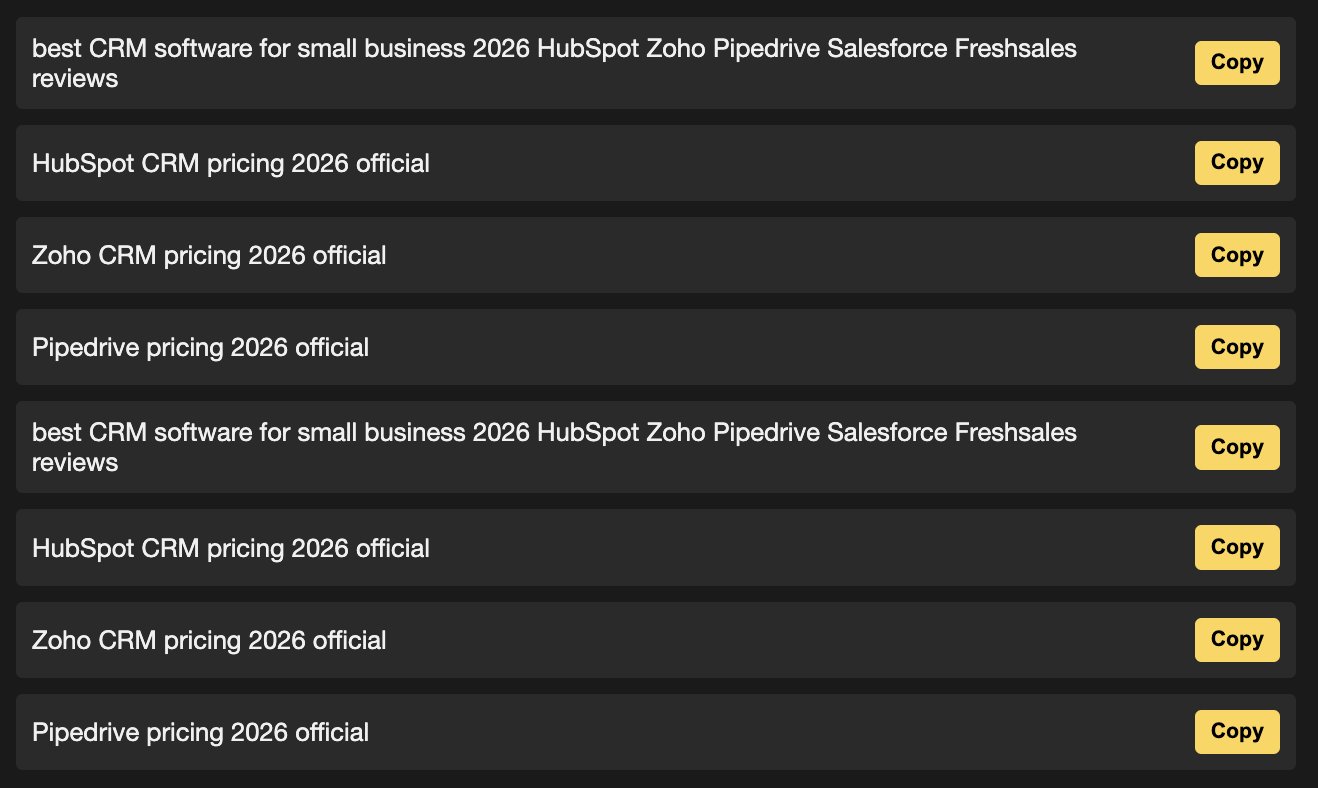
To cut through that, take a simple example. Run the query "best CRM for small business" in ChatGPT with web search enabled. The model fires off a series of fan-out searches:
- best CRM software for small business 2026 HubSpot Zoho Pipedrive Freshsales reviews
- HubSpot CRM pricing 2026 official
- Zoho CRM pricing 2026 official
- Pipedrive pricing 2026 official
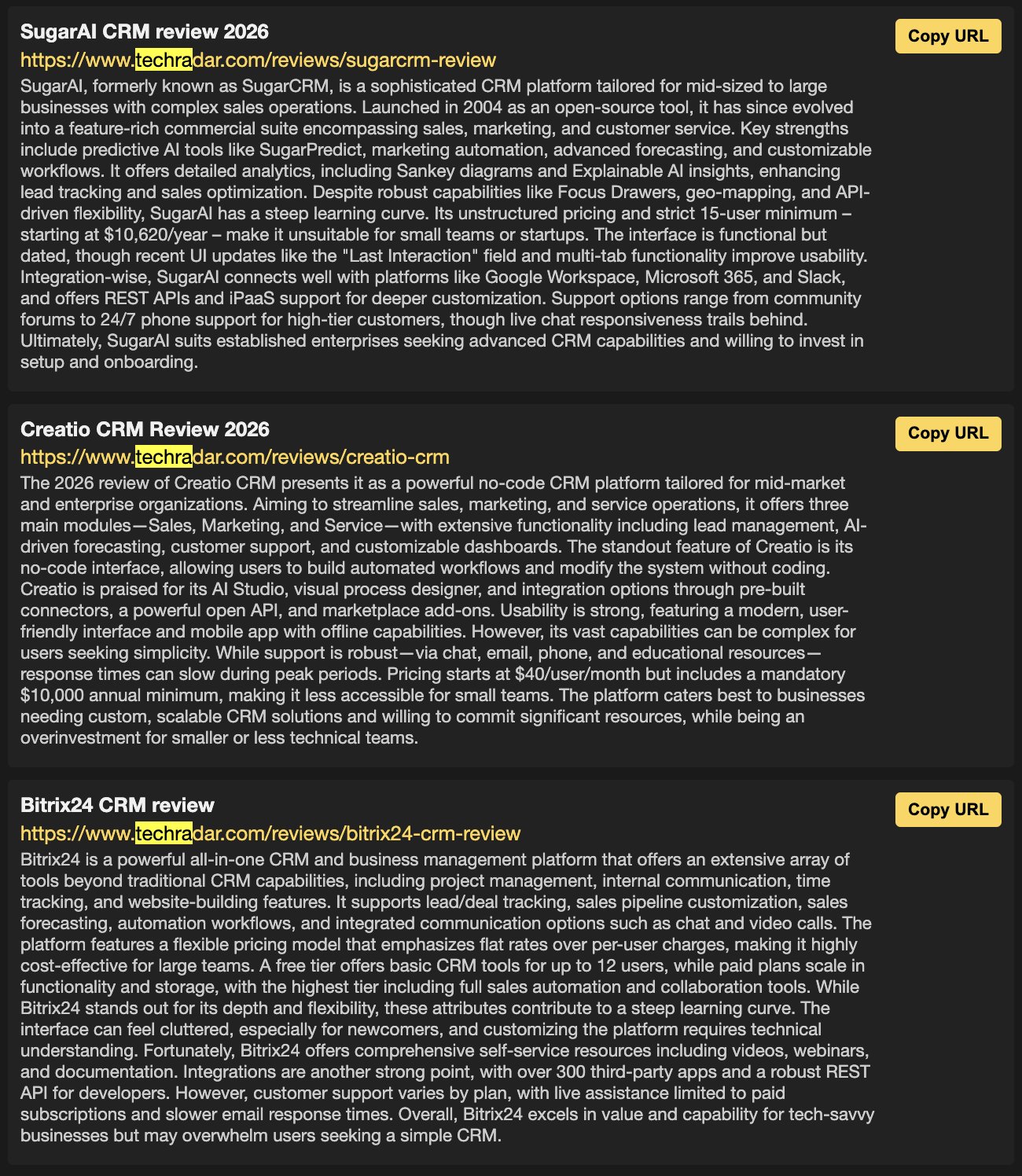
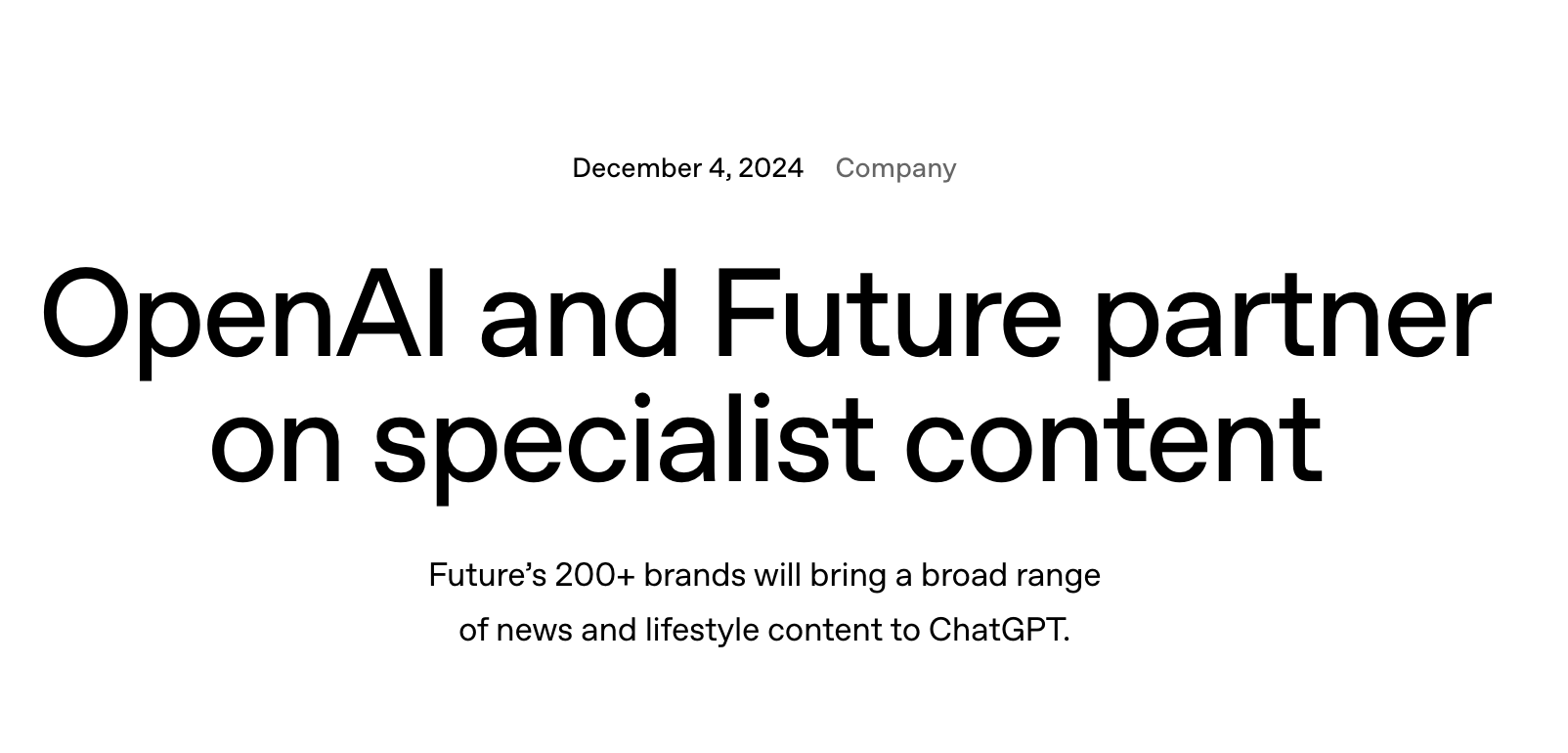
What gets cited? The official product pages for brands ChatGPT already knew before it searched. The top-ranking URLs for the primary fan-out query. And a heap of TechRadar URLs (TechRadar belongs to Future plc, which has a content partnership with OpenAI).
That last point is worth sitting with for a second, but here's the sobering part: those TechRadar citations appeared in the response but apparently didn't change the substance of the answer. The model had already formed its opinion.
According to research from Seer Interactive, AI models tend to confirm prior knowledge rather than discover new information during web search. The search step is closer to fact-checking than genuine exploration.
The fan-out structure determines everything
When a user asks an AI a question, the model doesn't run one search. It runs several, each targeting a different angle of the original question. These are fan-out queries.
For a competitive "best X for Y" query, the fan-outs typically follow this pattern:
- A broad comparison query ("best CRM software for small business 2026 reviews")
- Individual brand queries ("HubSpot CRM pricing 2026 official")
- Sometimes a verification query ("HubSpot vs Zoho comparison 2026")
The model retrieves results for each fan-out, then synthesizes. This means your chance of appearing in the final answer depends heavily on which fan-out you rank for and whether that fan-out influences the synthesis.
Ranking for a brand-specific pricing query (fan-out 2) gets you a citation. But if the model already trusted HubSpot's own pricing page, your citation may appear in the source list without moving the needle on the actual recommendation.
According to a BrightEdge analysis of AI Overviews, pages cited in AI responses had an average organic ranking of 5.4 for that query. You don't have to be #1, but you need to be close.
Why prior model knowledge beats fresh retrieval
This is the uncomfortable part for SEO practitioners. Large language models are trained on enormous datasets before they ever touch a search index. By the time a user asks about HubSpot, the model has absorbed thousands of articles, reviews, and documentation pages about HubSpot.
When that model runs a web search, it's looking for confirmation and up-to-date details (pricing, new features, recent reviews). It's not forming its brand opinion from scratch.
This means:
- Brands with high pre-training visibility start with a structural advantage in AI answers
- A single well-optimized page is unlikely to unseat an established brand from an AI recommendation
- Consistent, wide-reaching content across many domains builds the kind of visibility that actually trains future model versions
According to Rand Fishkin at SparkToro, share of voice across independent third-party sites correlates more strongly with AI citation frequency than any single on-page optimization factor.
For a small business or indie founder, this is a difficult pill. But it also clarifies where to focus.
What actually influences the answer vs. what just gets cited
These two things are not the same, and conflating them causes a lot of wasted effort.
A citation means the model pulled your URL into its source list. An influence means your content shaped what the model said.
From the CRM example above, TechRadar got cited repeatedly. But those citations didn't change the substance of the answer. The model likely used them to confirm pricing figures or feature lists while keeping its core recommendation intact.
Content that influences answers tends to share a few characteristics:
- It appears across multiple independent sources, not just your own site
- It addresses the specific sub-questions the fan-out queries target
- It's indexed well enough that the model has seen it during training, not just at retrieval time
- It contains specific, verifiable claims (prices, percentages, named features) rather than vague superlatives
Content that gets cited but doesn't influence tends to be:
- High-authority domains brought in for credibility signaling
- Pages that confirm minor details (a pricing figure, a release date)
- Content that matches keyword patterns without matching the underlying intent
How to build content that has a shot at influencing AI answers
Given the above, here's where to put your energy.
Target the fan-out queries, not just the head term. If you're trying to appear for "best project management tool for freelancers," map the likely fan-outs. Create dedicated pages or sections that answer the specific comparison and pricing questions those fan-outs trigger. A single giant comparison article is less effective than a tightly focused pricing page, a focused alternatives page, and a focused reviews page.
Get mentioned on third-party sites. Because pre-training data matters, mentions on independent review sites, newsletters, podcasts (with transcripts), and industry publications contribute to the broader data landscape that trains future model versions. This isn't a quick win, but it's the right long-term play. Digital PR and genuine product reviews from real users matter more than guest posts on low-traffic blogs.
Use specific, citable facts. AI models prefer concrete claims. "Converts 23% faster" is more likely to surface in a synthesis than "converts quickly." Add data points, case studies with numbers, and named outcomes. These act as anchors that models can lift directly into responses.
Update pricing and feature pages frequently. One consistent pattern in AI citations is that official, up-to-date product pages get pulled in for verification fan-outs. If you're a software company, a clean, crawlable pricing page with current information is a high-leverage asset. Date it. Keep it current.
Build entity clarity. Make sure your brand name, product name, and category associations are consistent across your site, your social profiles, your press mentions, and any structured data you publish. Models build entity associations, and muddled signals produce muddled or absent recommendations.
What to stop doing
Some tactics that circulate in AI SEO discussions don't hold up under scrutiny.
Chasing citation volume without checking influence is one. Getting 40 citations in an AI response that doesn't recommend you is worse than useless; it gives a false sense of progress.
Publishing thin content that matches fan-out query keywords is another. A page titled "HubSpot CRM Pricing 2026" with three sentences and an affiliate link will get crawled, maybe cited, and will not influence anything.
Relying on partnerships between AI companies and publishers to carry your content is not a strategy available to most businesses, and even where it exists (the TechRadar/OpenAI situation), the evidence suggests it affects citation frequency more than it affects answer quality.
Finally, treating AI citations as a replacement for organic rankings is premature. Ahrefs data consistently shows that pages with strong organic visibility are disproportionately represented in AI citations. The same fundamentals that drive search rankings (quality, authority, relevance, freshness) drive AI visibility. The weighting is different, but the inputs overlap significantly.
A practical audit you can run today
Pick your three most important head terms. For each one:
- Run the query in ChatGPT, Claude, or Perplexity with web search enabled.
- Capture the fan-out queries if the tool exposes them (Perplexity shows these; ChatGPT shows search terms in the sidebar).
- Note which URLs got cited and whether those citations appeared to influence the answer.
- Check whether your site appears in any of those citations.
- Search the fan-out queries in Google. Check where your relevant pages rank.
That audit tells you two things: where you're invisible in the AI pipeline, and whether the fan-out queries you're missing have realistic ranking opportunities.
Then prioritize by influence potential, not citation potential. A page that could move you from not-recommended to recommended is worth ten pages that might get you a footnote citation.
FAQ
What are fan-out queries in AI search? Fan-out queries are the multiple searches an AI model runs from a single user question, each targeting a different angle. For a "best CRM for small business" prompt, ChatGPT fires a broad comparison query, individual brand pricing queries like "HubSpot CRM pricing 2026 official," and sometimes a verification query. The model retrieves results for each fan-out, then synthesizes one answer, so where you rank across those fan-outs determines whether you appear.
What is the difference between getting cited and influencing an AI answer? A citation means the model pulled your URL into its source list; an influence means your content actually shaped what the model said. In the CRM example, TechRadar was cited repeatedly but did not change the substance of the answer, since the model had already formed its opinion. Chasing citation volume without checking influence gives a false sense of progress. Prioritize pages that can move you from not-recommended to recommended.
Why do established brands dominate AI recommendations? Large language models absorb thousands of articles, reviews, and documentation pages about a brand during pre-training, before they ever touch a search index. When the model later runs a web search, it looks for confirmation and up-to-date details rather than forming a brand opinion from scratch. Research from Seer Interactive found models tend to confirm prior knowledge instead of discovering new information, so brands with high pre-training visibility start with a structural advantage.
What organic ranking do you need to get cited in AI answers? You need to rank close to the top for the relevant fan-out query. A BrightEdge analysis of AI Overviews found that pages cited in AI responses had an average organic ranking of 5.4 for that query. You do not have to be number one, but you need to be close. This is why Ahrefs data shows pages with strong organic visibility are disproportionately represented in AI citations; the same fundamentals of quality, authority, and freshness apply.
How can I audit my own AI search visibility? Pick your three most important head terms. For each, run the query in ChatGPT, Claude, or Perplexity with web search enabled, then capture the fan-out queries (Perplexity exposes these; ChatGPT shows search terms in the sidebar). Note which URLs got cited and whether they influenced the answer, check if your site appears, then search those fan-outs in Google to see where your pages rank. Prioritize by influence potential, not citation potential.