 PocketSEO
The Complete Guide to AI-Driven Local SEO Competitor Analysis
How to use AI to reverse-engineer competitor strategies and boost your Google Business Profile rankings
Last updated: May 2026
Introduction: Why Most Local SEO Fails
Most local businesses approach SEO backwards. They start with generic best practices instead of studying what already works in their market. This guide shows you how to use AI tools like Claude to analyze your top competitors, extract winning patterns, and build a data-driven local SEO strategy.
The approach outlined here generated $25k in additional revenue in 30 days by focusing on one simple principle: copy what Google already rewards in your specific market.
Setting Up Your AI-Powered Competitor Analysis
Identifying Your True Competitors
Before you start, identify 3-5 businesses that consistently rank in the top 3 map results for your target keywords. These aren't necessarily your business competitors - they're your SEO competitors.
Search for your main service + city combination and note:
- Business names
- Google Business Profile URLs
- Website URLs
- Current map ranking positions
Preparing Your AI Prompts
The key to effective AI analysis is specificity. Generic prompts produce generic advice. Specific prompts that reference actual competitors produce actionable insights.
Replace these variables in all prompts:
{{MY_WEBSITE_URL}}- Your website URL{{COMP1}},{{COMP2}},{{COMP3}}- Top competitor URLs
Step 1: Business and Competitor Understanding
Start with this foundational prompt to give your AI assistant context about your business and competitive landscape:
Open Chrome, visit my site {{MY_WEBSITE_URL}} and Google business profile and extract my business name, address, services, cities served and key selling points, then open these competitors {{COMP1}}, {{COMP2}}, {{COMP3}} and extract their services, target locations, strengths and trust signals, compare me vs them.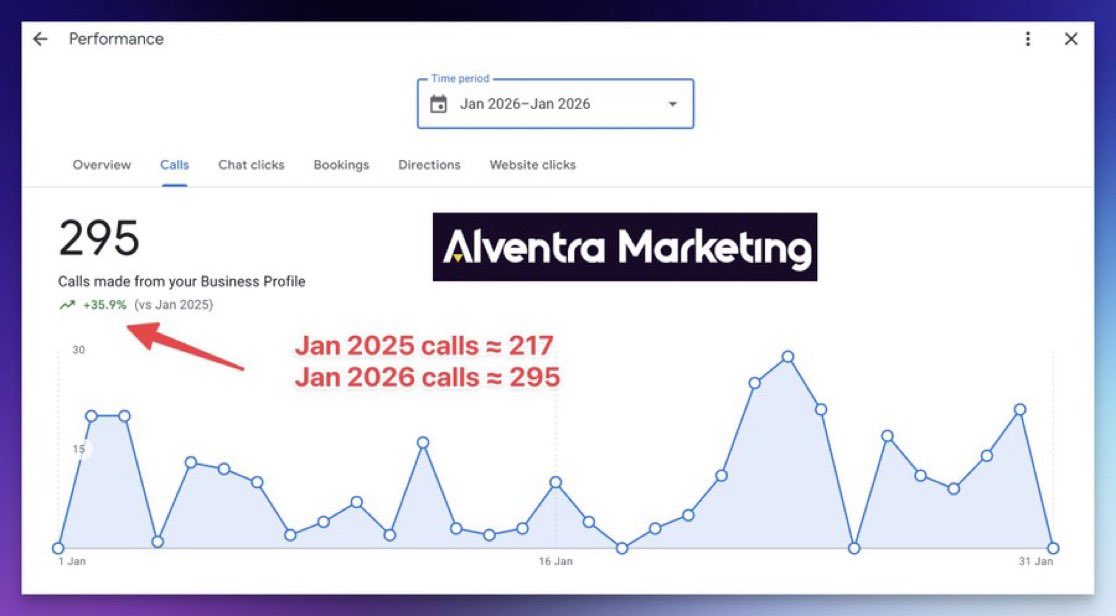
This creates a baseline understanding that informs all subsequent analysis. The AI will identify gaps between your current approach and what successful competitors are doing.
What to look for in the output:
- Service offerings you're missing
- Geographic areas competitors target that you don't
- Trust signals (certifications, awards, testimonials) you lack
- Messaging differences
Step 2: Isolate Ranking Levers
Most SEO advice is generic. This prompt forces the AI to identify specific ranking factors based on actual data:
Based ONLY on the observed top-ranking competitors, list the top 7 ranking levers Google appears to reward for this keyword. Rank them by impact on map rankings (highest to lowest). For each lever, cite which competitors demonstrate it and how. Do not give generic SEO advice or recommendations. Output strictly as a table with columns: Lever, Evidence from competitors, Why it matters for this keyword.Common ranking levers you might discover:
- Specific keyword usage in business names
- Certain primary/secondary category combinations
- Review velocity patterns
- Photo upload frequency
- Geographic proximity advantages
- Website authority signals
Action items:
- Prioritize the top 3 levers for immediate implementation
- Create a timeline for addressing each identified lever
- Document evidence for future reference
Step 3: Google Business Profile Content Strategy
Your GBP posts directly impact visibility. This prompt analyzes what successful competitors post:
Open Chrome and review the Google Business Profile posts of these competitors: {{COMP1}}, {{COMP2}}, {{COMP3}}. Analyze their post types, posting frequency, content themes, offers, CTAs, media usage, and timing. Identify what patterns correlate with strong map rankings and engagement. Based on this analysis, create a clear, non-generic posting plan for my GBP that specifies post types, frequency, themes, and CTA style. Avoid vague advice. Make the plan directly actionable.Typical patterns to watch for:
- Service-focused posts vs. promotional posts ratio
- Seasonal content timing
- Local event mentions
- Before/after project showcases
- Customer testimonial integration
Implementation checklist:
- Set up a content calendar based on competitor posting frequency
- Create templates for each identified post type
- Establish a photo/video creation workflow
- Track engagement metrics weekly
Step 4: Pattern Recognition Analysis
This step identifies common characteristics without jumping to conclusions:
Using the data already collected from the top 3 competitors, do NOT give suggestions or fixes. Only identify patterns across them: common primary and secondary categories, typical review count ranges, photo upload frequency, and keyword usage patterns in business names and descriptions. Output similarities only. No advice, no conclusions, no next steps.Key patterns to document:
- Category selection consensus
- Review count thresholds
- Photo volume standards
- Business name formatting
- Description keyword density
Step 5: Outlier and Signal Dominance Analysis
Some businesses rank well despite breaking conventional rules. This analysis identifies what matters most:
Using the same competitor dataset, identify clear outliers without giving recommendations: which businesses rank high with fewer reviews, which rank despite weak branding, and which ranking factors appear most dominant for this keyword - proximity, review authority, category relevance, keyword usage, or profile activity/freshness. Output observations only. No advice, no fixes.Questions this answers:
- Can you compete with fewer reviews if you excel elsewhere?
- Is proximity more important than review count in your market?
- Do certain categories carry more weight?
- How fresh does content need to be?
Step 6: Review Strategy Development
Reviews provide keyword signals and trust indicators. This prompt builds a strategic approach:
Open Chrome and analyze the Google Business Profile reviews of these competitors: {{COMP1}}, {{COMP2}}, {{COMP3}}. Identify review volume, velocity, recency, star distribution, reviewer language, and recurring keywords related to services, locations, problems, and outcomes. Note how keywords appear organically in reviews and owner replies. Based on this analysis, create a clear, non-generic review acquisition and response framework that specifies keyword themes to reinforce, review pacing targets, and reply patterns. Avoid vague advice. Make it directly actionable.Review optimization tactics:
- Target specific keywords in review responses
- Maintain consistent review velocity
- Address negative reviews with keyword-rich responses
- Create review request templates that encourage keyword usage
Step 7: Visual Content Strategy
Photos significantly impact local rankings. This final prompt creates a photo strategy:
Open Chrome and analyze the Google Business Profile photos of these competitors: {{COMP1}}, {{COMP2}}, {{COMP3}}. Review photo volume, upload frequency, photo types (job-site, team, exterior, interior, before/after, branded graphics), geo-relevance, and recency. Identify patterns among the highest-ranking profiles. Based on this analysis, create a clear, non-generic photo upload plan for my GBP specifying photo types, weekly upload cadence, and priorities. Avoid vague advice. Make the plan directly actionable.Photo strategy elements:
- Weekly upload schedules
- Photo type ratios (80% work photos, 20% team photos)
- Geographic diversity in project photos
- Seasonal content planning
- Before/after documentation systems
Common Mistakes to Avoid
Over-relying on AI output: AI identifies patterns, but you must execute the work. Don't expect the tool to rank your business automatically.
Ignoring local context: What works in one market might not work in another. Always analyze competitors in your specific geographic area.
Copying blindly: Understand why something works before implementing it. Sometimes correlation isn't causation.
Neglecting execution: The best strategy fails without consistent implementation. Set up systems to maintain your optimization efforts.
Focusing only on high-level metrics: Don't just count reviews and photos. Analyze the quality, timing, and keyword relevance.
Measuring and Iterating Your Results
Key Metrics to Track
- Map ranking positions for target keywords
- Google Business Profile views and actions
- Website traffic from Google My Business
- Phone calls and direction requests
- Review acquisition rate and keyword coverage
Monthly Review Process
- Re-run competitor analysis to identify new patterns
- Assess your progress against identified ranking levers
- Adjust content and photo strategies based on performance
- Update review response templates with new keyword targets
- Document what's working and what isn't
Scaling Your Success
Once you see results in one market, apply the same methodology to:
- Additional service keywords
- New geographic markets
- Seasonal optimization opportunities
- Competitor strategy changes
Conclusion
AI-driven competitor analysis transforms local SEO from guesswork into a systematic process. By studying what Google already rewards in your market, you can allocate resources to tactics with proven impact.
Remember: AI provides the intelligence, but execution drives results. The businesses that win combine smart analysis with consistent implementation of the strategies their successful competitors have already validated.
Start with the first prompt today. Analyze your top three competitors, identify their key ranking factors, and begin implementing the patterns that Google clearly rewards in your market.
 Get the weekly SEO digest