 PocketSEO
SaaS SEO: The Complete Playbook for 2026
Copy the 7 strategies that helped SaaS companies generate millions in organic traffic.
Last updated: July 3, 2026

Jake Ward @jakezward on Twitter/X
Jun 4, 2026 · 1mo ago
Updated July 3, 2026
Introduction: Why SaaS SEO Is Different
SaaS companies face unique SEO challenges. Your product is intangible, your audience is highly specific, and you're competing against established players with massive content budgets. But here's the thing: the best SaaS companies aren't just throwing content at the wall. They're using specific, repeatable strategies that you can copy.
This guide breaks down 7 proven SaaS SEO strategies from companies like Rows, Wrike, Loom, and others who've cracked the code on organic growth.
Strategy 1: Interactive Tools That Solve Real Problems
The Rows Calculator Approach
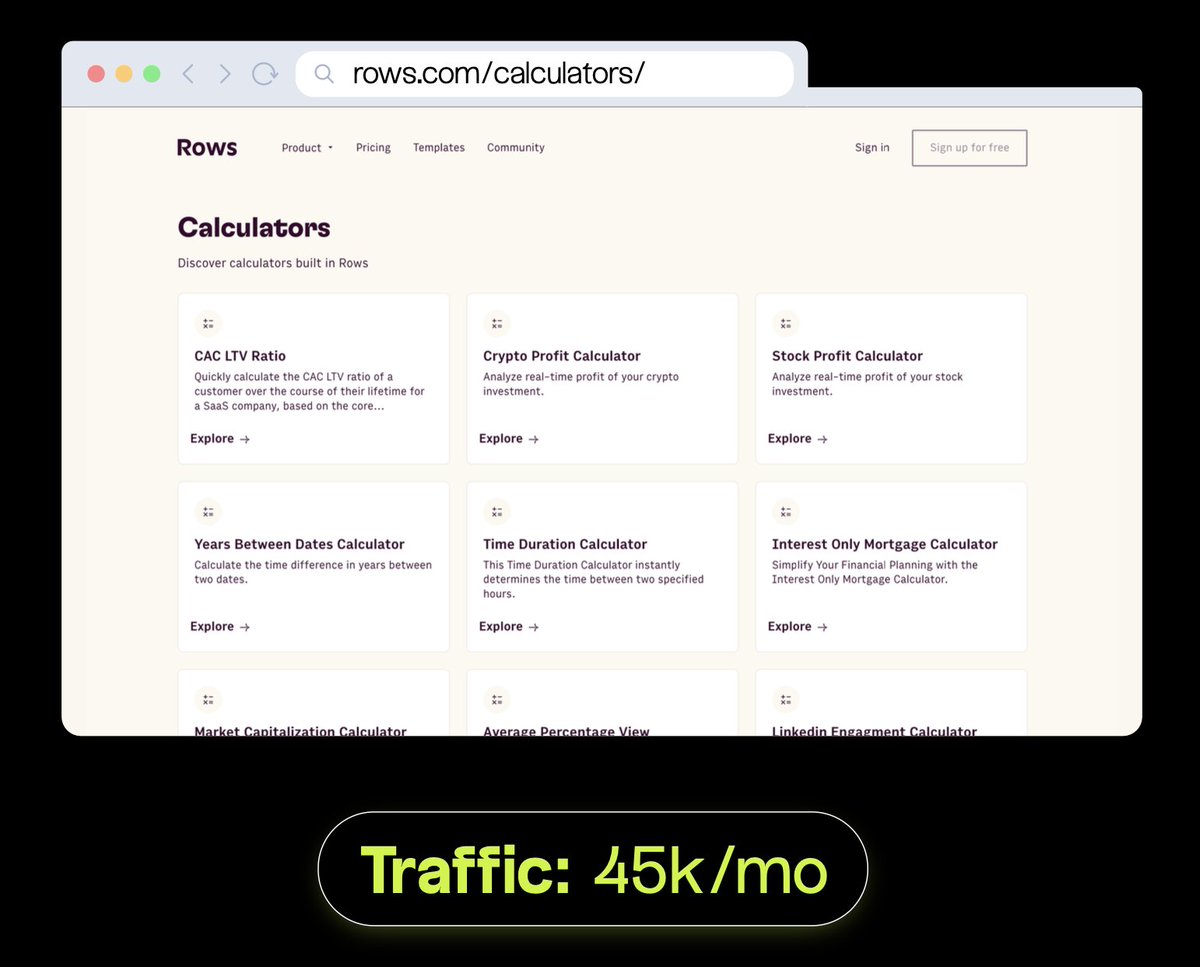
Rows didn't just create blog posts about spreadsheet functionality. They built 50 calculators that solve specific business problems while showcasing their product's power.
Why this works:
- Interactive content gets shared more than static content
- Each calculator targets long-tail keywords with commercial intent
- Users experience your product's value before signing up
How to implement:
- List your product's core functions
- Identify calculation-heavy tasks your audience does manually
- Build simple tools using no-code platforms like Typeform or custom code
- Optimize each tool page for relevant keywords
- Add clear CTAs to your main product
The Loom Testing Tool Example
Loom created a webcam and microphone testing tool that directly relates to their video recording product.

Key insight: The tool solves a problem users have before they need your main product, creating natural entry points.
Strategy 2: Dominate One Topic with Volume
Wrike's Project Management Authority
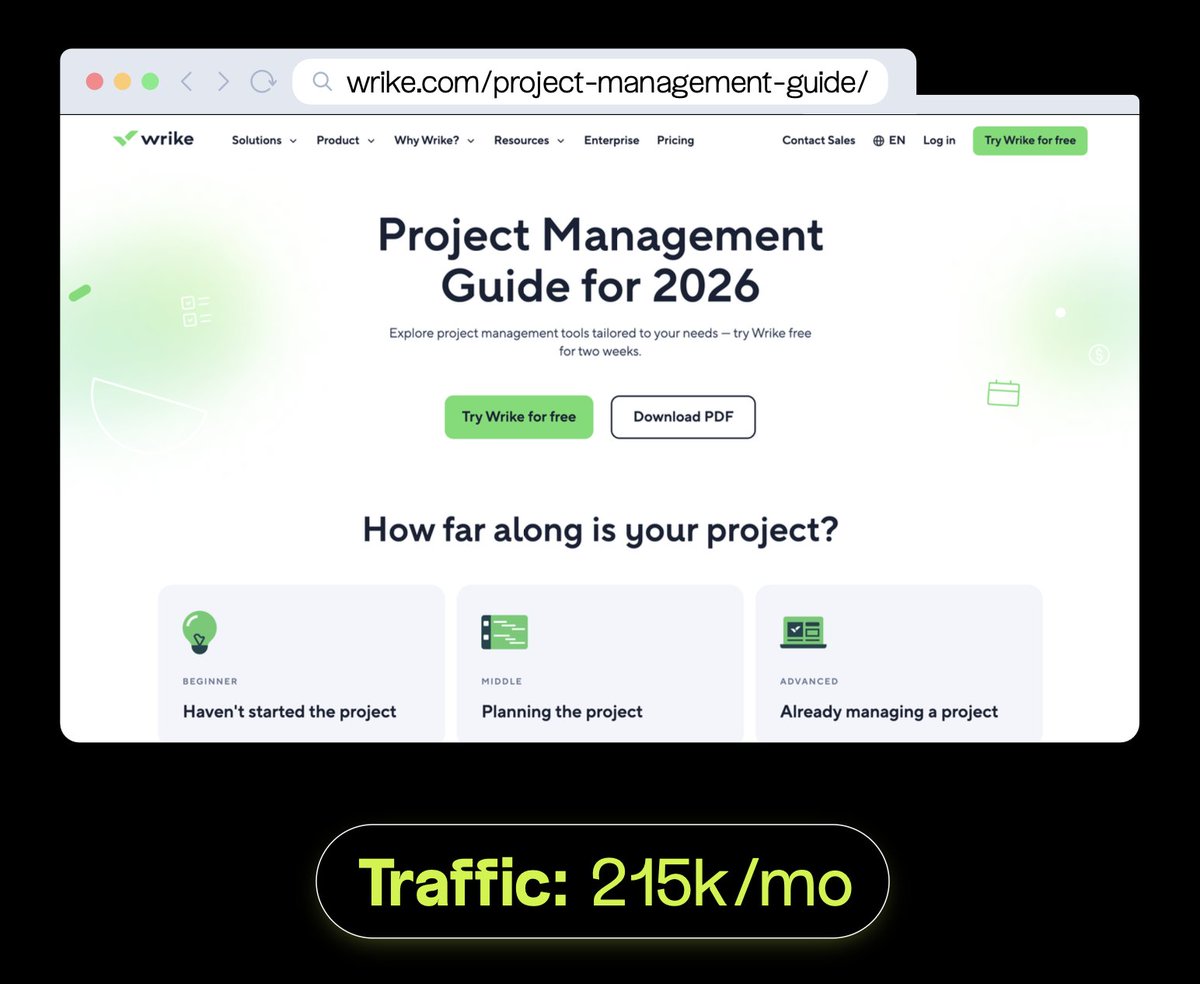
Wrike didn't spread themselves thin across dozens of topics. They created 300 blog posts focused on "project management" and related terms.
The topical authority approach:
- Pick your primary keyword cluster (project management, CRM, etc.)
- Map out every subtopic and question in that space
- Create content systematically, not randomly
- Interlink aggressively between related posts
- Update and expand existing content regularly
Common mistake: Trying to rank for everything. Better to own one topic completely than rank poorly for many.
Strategy 3: Product-Led SEO with Templates
Typeform's Template Strategy
Typeform created 1,300+ templates targeting bottom-funnel keywords. Each template showcases their product while solving user needs.

Why templates work for SaaS:
- They target high-intent keywords ("customer feedback form template")
- Users can immediately use and customize them
- They demonstrate product capabilities without sales pressure
Implementation steps:
- Analyze what your users build with your product
- Create ready-made templates for common use cases
- Optimize each template page for specific keywords
- Make templates easily customizable
- Gate advanced features behind sign-up
Strategy 4: The Pillar-Cluster Content Model
Drift's Content Hub Structure
Drift organized their content using pillar pages (broad topics) with cluster content (specific subtopics) linking back.

Building your pillar-cluster system:
- Create pillar pages for broad, high-volume keywords
- Build cluster content around specific questions and subtopics
- Link clusters to pillars using relevant anchor text
- Add sidebar links to related articles (like Drift does)
- Update pillar pages as you add more cluster content
Pro tip: Use tools like Ahrefs or SEMrush to find question-based keywords around your pillar topics.
Strategy 5: Educational Glossaries for High-Volume Keywords
Mailchimp's Marketing Glossary
Mailchimp created a marketing terms glossary that captures high-volume, informational searches.

Why glossaries work:
- They target "what is" keywords with high search volume
- Easy to create and maintain
- Position your brand as an authority
- Create internal linking opportunities
Building an effective glossary:
- Research industry terms your audience searches for
- Write clear, helpful definitions (not just dictionary copies)
- Link to relevant product features or blog posts
- Include real examples and use cases
- Keep updating with new terms
Strategy 6: Programmatic SEO with Statistics Pages
Exploding Topics' Industry Stats Approach
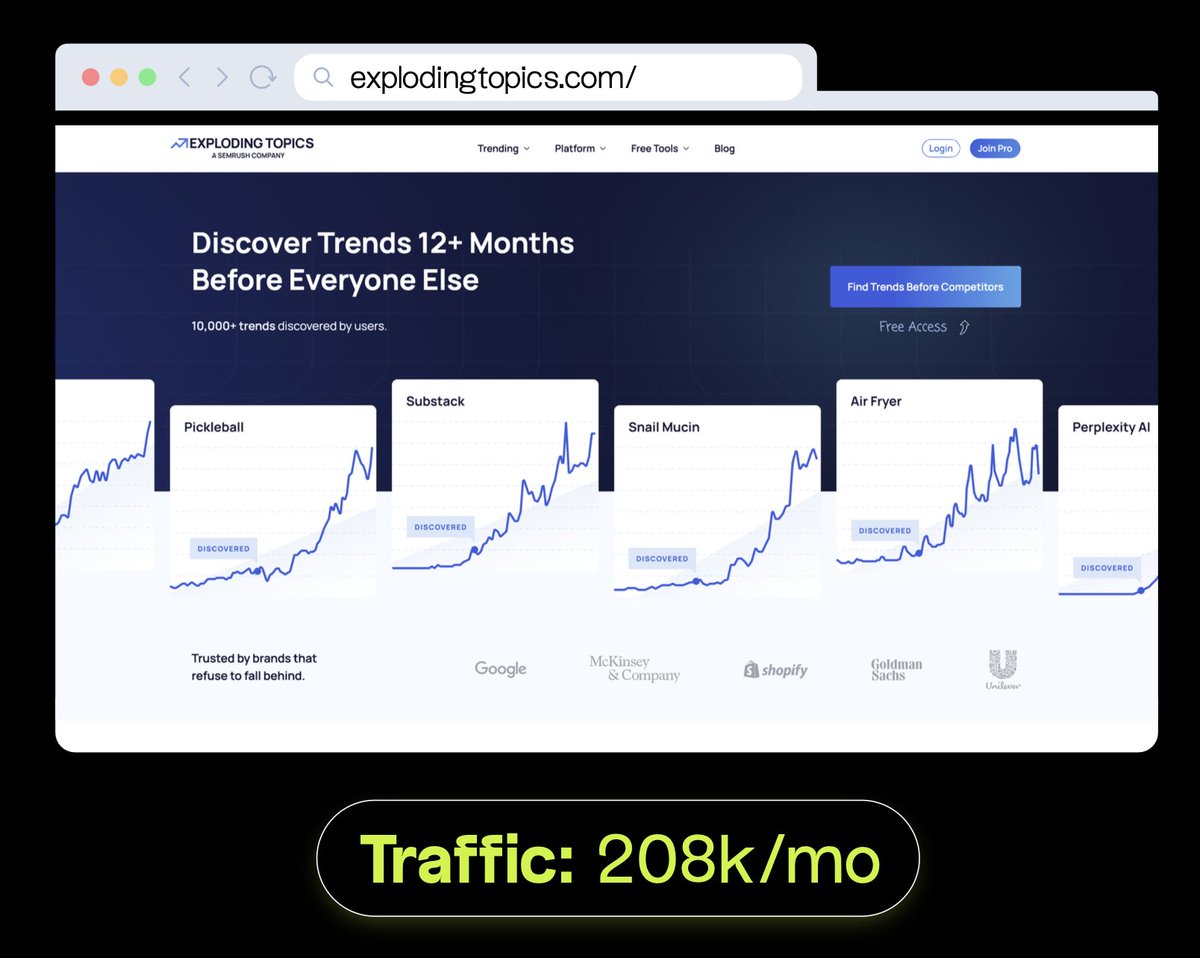
Exploding Topics creates industry-specific statistic pages with visuals that drive massive traffic.
Programmatic SEO basics:
- Find data patterns in your industry (statistics, trends, comparisons)
- Create page templates that can be populated with different data
- Generate multiple pages targeting similar keyword patterns
- Add unique value through analysis, visuals, or insights
- Automate updates when possible
Example keyword patterns:
- "[Industry] statistics 2024"
- "[Tool] vs [competitor] comparison"
- "[Topic] trends in [year]"
Common SaaS SEO Mistakes to Avoid
1. Creating Generic "Best Practices" Content
Don't write the same "10 SEO Tips" post as everyone else. Your audience wants specific, actionable advice for their situation.
2. Ignoring Bottom-Funnel Keywords
Many SaaS companies focus only on top-funnel content. Target keywords like "[your category] pricing," "[competitor] alternative," and "how to [specific task]."
3. Not Connecting Content to Product Value
Every piece of content should somehow relate back to what your product does. Don't create content just for traffic.
4. Underestimating Content Maintenance
SaaS moves fast. Your content needs regular updates to stay relevant and maintain rankings.
Measuring Your SaaS SEO Success
Key Metrics to Track
- Organic traffic growth (overall and to specific pages)
- Keyword rankings for target terms
- Content-to-trial conversion rates
- Organic traffic to customer conversion
- Topic authority (ranking for cluster keywords)
Tools You'll Need
- Ahrefs or SEMrush for keyword research and tracking
- Google Search Console for performance data
- Google Analytics 4 for conversion tracking
- Hotjar or similar for user behavior analysis
Getting Started: Your 90-Day SaaS SEO Plan
Month 1: Foundation
- Audit current content and identify gaps
- Choose your primary topic cluster
- Set up tracking and measurement tools
- Create your first pillar page
Month 2: Content Creation
- Build 8-10 cluster articles around your pillar
- Create your first interactive tool or template
- Start your industry glossary
Month 3: Optimization and Expansion
- Analyze performance and double down on what works
- Build more tools/templates based on user data
- Start internal linking optimization
- Plan your next topic cluster
Conclusion: Building Long-Term SEO Success
The best SaaS SEO strategies aren't about gaming algorithms. They're about creating genuinely useful content and tools that solve real problems for your audience.
Start with one strategy from this guide. Master it. Then expand to others. The companies featured here didn't build their SEO success overnight, but they did build it systematically.
Remember: SEO is a long game. Focus on creating value, and the rankings will follow.
FAQ
Why is SaaS SEO different from regular SEO? SaaS SEO is harder because your product is intangible, your audience is narrowly specific, and you compete against established players with massive content budgets. The winning approach isn't publishing more content randomly. It's using specific, repeatable strategies that tie every page back to product value, like interactive tools, templates, and topical authority clusters proven by companies like Rows, Wrike, and Loom.
What are the best SaaS SEO strategies for organic growth? This playbook covers seven proven strategies: interactive tools that solve real problems (Rows built 50 calculators), dominating one topic with volume (Wrike published 300 project management posts), product-led templates (Typeform made 1,300+), the pillar-cluster content model used by Drift, educational glossaries like Mailchimp's, and programmatic SEO with statistics pages like Exploding Topics. Start with one, master it, then expand.
How do interactive tools help SaaS companies rank and convert? Interactive tools work because they get shared more than static content, target long-tail keywords with commercial intent, and let users experience your product's value before signing up. Rows built 50 calculators solving specific business problems, while Loom created a webcam and microphone testing tool. The key insight: these tools solve a problem users have before they need your main product, creating natural entry points.
What is the pillar-cluster content model for SaaS SEO? The pillar-cluster model organizes content into broad pillar pages targeting high-volume keywords, with specific cluster articles linking back to them, an approach Drift uses. To build it, create pillar pages for broad topics, build clusters around specific questions, link clusters to pillars with relevant anchor text, add sidebar links to related articles, and update pillars as you add more cluster content.
What does a 90-day SaaS SEO plan look like? The 90-day plan runs in three phases. Month 1 is foundation: audit existing content, choose your primary topic cluster, set up tracking tools, and create your first pillar page. Month 2 focuses on creation: build 8-10 cluster articles, launch your first interactive tool or template, and start an industry glossary. Month 3 optimizes: double down on what works, add more tools, and begin internal linking.