 PocketSEO
Product Category Pages That Actually Drive Traffic (Not Just Look Pretty)
Turn your category pages into organic traffic magnets with keyword targeting that converts.
Last updated: July 3, 2026

Keval Shah @SEOKeval on Twitter/X
Jun 3, 2026 · 1mo ago
Updated July 3, 2026
The Complete Guide to Product Category Pages That Skyrocket Organic Traffic
Product category pages are one of the most underused SEO tactics for ecommerce brands. While everyone fights over competitive head terms, smart brands are quietly building category pages around specific, low-competition keywords and watching their organic traffic explode.
This strategy works because it targets buyers who know exactly what they want. Someone searching "electric pressure washers" is much closer to buying than someone searching "cleaning equipment."
Why Product Category Pages Work So Well
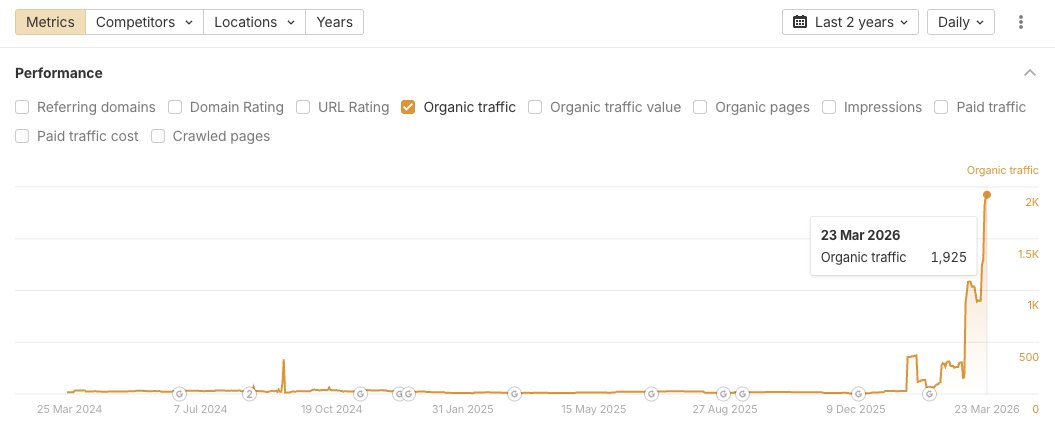
Product category pages hit the SEO sweet spot: they're commercial (Google knows people are shopping), specific (less competition), and scalable (you can create dozens of them).
Here's what makes them effective:
- Commercial intent: These pages target buyers, not researchers
- Lower competition: Specific product modifiers have fewer competing pages
- Fast ranking: Well-optimized category pages can rank in 4-8 weeks
- Cross-selling opportunities: Easy to link between related categories
- Navigation value: Helps users find exactly what they need
Step 1: Find Low-Competition Category Keywords
Start with your main product, then add modifiers that describe different versions, features, or use cases.
Using Keyword Research Tools
Free options:
- Google Keyword Planner
- Ubersuggest (limited free searches)
- Answer the Public
Paid tools:
Look for keywords with:
- Search volume: 100-2,000 monthly searches
- Keyword difficulty: Under 30 (Ahrefs) or 40 (SEMrush)
- Commercial intent (product-focused terms)
Modifier Framework
For any main product, try these modifier types:
Power/Size modifiers:
- 2500 psi pressure washers
- 6 gpm pressure washers
- 4000 psi pressure washers
Type modifiers:
- electric pressure washers
- gas pressure washers
- cordless pressure washers
Use case modifiers:
- car pressure washers
- deck pressure washers
- commercial pressure washers
Feature modifiers:
- portable pressure washers
- lightweight pressure washers
- quiet pressure washers
Competitor Research
Check what category pages your competitors have created:
- Go to their site navigation
- Look at their category structure
- Use site:competitorsite.com "your product" in Google
- Note which category pages rank well
Step 2: Create High-Converting Category Page Content
Your category pages need to satisfy both users and search engines. Here's the proven structure:
Page Structure Template
Above the fold:
- H1 with target keyword
- Brief description (2-3 sentences)
- Product grid/list
- Clear filtering options
Below the fold:
- Detailed category description (200-400 words)
- Key features/benefits
- FAQ section
- Related categories links
Content Elements That Rank
Product descriptions: Include the target keyword naturally in product titles and descriptions.
Unique selling points: What makes your products in this category special?
- "Our electric pressure washers feature brushless motors for 40% longer life"
- "All models include a 2-year warranty and free shipping"
Comparison content: Help users choose between options:
- "2500 PSI vs 3000 PSI: Which pressure washer do you need?"
- Feature comparison tables
FAQ section: Answer common questions:
- "What PSI do I need for my car?"
- "Are electric pressure washers powerful enough?"
- "How much water do gas pressure washers use?"
Step 3: Optimize for Search Engines
Title Tag Formula
[Target Keyword] | [Brand] | Free Shipping
Examples:
- "Electric Pressure Washers | PowerClean | Free Shipping"
- "2500 PSI Pressure Washers | PowerClean | Free Shipping"
Meta Description Template
Shop [target keyword] at [brand]. [Unique selling point]. Free shipping on orders over $[amount]. [Call to action].
Example: "Shop electric pressure washers at PowerClean. Brushless motors, 2-year warranty. Free shipping on orders over $99. Find your perfect model today."
URL Structure
/category/target-keyword/
Examples:
/pressure-washers/electric//pressure-washers/2500-psi//pressure-washers/portable/
Internal Linking Strategy
Link between related category pages:
- Electric pressure washers → Portable pressure washers
- 2500 PSI pressure washers → 3000 PSI pressure washers
- Car pressure washers → Portable pressure washers
Use keyword-rich anchor text:
- "Looking for more power? Check out our 4000 PSI pressure washers"
- "Need something portable? See our lightweight pressure washers"
Step 4: Add Categories to Site Navigation
Don't hide your best category pages. Add the most important ones to your main navigation:
Primary navigation: Include 3-5 top category pages
Mega menu: Show subcategories in dropdown menus
Footer links: Add secondary category pages here
Sidebar navigation: Use on category and product pages
Navigation Best Practices
- Use exact keyword matches in menu text
- Keep menu structure shallow (2-3 clicks max)
- Include breadcrumbs on all category pages
- Use descriptive, not clever, menu labels
Step 5: Technical Optimization
Page Speed
Category pages often load slowly due to product images. Optimize:
- Compress product images (WebP format)
- Use lazy loading for below-fold content
- Minimize plugins and scripts
- Use a CDN for faster image delivery
Mobile Optimization
60%+ of ecommerce traffic is mobile. Ensure:
- Fast mobile page load (under 3 seconds)
- Easy filtering on mobile
- Clear product images
- Simple checkout process
Schema Markup
Add structured data to help Google understand your pages:
- Product schema for individual products
- BreadcrumbList schema for navigation
- Organization schema for your brand
Common Mistakes That Kill Results
Mistake 1: Targeting Too-Competitive Keywords
Don't go after "pressure washers" (50,000+ monthly searches). Target "cordless pressure washers" (1,200 monthly searches) instead.
Mistake 2: Thin Content
A product grid with no additional content won't rank. Add 300+ words of unique, helpful content.
Mistake 3: Duplicate Content
Don't copy product descriptions from manufacturers. Write unique descriptions or add unique content sections.
Mistake 4: Poor Internal Linking
Isolated category pages won't rank well. Link between related categories and from your homepage.
Mistake 5: Ignoring User Intent
Someone searching "best pressure washer" wants reviews. Someone searching "2500 psi pressure washer" wants to buy. Match your content to intent.
Measuring Success and Scaling Up
Key Metrics to Track
Rankings: Track keyword positions weekly
- Use Google Search Console
- Set up rank tracking in Ahrefs/SEMrush
Traffic: Monitor organic traffic growth
- Google Analytics organic traffic reports
- Landing page reports
Conversions: Track sales from category pages
- Ecommerce tracking in Google Analytics
- Revenue per category page
Scaling Your Strategy
Once you prove this works with 5-10 category pages:
- Find more keyword opportunities using your successful patterns
- Create seasonal categories ("winter pressure washers")
- Add location modifiers for local SEO ("pressure washers California")
- Test different content formats (comparison guides, buying guides)
- Expand to related products using the same framework
Timeline Expectations
- Week 1-2: Pages indexed by Google
- Week 3-6: Initial ranking improvements
- Week 8-12: Full ranking potential reached
- Month 3+: Compound traffic growth as you add more pages
The key is consistency. Build 2-3 category pages per month, optimize them properly, and let Google do the rest. This strategy works because it gives users exactly what they're searching for while targeting keywords your competitors ignore.
FAQ
How long does it take for a product category page to rank on Google? Well-optimized category pages can rank in 4-8 weeks. Expect Google to index pages within week 1-2, initial ranking improvements by week 3-6, and full ranking potential around week 8-12. Compound traffic growth kicks in from month 3 onward as you add more pages. Consistency matters most: build 2-3 optimized category pages per month.
What keyword volume and difficulty should I target for category pages? Target keywords with 100-2,000 monthly searches and a keyword difficulty under 30 in Ahrefs or under 40 in SEMrush. Avoid broad head terms like "pressure washers" at 50,000+ searches. Instead, go after specific modifiers like "cordless pressure washers" at roughly 1,200 monthly searches. These specific terms carry commercial intent and face far less competition.
How much content should a product category page have to rank? Add a detailed category description of 200-400 words below the fold, and at least 300+ words of unique content total. A bare product grid with no supporting text won't rank. Include unique selling points, comparison content, an FAQ section, and related category links. Never copy manufacturer descriptions, since duplicate content undermines rankings.
What modifiers should I add to product keywords to find low-competition categories? Add four modifier types to your main product. Power or size modifiers like "2500 psi pressure washers," type modifiers like "electric" or "cordless," use-case modifiers like "car" or "commercial," and feature modifiers like "portable," "lightweight," or "quiet." Each combination targets a specific buyer and opens a new low-competition category page opportunity your competitors often ignore.
How should I structure category page URLs and title tags for SEO? Use a clean URL structure of /category/target-keyword/, for example /pressure-washers/electric/ or /pressure-washers/2500-psi/. For title tags, follow the formula [Target Keyword] | [Brand] | Free Shipping, such as "Electric Pressure Washers | PowerClean | Free Shipping." Pair this with a meta description that names the keyword, a unique selling point, and a clear call to action.